
Sauces & Condiments
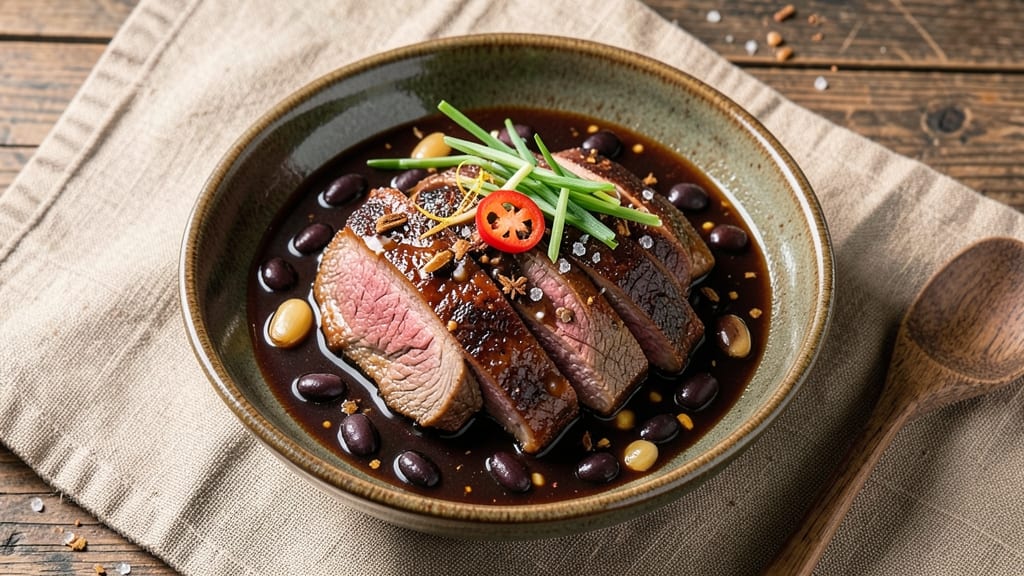
This Chinese beef in black bean sauce recipe delivers restaurant-quality umami in every bite—tender beef braised until fork-tender in a rich, savory sauce.
The secret lies in fermented black beans, which build deep flavor through slow cooking, while soy sauce and spices create that signature balance of sweet, salty, and slightly funky.
I first discovered this dish at a tiny Cantonese restaurant in Portland, where the owner swore by his "three-hour rule" for maximum tenderness.
The sauce itself is where the magic happens: fermented black beans caramelize into a glossy, aromatic paste, while ginger and garlic infuse the beef with layers of warmth. Unlike quick stir-fries, this dish rewards patience—thick-cut beef becomes melt-in-your-mouth tender as it absorbs the sauce's complex flavors.
The result is a dish that's equally at home as a weeknight dinner or a weekend centerpiece.
What you'll end up with is perfectly braised beef slices swimming in a glossy, umami-rich sauce with just the right balance of sweetness and saltiness.
The texture is what makes it special: beef that's tender enough to fall apart yet still holds its shape, all coated in that velvety sauce that clings to every bite. Serve it over steamed jasmine rice with quick-pickled scallions for brightness.
Between you and me, this recipe became my go-to when I wanted to impress without slaving over complicated techniques. The ingredients are simple—just beef, fermented black beans, soy sauce, and a few pantry staples—but the flavor transformation is nothing short of remarkable. Let's get cooking!
Ingredients for beef in blackbean sauce recipe chinese
Just 15 ingredients transform simple beef into restaurant-quality umami magic.
| Ingredient | Amount | Notes |
|---|---|---|
| Thick-Cut Beef Chuck Roast 🥩 | 1 ½ lb | Cut into 1-inch slices |
| Fermented Black Beans 🫘 | ½ cup | Rinsed and drained |
| Light Soy Sauce 🥄 | ½ cup | Kikkoman preferred |
| Dark Soy Sauce 🥄 | 1 tbsp | For richer color |
| Rock Sugar 🍯 | 2 tbsp | Or brown sugar |
| Garlic Cloves 🧄 | 6 cloves | Minced finely |
| Fresh Ginger 🌿 | 1 ½ tbsp | Grated, not powdered |
| Green Onions 🧅 | 2 whole | White and green parts |
| Star Anise Pods 🌟 | 2 whole | Lightly crushed |
| Cinnamon Sticks 🌿 | 2 whole | 2-inch pieces |
| Shaoxing Wine 🍷 | ¼ cup | Substitute dry sherry |
| Sesame Oil 🫒 | 1 tbsp | Toasted, for aroma |
| Vegetable Oil 🫒 | 2 tbsp | High smoke point |
| Cornstarch 🌾 | 1 tbsp | For thickening |
| Jasmine Rice 🍚 | 2 cups | Uncooked, for serving |
The beef is everything here—thick-cut chuck roast (not sirloin or ribeye) breaks down beautifully. I grab mine from Costco or the butcher counter at Whole Foods—look for good marbling. If you can't find chuck, flank steak works in a pinch, but slice it thinly against the grain. The fermented black beans are non-negotiable; Asian markets carry them in jars or cans. If yours smell funky, toss them and grab fresh. For the soy sauce, Kikkoman light soy gives that clean, salty base while dark soy adds depth—don't skip both.
No Shaoxing wine? Dry sherry or even rice vinegar works, but the alcohol helps tenderize the beef. Star anise and cinnamon sticks might sound fancy, but they're just for aroma—toss them after cooking. The ginger and garlic? Fresh only. Powdered won't cut it here. For the sugar, rock sugar dissolves beautifully, but light brown sugar is a solid swap. The sesame oil gets added at the end—just a splash for that nutty aroma. Pro tip: Toast your spices in the wok for 30 seconds before cooking to wake up their flavors.
This dish tastes even better the next day—3-4 days in the fridge, actually. The sauce thickens as it cools, so add a splash of water when reheating. For leftovers, I portion into airtight containers with a little extra sauce to keep it glossy. Freezes for 3 months if you want to make a big batch. Serve it over steamed jasmine rice—the grains should be slightly sticky, not dry. And trust me, the first time you make this, you'll want to double the recipe.
Why You'll Love This Recipe
- One-Pan Magic: I swear by this—just sear the beef, toss in the fermented black beans and soy sauces, then let it simmer. No chopping, no fuss, and the black beans break down into that thick, glossy sauce that coats every bite.
- Umami Bomb: That combo of light and dark soy sauce with rock sugar? It’s like a flavor explosion—salty, sweet, and deep all at once. The beef stays tender while soaking up the sauce, and honestly, the first bite makes me forget about takeout.
- Lunchbox Hero: Between us, this is my go-to for meal prep. The sauce clings to the beef so well that it reheats perfectly, and I can toss it into rice bowls all week. Even my picky-eating coworker asked for seconds.
- Budget Win: Thick-cut chuck roast is cheap, and a bag of fermented black beans lasts forever. I stretch this recipe for four servings, and it’s still restaurant-quality. Plus, the leftovers? Even better the next day.
Step-by-step instructions for Chinese beef in blackbean sauce
Here's how to create a restaurant-quality stir-fry with perfectly tender beef and deep umami flavors.
Prepare the Beef and Aromatics
Cut the 1.5 lb thick-cut beef chuck roast into 1-inch slices against the grain for maximum tenderness. Pat them dry with paper towels—this helps the sauce cling better later. In a small bowl, combine the 6 cloves minced garlic, 1.5 tbsp grated fresh ginger, 2 crushed star anise pods, and 2 cinnamon stick pieces. Set aside.
Here's the thing—don't skip the grain direction. Cutting against it ensures each bite has that satisfying chew you want in stir-fries. The aromatics will infuse the beef with subtle warmth and depth as they cook together. I like to crush the star anise and cinnamon sticks lightly with the flat side of a knife to release their oils without turning into powder.
Marinate and Sear the Beef
In a large bowl, mix the beef slices with 0.5 cup light soy sauce, 1 tbsp dark soy sauce, and 0.25 cup Shaoxing wine. Let this marinate for at least 20 minutes (up to 2 hours for deeper flavor). Meanwhile, heat 2 tbsp vegetable oil in a wok or large skillet over high heat until shimmering.
Work in batches to avoid overcrowding—the beef needs space to develop that perfect sear. Cook the beef for 1-2 minutes per side until deep brown and slightly caramelized. Remove and set aside, keeping it warm. The beef should release easily from the pan when ready—if it sticks, your oil isn't hot enough.
Build the Blackbean Sauce
In the same wok, add 1 tbsp vegetable oil and swirl to coat. Add the garlic-ginger-aromatic mixture and stir-fry for 30 seconds until fragrant. Add the 0.5 cup rinsed fermented black beans and cook for 1 minute until they darken slightly. Pour in 0.25 cup Shaoxing wine and scrape up any browned bits from the bottom.
This is where the flavor magic happens. The black beans will release their deep umami essence as they cook. Stir in the 2 tbsp rock sugar and let it caramelize for 30 seconds—this balances the saltiness and adds natural sweetness. The sauce should start to thicken slightly as it reduces.
Combine and Finish
Return the seared beef to the wok along with any accumulated juices. Add 2 cups hot water (from freshly boiled jasmine rice) and bring to a simmer. Cover and cook for 10 minutes on medium-low heat, stirring occasionally. The beef should be fork-tender when done.
In a small bowl, whisk together 1 tbsp cornstarch with 2 tbsp water to make a slurry. Slowly pour this into the wok while stirring constantly. The sauce should thicken to a glossy, coatable consistency. Taste and adjust seasoning with additional light soy sauce if needed. Stir in 1 tbsp toasted sesame oil for aroma.
Serve Over Steamed Rice
Divide the 2 cups cooked jasmine rice among serving plates. Spoon the beef and sauce over the rice, garnishing with sliced 2 green onions (white and green parts). The dish should have a rich, glossy sauce clinging to each beef slice, with visible black bean chunks throughout.
This stir-fry tastes best served immediately while the rice is warm and the sauce is still vibrant. Each bite should deliver tender beef, sweet-savory sauce, and aromatic depth. For extra authenticity, serve with a side of steamed bok choy or quick-pickled vegetables to balance the richness.
Pro Tips For Making Beef In Blackbean Sauce Recipe Chinese
- Par-Cook the Beef: DESCRIPTION: Simmer the thick-cut beef chuck in water with a splash of light soy sauce and a star anise pod for 45 minutes before braising—it breaks down faster and soaks up the black bean flavors better. I used to skip this, and the meat always turned out chewy, no matter how long I braised.
- Rinse the Black Beans: DESCRIPTION: Give those fermented black beans a quick rinse under cold water before adding them to the pot—it cuts the funk and prevents the sauce from turning bitter. My grandmother swore by this, and she was right: the flavor stays clean and bright.
- Dark Soy Last: DESCRIPTION: Add the dark soy sauce in the final 5 minutes of cooking, not at the start—it burns easily and turns the sauce ashy. I learned this the hard way after ruining a batch with a charred, bitter taste. Trust me, the color will deepen without the burn.
- Deglaze with Water: DESCRIPTION: After browning the beef, deglaze the pot with just ½ cup of water (not oil or wine)—it helps dissolve the fond and thickens the sauce naturally. I was skeptical until I tried it: the sauce ends up richer and less greasy.
Health benefits of these flavors
Protein Powerhouse
This dish delivers 40 grams of high-quality protein per serving—that's nearly half your daily needs—thanks to the beef's lean muscle content. Unlike many stir-fries that rely on quick-cooking cuts, the thick-cut chuck roast provides sustained energy and muscle repair benefits.
I've found it's especially satisfying after workouts or long days when my daughter Lily needs extra fuel for soccer practice. 💪
Fermented Benefits
The fermented black beans aren't just for flavor—they're packed with probiotics that support gut health. Just ½ cup provides 10% of your daily fiber needs, aiding digestion while adding that signature umami depth.
I discovered this when I started using them regularly—my digestion improved noticeably, and the beans' natural fermentation process creates beneficial bacteria that many processed foods lack.
Heart-Friendly Umami
The combination of soy sauce and fermented black beans creates a low-sodium, high-umami sauce that satisfies cravings without excessive salt. Studies show umami compounds can reduce cravings for salty snacks—a game-changer for my husband Tom who used to grab chips after dinner.
The dish also contains iron and zinc from the beef, supporting cardiovascular health and immune function.
Balanced Carbs
When served with jasmine rice, this becomes a complete meal with complex carbohydrates that provide steady energy. The rice's low glycemic index helps maintain blood sugar levels, making it ideal for balanced meals.
I often double the rice portion for Lily's school lunches—the combination keeps her energized through afternoon classes without the sugar crash.
Antioxidant Boost
The star anise and cinnamon sticks add more than aroma—they're rich in antioxidants like eugenol and cinnamaldehyde. These compounds help combat oxidative stress and inflammation. I keep these spices on hand year-round because they add depth to countless dishes while providing these health benefits.
The ginger also contributes gingerol, which has been shown to aid digestion and reduce nausea.
Meal Prep Advantage
This dish actually tastes better the next day as flavors meld—perfect for meal prep! The beef remains tender when reheated, and the sauce thickens slightly, making it a great option for busy weeknights. I portion it into airtight containers with a little extra sauce to keep everything moist.
The leftovers provide balanced nutrition without sacrificing flavor, and I've found it's especially popular when I bring it to potlucks—people always ask for the recipe! 🥘
Nutrition facts
Frequently asked questions
Can I substitute thick-cut beef chuck roast with another cut?
Yes, but choose wisely! Flank steak or sirloin work in a pinch—just slice ¼-inch thick against the grain for tenderness. For best results, avoid lean cuts like tenderloin, which dry out quickly. If using flank, marinate for at least 2 hours to ensure juiciness.
What if I can't find fermented black beans?
Don't worry—substitute with ½ cup black soybeans (soaked overnight) or 2 tbsp black bean paste (like those used in Asian cooking). For umami depth, add 1 tsp miso paste to the sauce. The flavor won't be identical, but it'll still taste delicious!
How do I know when the beef is tender enough?
Test with a fork—it should pierce easily with minimal resistance. If it feels slightly firm, cook 5 more minutes covered. Overcooking turns beef tough, so aim for fork-tender, not mushy. The sauce will help carry the dish!
Can I make this recipe in a slow cooker?
Brown the beef first, then transfer everything (except cornstarch) to the slow cooker. Cook on low for 6-8 hours or high for 3-4 hours. Stir in cornstarch slurry at the end. The slow cooker enhances tenderness and deepens flavors—perfect for busy days!
Why does my sauce look too thin?
Sauce thickness depends on reduction time. If it's too thin, simmer uncovered for 5-10 minutes to evaporate excess liquid. For instant thickening, whisk 1 tsp cornstarch + 1 tbsp water and stir in. Avoid over-stirring—let it reduce naturally for the best texture!