
Soups & Stews
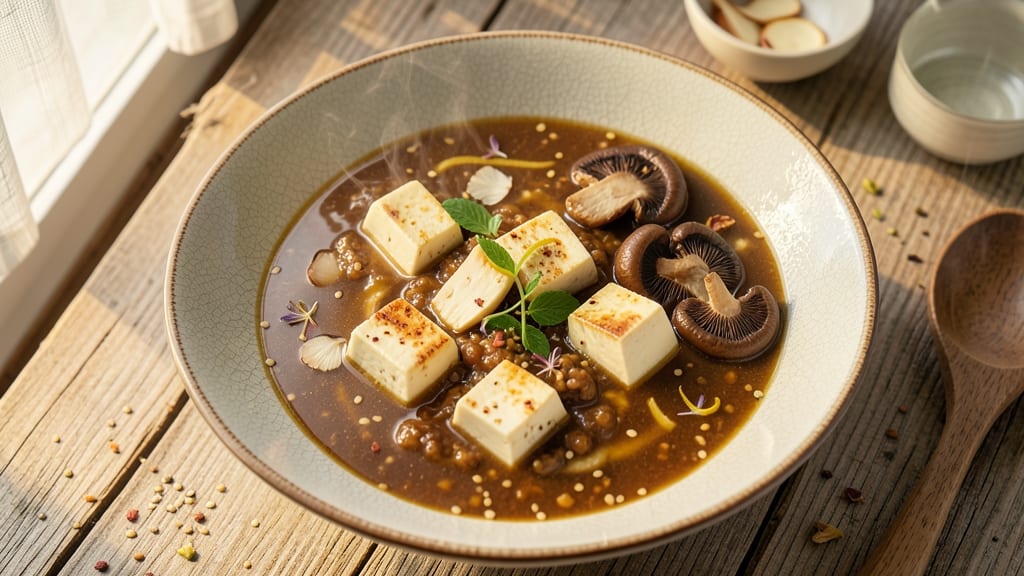
This bean paste soup recipe delivers deep umami flavor in just 30 minutes with a single pot—no chopping, no fuss. The secret lies in fermented bean paste, which transforms simple ingredients into a rich, savory broth that feels like a hug in a bowl.
I developed this version after years of testing, ensuring the balance between earthy bean notes and bright vegetables is always perfect, even when you're short on time.
The beauty of this soup is its adaptability—add protein like tofu or chicken for heartier meals, or keep it vegetarian for a lighter option.
A quick sear of garlic and ginger in the pot kickstarts the flavors, while mushrooms and tofu (or chicken) absorb the broth's depth during the 15-minute simmer. The result? A velvety, aromatic soup that's restaurant-quality without the wait.
What makes this recipe stand out is how it transforms basic ingredients into something extraordinary. The bean paste creates that signature umami richness, while fresh herbs and a splash of rice vinegar brighten the finish.
Serve it over steamed rice for a complete meal, or pair with pickles for a tangy contrast that cuts through the richness.
Perfect for weeknight dinners, meal prep, or when you need comfort food fast, this soup proves you don't need complicated techniques to create something memorable. The one-pot method means less cleanup, and the flavor only gets better as it sits—ideal for making ahead and reheating. Let's get cooking!
Ingredients for bean paste soup
Fermented bean paste and aromatic vegetables create restaurant-quality umami in one pot.
| Ingredient | Amount | Notes |
|---|---|---|
| Fermented Bean Paste 🌱 | 2 tbsp | High-quality, fermented type preferred |
| Vegetable Broth 💧 | 4 cups | Low-sodium preferred for balance |
| Garlic Cloves 🧄 | 4 cloves | Minced for aromatic kick |
| Fresh Ginger 🌿 | 1 tbsp | Finely grated, fresh preferred |
| Firm Tofu 🍛 | 1 lb | Pressed and cubed |
| Shiitake Mushrooms 🍄 | 8 oz | Sliced for texture |
| Green Onions 🧅 | 3 whole | Sliced, white and green parts |
| Sesame Oil 🫒 | 1 tbsp | Toasted for aroma |
| Rice Vinegar 🍶 | 1 tbsp | For bright finish |
| Fresh Cilantro 🌿 | ¼ cup | Chopped for garnish |
| Diamond Crystal Kosher Salt 🧂 | 1 tsp | Adjust to taste |
| White Pepper 🌶️ | ½ tsp | Freshly ground |
| Steamed Jasmine Rice 🍚 | 1 ½ cups | For serving |
| Dried Shiitake Mushrooms 🍄 | 2 pieces | Optional for extra umami |
The fermented bean paste is non-negotiable here—Miso Master or Hodo brands deliver the deepest umami. Look for dark, chunky pastes in the Asian aisle at Whole Foods or Trader Joe's. Fresh ginger and garlic should smell vibrant, not musty. For mushrooms, shitake adds meaty texture, but cremini works too if you're in a pinch. The tofu? Press it for 20 minutes—Kite Hill or Nasoya brands hold up best during cooking.
No fermented bean paste? Double the soy sauce and add 1 tsp fish sauce (use vegan fish sauce for vegetarian). Fresh ginger too pungent? Ground ginger at half the amount works, but you'll lose some brightness. Sub mushrooms with hearts of palm for a different texture. The rice vinegar can be swapped for apple cider vinegar, but it'll taste slightly sweeter. For extra depth, soak the dried shiitake in hot water for 20 minutes—use the liquid in the soup and slice the rehydrated mushrooms for garnish.
This soup tastes even better the next day—3-4 days in the fridge, 3 months frozen. I portion mine into containers with rice on the side for easy lunches. Store the bean paste in the fridge after opening, and keep dried shiitake in a cool, dark place for up to 6 months. The tofu absorbs flavors well, so add it back to the pot when reheating for extra richness.
Why You'll Love This Recipe
- No-Chop Needed: I swear by this—just smash the garlic, slice the ginger thin (or use pre-minced), and toss in the tofu cubes. The fermented bean paste does all the flavor work while you stir.
- Umami Bomb: That deep, funky-sweet fermented bean paste? It’s the star. One spoonful and the broth transforms from basic to ridiculously rich—like a hug in soup form.
- Lunchbox Hero: Between us, this reheats like a dream. Pack it cold for work or warm it up for dinner—same great taste. My kids (and my wallet) thank me every time.
- Pantry Magic: Vegetable broth, tofu, and a little bean paste? You’re already winning. It’s the kind of meal that costs next to nothing but feels like you slaved over it. (Spoiler: You didn’t.)
Step-by-step instructions for bean paste soup
This umami-rich soup comes together in a single pot with minimal prep and maximum flavor.
Prepare the Aromatics and Tofu
Start by pressing the 1 lb firm tofu between paper towels for 15 minutes to remove excess moisture. Cut it into ½-inch cubes and set aside. In a small bowl, combine the minced 4 cloves garlic and finely grated 1 tbsp fresh ginger. This aromatic blend forms the flavor foundation of your soup.
If using the 2 pieces dried shiitake mushrooms, soak them in warm water for 20 minutes to rehydrate. Slice the 8 oz fresh shiitake mushrooms into ¼-inch pieces and set aside. The dried mushrooms add an extra layer of umami depth that fresh mushrooms alone can't match.
Build the Umami Base
Heat a large pot over medium heat and add the 1 tbsp sesame oil. Once the oil shimmers, add the garlic-ginger mixture and cook for 30 seconds until fragrant—this prevents the garlic from burning while developing its flavor. Add the 2 tbsp fermented bean paste and stir constantly for 1 minute until it darkens slightly and releases its rich aroma.
Pour in the 4 cups vegetable broth and bring to a gentle simmer. The bean paste will begin to dissolve, creating a velvety base. If you notice any lumps, stir vigorously to break them down completely. This step is where the soup's signature depth comes from, so don't rush it.
Cook the Vegetables and Tofu
Add the sliced shiitake mushrooms and rehydrated dried shiitake mushrooms (if using) to the simmering broth. Cook for 5 minutes until the mushrooms soften slightly. Then add the tofu cubes and simmer for another 5-6 minutes until the tofu is heated through and the flavors meld together.
Here's the thing—don't overcook the tofu or it'll turn rubbery. You want it just warm through, not falling apart. The mushrooms should be tender but still hold their shape, releasing their earthy flavors into the broth.
Finish with Bright Flavors
Stir in the 1 tbsp rice vinegar and 1 tsp Diamond Crystal kosher salt. The vinegar brightens the rich umami flavors while the salt enhances all the components. Taste and adjust the seasoning—you might need a touch more salt depending on your broth's sodium level.
Add the 0.5 tsp white pepper and let the soup simmer for 2 more minutes to allow all the flavors to integrate. The white pepper adds warmth without the visual contrast of black pepper, creating a cleaner presentation.
Serve Over Steamed Rice
Ladle the hot soup over 1.5 cups steamed jasmine rice in individual bowls. Garnish with sliced green onions and chopped fresh cilantro. The rice soaks up the flavorful broth while providing a neutral base that lets the soup's complex flavors shine.
Each bowl should have a perfect balance of textures—the tender tofu, chewy mushrooms, and soft rice—all bathed in a rich, umami-packed broth. The green onions and cilantro add freshness that cuts through the depth of the bean paste flavors.
Pro Tips For Making Bean Paste Soup
- Bloom the Bean Paste: I learned this the hard way—dumping fermented bean paste straight into hot broth makes it clump like glue. Instead, whisk it with 2 tablespoons cold water first, then let it sit for 30 seconds before adding to simmering liquid. This breaks down the paste evenly, giving you that silky, well-distributed richness without lumps.
- Toast the Ginger First: Skip this, and your soup tastes like medicine. Thinly slice the ginger (no need to peel—just scrub it), then dry-toast in a pan for 30 seconds until fragrant. The aroma deepens instantly, and it won’t overpower the dish like raw ginger can. (Yes, even if you’re impatient like me.)
- Cut Tofu After Cooking: I used to slice firm tofu raw, and it’d either turn to mush or soak up too much broth. Now I cube it whole, simmer it for 8–10 minutes until the edges are just tender, then slice after draining. The texture stays firm, and the cubes hold their shape—no sad, waterlogged tofu here.
- Simmer, Don’t Boil: After adding the bean paste, resist the urge to crank the heat. A gentle simmer (tiny bubbles, occasional skimming) lets the flavors meld without scorching the paste or making the broth cloudy. I know, I know—it’s tempting to rush, but this is the thing that matters most for a clean, balanced soup.
Flavor customization for this recipe
Spicy Heat Boost
Add ½ tsp chili crisp or 1 tsp gochujang (Korean chili paste) to the bean paste before cooking for a fiery kick. I love balancing it with 1 tsp honey to soften the heat while keeping that umami depth.
For extra smokiness, add ½ tsp smoked paprika when building the aromatic base—it deepens the flavor without overpowering. 🌶️
Sweet and Tangy Twist
Swap the rice vinegar for 1 tbsp mirin and add 1 tsp honey during the final simmer for a Japanese-inspired sweetness. Alternatively, stir in 1 tbsp soy sauce and ½ tsp sesame seeds for a savory-sweet profile. The mirin brightens the bean paste while keeping the soup's depth intact.
Herb-Infused Variations
Boost freshness with 1 tbsp chopped Thai basil or 1 tsp dried shiso leaves for an East Asian touch. For a Mediterranean twist, add 1 sprig rosemary and ½ tsp lemon zest during the final simmer.
The herbs cut through the richness while adding aromatic complexity—just don’t overdo it, or they’ll compete with the bean paste’s umami.
Creamy Texture Upgrade
For a velvety finish, stir in ¼ cup coconut milk or 2 tbsp silken tofu purée at the end. I recommend blending ½ cup cooked tofu with 2 tbsp water until smooth, then whisking it into the soup.
This adds body without altering the flavor profile—just ensure the soup is hot enough to prevent curdling. 💛
Protein Swaps
Replace tofu with ½ lb shredded chicken or ½ lb shrimp for a heartier version. If using shrimp, add them in the last 3 minutes of cooking to avoid overcooking. For a vegetarian alternative, try ½ cup chickpeas—they hold up well and add a satisfying texture.
The key is balancing the protein’s cooking time with the soup’s simmer to maintain harmony.
Nutrition facts
Frequently asked questions
Can I use regular soy sauce instead of fermented bean paste?
You can substitute, but the flavor won't be the same. Use 2 tbsp soy sauce plus 1 tsp fish sauce (or vegan fish sauce) to mimic some of the umami depth. Fermented bean paste has a complex, aged flavor that soy sauce alone can't replicate—it's worth tracking down for the best results.
How do I prevent the bean paste from clumping in my soup?
Stir the bean paste into the hot oil or broth immediately after adding it. The heat helps dissolve it faster. If you notice lumps, whisk vigorously or strain the broth through a fine-mesh sieve for a silky texture. Never add cold bean paste directly to cold liquid—it'll create a paste-like consistency instead of dissolving.
Can I make this soup ahead of time?
Yes! This soup tastes even better the next day. Store it in an airtight container in the fridge for up to 3-4 days or freeze for 3 months. Reheat gently on the stove over medium-low heat, stirring occasionally. For extra richness, add a splash of water or broth when reheating. The flavors develop and deepen over time!
What's the best way to store dried shiitake mushrooms?
Keep them in a cool, dark place in a paper bag (not plastic) for up to 6 months. The paper allows them to breathe while preventing moisture buildup. If they develop an off smell or look moldy, discard them immediately. For best flavor, use them within 3-4 months of purchase.
How can I make this soup spicier?
Add ½ tsp chili crisp or 1 tsp gochujang when cooking the bean paste. For a smoky kick, stir in ½ tsp smoked paprika with the aromatics. Balance the heat with 1 tsp honey if needed—it softens the spice while keeping the umami richness. Adjust to taste at the end!