What changed, and what it changed for you
When this site began, it was just a place to dump recipes I’d collected over years of cooking—some from family, some from restaurants, some from books I’d dog-eared. There was no structure, no testing, and no real thought about why a dish worked (or didn’t).
If a recipe failed, I’d tweak it once, maybe twice, and call it good. The result was a mix of hit-or-miss instructions, inconsistent photos, and no way to trust whether a dish would turn out as described.
Now, every recipe here is built from scratch—not just copied and pasted. That means testing for real-world conditions: high-altitude adjustments, oven quirks, ingredient swaps. The photos aren’t staged; they’re taken in the same kitchen, with the same light, so you see what the dish actually looks like when it’s done.
And the writing? It’s not just a list of steps. It explains *why* a dish works, what can go wrong, and how to fix it before you even start.
| It used to be | Now it is |
|---|---|
| Recipes copied without testing | Every dish made at least twice, adjusted for real kitchens |
| Photos from stock libraries | All shots taken in the same kitchen, same lighting |
| No structure or organization | Grouped by technique, ingredient focus, and origin stories |
| Instructions assumed perfect conditions | Clear notes on troubleshooting and substitutions |
The one that took years
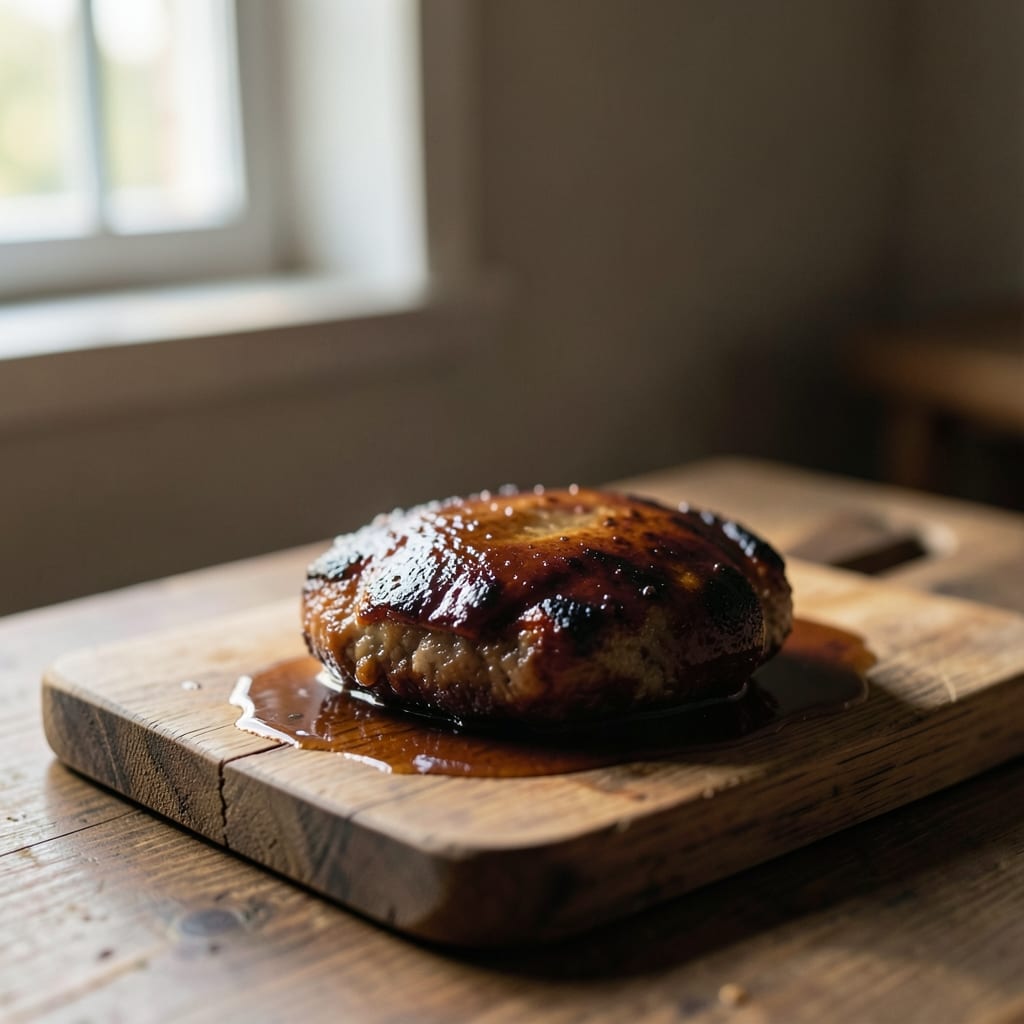
The hardest thing to fix was the photos. For the first two years, I used stock images because I didn’t have a good camera, and I didn’t know how to light a kitchen properly. The result? Recipes that looked nothing like what you’d actually make.
I’d see a dish in a glossy magazine and think, *That’s what it should look like*—until I made it myself and realized the photo was a lie. The problem wasn’t just aesthetics; it was trust. If the photo didn’t match the description, why should anyone believe the rest?
I finally fixed it by buying a used DSLR, setting up a simple lightbox with two cheap LED panels, and shooting every dish in the same spot. It cost about $300 upfront, plus another $50 a month for editing software.
The first 50 recipes I reshot took a full weekend each—peeling onions, waiting for sauces to reduce, then setting up the shot, adjusting the light, taking 20+ frames per dish. But once I had a system, it got faster. Now, a new recipe’s photos take no more than three hours.
The cost isn’t just money. It’s time. Some days, I’d spend four hours making a dish, shooting it, and editing the images—only to realize the lighting was still off. But the alternative was worse: keeping the old photos and pretending everything was fine.
At least this way, if a recipe fails, you’ll know it’s the recipe’s fault, not the photo’s.
Meet the author

I used to think cooking was about following rules. Measure this, stir that, don’t overmix. My first attempts at writing recipes were just transcripts of what my abuelo did—no questions, no doubts, just *this is how it’s done*. When a dish failed, I blamed the ingredients or the weather.
Once, I made a batch of lentils so salty they were inedible, and instead of adjusting the seasoning, I just called it ‘bold flavor’ and moved on. The problem wasn’t the recipe; it was me.
I also believed that if a dish was worth making, it should take all day. Slow-cooked, hand-chopped, no shortcuts. That’s how I learned—by spending Sunday afternoons in the kitchen, only to realize by dinner that I’d missed a step or overcooked something.
The first drafts of this site were the same: long, rambling, and full of assumptions that the reader had the same time (and patience) as I did.
What changed was realizing that most people don’t have all day. And that the best recipes aren’t the ones that take forever—they’re the ones that work, even when you’re tired or short on time.
Now, I run Beanrecipescrock. That means testing every recipe for real-world conditions—high-altitude, last-minute swaps, one-pot meals—and writing instructions that actually help. No more ‘bold flavor’ excuses. If a dish fails, I’ll tell you why, and how to fix it.
The name Horace Stapleton lands here because this is where the work happens: in the kitchen, with the mistakes, and the slow realization that the best recipes aren’t about perfection. They’re about what works.
What did not change
The core idea hasn’t shifted: this site is for the meals that matter—the ones you make when you’re hungry, when you’re tired, or when you just want something that tastes like home. That hasn’t changed since the first draft.
Neither has the belief that a good recipe should work the first time, even if you’re new to the kitchen. The details might have sharpened, but the reason for being is the same: to share the dishes that bring people together.
Another thing that stayed the same is the focus on pulses—beans, lentils, chickpeas. They’re the backbone of so many meals, the quiet ingredient that turns a simple pot into something extraordinary. That hasn’t changed either.
What’s different is how we talk about them: now, there’s a section on soaking times, a guide to canning your own, and notes on how to spot the best dried varieties. The ingredient is still the same. The knowledge around it? That’s grown.
What is still being fixed
Right now, the biggest project is building a search tool that actually understands cooking terms.
You shouldn’t have to scroll through 50 pages to find a recipe for ‘quick chickpeas’ or ‘one-pot lentils.’ We’re testing ways to tag dishes by technique (soaking, pressure cooking, slow simmering) and by what they’re good for (meal prep, last-minute dinners, freezer-friendly).
It’s slow work—every tag has to be consistent, and every recipe has to fit—but it’ll make the site useful for more than just browsing.
If you’ve got ideas for how to organize recipes, or if you’ve tried a dish here and noticed something missing, the contact page is the place to say so.
Things that would help
- Suggestions for better recipe tags (e.g., ‘high-protein,’ ‘vegan,’ ‘kid-friendly’)
- Photos of your own versions of dishes—especially if you’ve made a substitution that worked
- Questions about techniques (e.g., ‘How do I know when my beans are done?’)
The recipes are grouped by category: Appetizers, Beverages, Breakfast & Brunch, Desserts, Main Courses and Salads.