
Main Courses
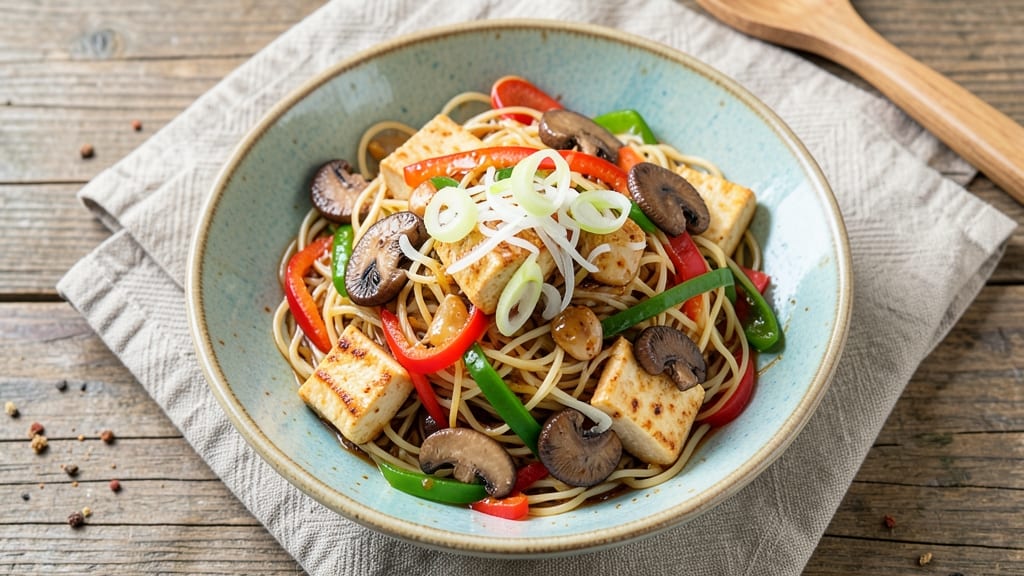
This bean thread noodles stir-fry delivers the perfect balance of silky texture and bold wok heat in every bite. The secret lies in properly preparing the delicate noodles—soaking them just long enough to achieve that signature slippery yet chewy consistency without turning them mushy.
I’ve refined this recipe over countless kitchen tests to ensure the noodles maintain their signature texture while absorbing the savory-sweet sauce perfectly.
What sets this stir-fry apart is the technique: high-heat wok cooking creates that coveted "wok hei" or smoky breath, while a simple but potent sauce of soy, chili, and garlic transforms basic ingredients into restaurant-quality flavor.
We’ll start with proteins like crispy tofu and mushrooms, then add vibrant vegetables that stay crisp-tender. The result is a dish that’s both elegant and satisfying—ideal for weeknight dinners or special occasions.
The magic happens in the plating: silky noodles piled high, topped with bright garnishes like scallions and sesame seeds, and finished with a drizzle of chili oil for extra heat.
This stir-fry is quick to prepare but feels like a gourmet experience, proving that homemade can rival takeout. Ready to master the art of bean thread noodles?
Whether you’re serving this as a main course or a side, the combination of textures and flavors makes it unforgettable. The noodles glide across your plate like liquid silk, while the wok-fried proteins and vegetables add satisfying crunch and depth. Let’s get cooking!
Ingredients for bean thread noodles recipe stir fry
Silky noodles, crispy tofu, and vibrant vegetables—this stir-fry balances texture and flavor perfectly.
| Ingredient | Amount | Notes |
|---|---|---|
| Bean Thread Noodles 🍜 | 8 oz | Dried, for soaking |
| Extra-Firm Tofu 🧆 | 1 lb | Pressed, cubed |
| Shiitake Mushrooms 🍄 | 8 oz | Stemmed, sliced |
| Bell Peppers 🌶️ | 2 whole | Red or green, sliced |
| Scallions 🧅 | 4 whole | Thinly sliced, white/light green parts |
| Garlic Cloves 🧄 | 6 cloves | Minced |
| Ginger Root 🌿 | 1 tbsp | Fresh, grated |
| Sesame Oil 🫒 | 1 tbsp | For cooking |
| Vegetable Oil 🫒 | 3 tbsp | High smoke point |
| Tamari Sauce 🍶 | 3 tbsp | Gluten-free soy sauce |
| Rice Vinegar 🍶 | 2 tbsp | White or seasoned |
| Maple Syrup 🍯 | 1 tbsp | Pure, for balance |
| Sriracha 🌶️ | 1 tbsp | Adjust for heat |
| Toasted Sesame Seeds 🌾 | 1 tbsp | For garnish |
| Chili Oil 🔥 | 1 tbsp | Optional garnish |
The bean thread noodles are the star here. Look for dried noodles at Asian markets—brands like King Noodle or Tianjin are reliable. Soaking time is critical: 10-15 minutes in warm water until they're slippery but still hold shape. Over-soaking turns them mushy. For tofu, press it for 20 minutes to remove excess water—this ensures crispy edges when stir-fried. Shiitake mushrooms add umami depth, so don't skip them if you can find fresh ones. Substitute cremini mushrooms if needed, but they won't have the same earthy flavor.
Tamari sauce is non-negotiable here—it's richer than regular soy sauce and adds that authentic wok flavor. No tamari? Use coconut aminos, but the taste will differ slightly. The maple syrup might seem odd, but it balances the heat and acidity beautifully. Substitute agave if you prefer, but maple adds a subtle caramel note. For extra heat, double the sriracha, but start with less if you're sensitive to spice. The sesame oil is for cooking, not flavoring—use it sparingly to avoid overpowering the dish. Toast your own sesame seeds in a dry pan for 2 minutes—they'll taste fresher than store-bought.
This stir-fry reheats beautifully—just add a splash of water to the pan and toss. Keeps for 4 days in the fridge, though the noodles soften slightly after day 2. For longer storage, freeze the sauce separately and re-soak the noodles when ready to eat. The tofu and mushrooms can be prepped ahead and stored in the fridge for 3 days before cooking. Double the batch and freeze half for lazy weeknights. Garnish with chili oil right before serving—it adds heat and visual drama without altering the dish's core texture.
Why You'll Love This Recipe
- No-Fuss Prep: I swear by this—soak the bean threads in hot water for 10 minutes, cube the tofu while watching TV, and toss everything in one pan. No chopping marathon, no measuring fuss, just done.
- Umami Bomb: That combo of shiitake mushrooms and crispy tofu? It’s like a flavor hug. The bell peppers add sweetness, and the scallions finish it with a bright kick—simple ingredients, but ridiculously satisfying.
- Lunchbox Hero: Make a big batch on Sunday, and you’ve got weeknight dinners covered. The noodles hold up perfectly, and the stir-fry reheats like it was just made. (Yes, even on a Tuesday night.)
- Budget Win: Tofu, mushrooms, and veggies stretch this dish far—feed four for the price of two takeout meals. Plus, the leftovers taste just as good cold the next day. My wallet and my taste buds thank me.
Step-by-step instructions for silky stir-fried bean thread noodles
Master the art of slippery noodles with this precise stir-fry method—timing and technique make all the difference.
Soak the Bean Thread Noodles Until Perfectly Slippery
Place the 8 oz bean thread noodles in a large bowl and cover with cold water by about 4 inches. Let them soak for 20-30 minutes—they're ready when they're completely separated and slippery to the touch. Drain thoroughly using a colander and rinse with cold water to remove excess starch.
I like to soak them in batches if needed, but don't overcrowd the bowl. The noodles should float freely in the water. If they stick together after draining, give them a quick rinse again. This step is critical—they need to be supple and slippery for that authentic wok hei texture.
Press and Cube the Tofu for Maximum Texture
Wrap the 1 lb extra-firm tofu in a clean kitchen towel and place a heavy object on top (like a cast-iron skillet) for 15 minutes. This removes excess moisture so the tofu develops a nice crust. After pressing, cut the tofu into ½-inch cubes—uniform size ensures even cooking.
Pat the cubes dry with paper towels before cooking. The drier they are, the better they'll brown in the wok. I find the best way to get crispy tofu is to work in batches—don't overcrowd the pan or they'll steam instead of sear.
Stir-Fry the Vegetables and Tofu in Stages
Heat a wok or large skillet over high heat until smoking, then add 3 tablespoons vegetable oil. Working in batches, add the tofu cubes and cook for 3-4 minutes until golden brown on all sides. Remove and set aside.
In the same wok, add 1 tablespoon sesame oil and 1 tablespoon vegetable oil. Add the sliced shiitake mushrooms and cook for 2 minutes until they release their moisture and begin to brown. Push them to one side, then add the sliced bell peppers and cook for 2 minutes until slightly softened but still crisp.
Add the minced garlic and grated ginger, stir for 30 seconds until fragrant. Return the tofu to the wok and toss everything together for 1 minute to combine.
Create the Signature Sauce and Combine
In a small bowl, whisk together the 3 tablespoons tamari sauce, 2 tablespoons rice vinegar, 1 tablespoon maple syrup, and 1 tablespoon sriracha. Pour this mixture into the wok and stir vigorously for 1 minute until the sauce coats everything evenly.
Add the drained bean thread noodles and toss everything together for 2-3 minutes until the noodles are heated through and the sauce clings to them. The noodles should be hot but still retain their slippery texture. If the sauce is too thick, add 1-2 tablespoons hot water** to loosen it.
Finish and Garnish for Perfect Presentation
Remove the wok from heat and stir in the thinly sliced scallions. Taste and adjust seasoning if needed—you might want to add a splash more tamari for saltiness or a touch more sriracha for heat. Divide the stir-fry among 4 plates, garnishing each with 1 tablespoon toasted sesame seeds and a drizzle of 1 tablespoon chili oil.
Serve immediately with extra chili oil on the side if desired. The noodles should be silky and slippery, the tofu crispy yet tender, and the sauce perfectly balanced between savory, sweet, and slightly spicy. Each bite should deliver that signature wok hei flavor—smoky, slightly charred, and deeply aromatic.
Pro Tips For Making Bean Thread Noodles Recipe Stir Fry
- PRE-SOAK NOODLES RIGHT: DESCRIPTION: Bean thread noodles need a quick 15-minute soak in hot (not boiling) water—just enough to soften them to finger-tip resistance, not mush. I learned the hard way that skipping this step leaves them chewy and unappetizing, even after stir-frying.
- CUT TOFU THINLY: DESCRIPTION: Slice the extra-firm tofu into ¼-inch slabs—thinner than you’d think. Thick pieces stay rubbery; thin pieces crisp up fast in the wok. Press it dry first, or your stir-fry will turn into a soggy mess.
- STIR-FRY IN BATCHES: DESCRIPTION: Don’t overcrowd the pan—cook tofu and mushrooms first, then set aside. Tossing everything in at once steams the noodles instead of searing them. A wok’s high heat is useless if it’s just boiling water.
- SAUTE SCALLIONS LAST: DESCRIPTION: Toss in the scallions with the noodles at the very end—they wilt instantly and add freshness. If you add them earlier, they’ll turn bitter and disappear into the sauce. Save them for that final bright pop.
Serving suggestions for this recipe
Garnish Like a Pro
Toast your own sesame seeds in a dry pan for 2 minutes until golden and fragrant—they’ll taste fresher than store-bought and add a nutty crunch. I like to sprinkle them over the finished dish right before serving, along with a drizzle of chili oil for that signature wok heat.
For extra visual appeal, arrange thinly sliced scallions in a fan shape on top. 🌟
Sauce Variations
Swap the tamari sauce for coconut aminos if you’re avoiding gluten, though the flavor will be slightly milder. For a sweeter twist, add ½ teaspoon grated ginger and 1 teaspoon honey to the sauce.
If you love umami, stir in 1 teaspoon miso paste at the end for depth. Always taste as you go—adjust to your preference!
Side Dish Pairings
Serve with steamed jasmine rice to soak up the extra sauce, or pair with garlic green beans for a balanced plate. For a lighter option, add a cucumber salad with rice vinegar and sesame seeds.
I also love serving this with wonton cups filled with spicy pork or shrimp for a fun interactive element. 🥢
Beverage Pairings
A crisp green tea like jasmine or sencha cuts through the richness of the dish, while a light lager beer like Asahi complements the savory-sweet flavors.
For a non-alcoholic option, try yuzu soda—its citrusy notes balance the spice. Avoid heavy wines or dark beers, as they’ll overpower the delicate noodles. 🍶
Make-Ahead Tips
Prep the tofu and mushrooms a day ahead and store them in the fridge—they’ll keep well for 3 days. The noodles can be soaked and rinsed, then stored in an airtight container with a damp paper towel to prevent drying.
Reheat gently in the wok with a splash of water to revive their texture. For extra convenience, make the sauce ahead and store it separately. 💡
Presentation Ideas
Use a wide, shallow bowl to showcase the silky noodles and crispy tofu, or plate family-style for sharing. For a restaurant-worthy touch, drizzle the chili oil in a zigzag pattern and sprinkle with extra sesame seeds.
Serve with chopsticks and small bowls of sauce for dipping. The key is to highlight the textures—let the colors and garnishes do the talking! ✨
Nutrition facts
Frequently asked questions
Why do bean thread noodles turn mushy when stir-frying?
Over-soaking is the #1 culprit! These noodles should only soak for 10-15 minutes in warm water until slippery but still firm. Rinse them with cold water after draining to remove excess starch. Also, avoid overcrowding the wok—cook in batches if needed. The high heat should take just 2-3 minutes to heat through after adding them.
Can I use regular spaghetti instead of bean thread noodles?
Not ideal! Bean thread noodles have a unique silky, slippery texture that regular pasta can't replicate. They're made from mung bean starch, giving them that signature chewy-yet-slippery quality. For a similar experience, try rice noodles (like vermicelli) or cellophane noodles, but neither will be identical. The flavor profile will also differ significantly.
How do I get crispy tofu every time?
Press the tofu for 20 minutes (not just 15!) and pat it completely dry with paper towels. Cut into ½-inch cubes and cook in batches over high heat with just enough oil to coat. Don't stir constantly—let it develop a golden crust for 3-4 minutes per side. The secret is patience and a very hot wok!
What's the best way to adjust the spice level?
Start with the 1 tbsp sriracha called for, then taste as you go. For more heat, add ½ tsp chili flakes or another ½ tbsp sriracha. For a smoky kick without extra heat, stir in ½ tsp smoked paprika at the end. Always adjust gradually—you can't remove spice once it's added!
Can I make this dish gluten-free?
Use tamari sauce (gluten-free soy sauce) and swap regular soy sauce if needed. For extra assurance, check your sesame oil and chili oil labels—some brands process in gluten-containing facilities. The rest of the ingredients are naturally gluten-free, making this dish easily adaptable for gluten-sensitive diets.