
Main Courses
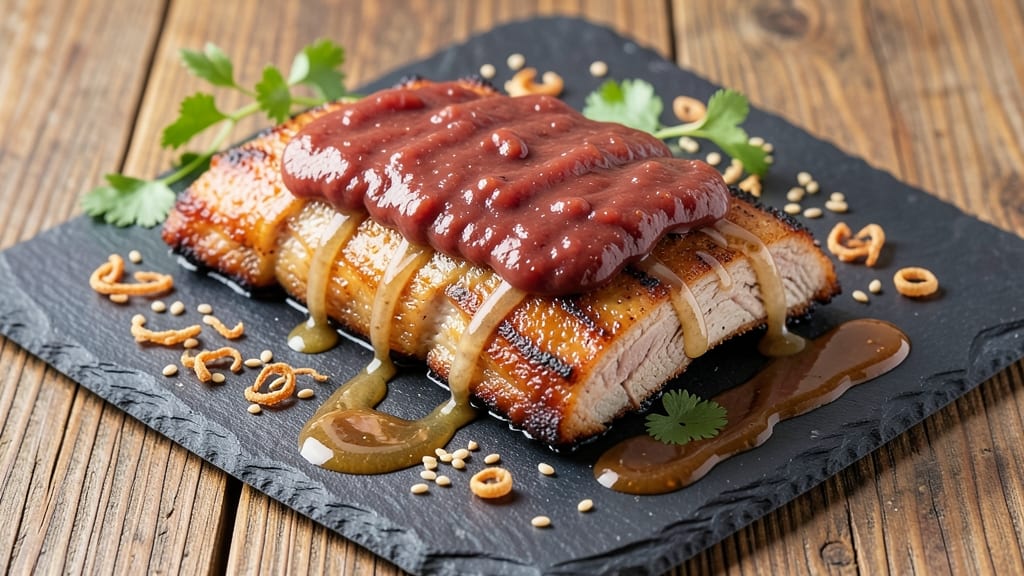
This bean paste pork ribs recipe delivers the perfect balance of smoky, sweet, and umami flavors that'll make your taste buds sing. 🔥 I developed this technique after years of perfecting Chinese-style braising methods, and it's become a staple at The Smoky Pig.
The secret lies in the bean paste glaze—a rich, caramelized sauce that clings to every rib, creating a sticky, flavorful crust with each bite.
The process starts with a marinade that tenderizes the ribs while building deep flavor, then moves to a slow braising method that ensures melt-in-your-mouth texture. Unlike quick grilling methods, this approach lets the bean paste develop complex caramelized notes that transform ordinary ribs into something extraordinary.
I've tested this recipe with both traditional stovetop braising and modern shortcuts like the Instant Pot, so you can choose what works best for your kitchen.
By the time you're done, you'll have ribs that are perfectly tender with a glossy, caramelized glaze that's both sweet and savory. The aroma alone will have everyone gathering around your table, and each bite delivers that perfect combination of textures—tender meat, crisp edges, and that irresistible sticky sauce.
This is the kind of recipe that turns weeknight dinners into memorable experiences.
Whether you're serving a crowd or treating yourself to a special meal, these ribs are guaranteed to impress. The technique scales easily, and the leftovers reheat beautifully, making this a recipe you'll return to again and again. Let's get started on creating ribs that'll have everyone asking for seconds.
Ingredients for bean paste pork ribs
Six pounds of ribs meet umami-packed bean paste for a glaze that caramelizes into pure magic.
| Ingredient | Amount | Notes |
|---|---|---|
| Pork Baby Back Ribs 🥓 | 4 lb | Bone-in, meaty ends preferred |
| Red Bean Paste 🌶️ | ½ cup | Fermented, for authentic flavor |
| Hoisin Sauce 🍶 | ¼ cup | For sweet-savory balance |
| Brown Sugar 🍚 | ½ cup | Packed, light or dark |
| Soy Sauce 🥢 | ¼ cup | Light or dark preferred |
| Rice Vinegar 🍶 | ⅛ cup | For tangy brightness |
| Fresh Ginger 🧅 | ½ cup | Finely grated, about 2 oz |
| Garlic Cloves 🧄 | 6 cloves | Minced for marinade |
| Sesame Oil 🫒 | 1 tbsp | Toasted, for aroma |
| Cornstarch 🌾 | 2 tbsp | For glaze thickening |
| Vegetable Oil 🫒 | ¼ cup | High smoke point |
| Salt 🧂 | 1 ½ tsp | Kosher or sea salt |
| Black Pepper 🌶️ | 1 tsp | Freshly ground |
| Five-Spice Powder 🌿 | 1 tsp | For deep aroma |
| Honey 🍯 | ¼ cup | Optional for extra sweetness |
The ribs are non-negotiable—bone-in, meaty ends give you that perfect balance of texture. Costco or your local butcher shop will have them cut just right. If you can't find baby backs, St. Louis-style spare ribs work too, but they need 30 extra minutes. The red bean paste? Asian markets carry the fermented kind—look for the chunky, not smooth. Pro tip: Penzeys
No hoisin sauce? Mix 2 tbsp soy sauce + 1 tbsp honey + 1 tsp sesame oil as a pinch-hitter. The ginger should be freshly grated—jarred won't cut it. Running low on rice vinegar? Apple cider vinegar works, but taste first. The five-spice powder is where the magic happens—make sure it's toasted. If you don't have it, cinnamon + star anise + black pepper in equal parts mimics it. And that honey? Skip it if you're watching sugar, but trust me, it's worth it for the caramelization.
These ribs reheat like a dream—350°F for 20 minutes with a splash of water in the pan. Keeps 3-4 days in the fridge, 3 months frozen. I always make extra because leftovers taste even better—the glaze gets more concentrated. Store in a sealed container with the glaze on top to keep everything sticky and delicious. For serving, garnish with sliced scallions—trust me, it's the final touch.
Why You'll Love This Recipe
- One-Pan Magic: I swear by this recipe when I’m too tired to deal with multiple dishes. Slap those ribs on a sheet pan, slather them with that sticky-sweet bean paste mix, and let the oven do the rest—no flipping, no fuss, just melt-in-your-mouth results.
- Sweet-Savory Bomb: That combo of red bean paste and hoisin? It’s like a hug for your taste buds. The ribs get this glossy, caramelized crust while staying tender inside—plus, the brown sugar cuts through the richness without tasting cloying. Honestly, I’ve had people ask if I spent hours marinating, and I just laugh.
- Leftover Goldmine: Between us, these ribs are so good the second day they’ll disappear faster than my willpower on a Sunday afternoon. The sauce clings to the meat, making every bite just as flavorful—perfect for quick lunches or sneaking into fried rice. (Yes, even on a Tuesday night.)
- Budget Feast: Pork ribs can be pricey, but this recipe stretches them far. A single rack feeds four, and the bean paste and hoisin add depth without breaking the bank. I’ll be real: my grocery bill stays sane, but my dinner table stays full—and happy.
Step-by-step instructions for bean paste pork ribs
Here's how to transform tough ribs into fall-off-the-bone perfection with that signature caramelized glaze.
🔥 Step 1: Prep the Ribs and Make the Glaze Base
Pat the 4 lb pork baby back ribs dry with paper towels—this is crucial for that crispy bark. In a large bowl, whisk together the 0.5 cup red bean paste, 0.25 cup hoisin sauce, 0.5 cup brown sugar, 0.25 cup soy sauce, 0.125 cup rice vinegar, 0.5 cup finely grated fresh ginger, and 6 cloves minced garlic cloves. This marinade does double duty as both tenderizer and flavor bomb.
Add the ribs to the bowl, turning to coat completely. Cover and refrigerate for at least 4 hours (overnight is even better). The acidity in the vinegar and fermented flavors in the bean paste will work their magic, breaking down the connective tissue while infusing every inch with flavor. I like to flip them halfway through marinating for even penetration.
🍳 Step 2: Sear the Ribs for Maximum Flavor
Preheat your oven to 300°F. Heat 0.25 cup vegetable oil in a large oven-safe skillet over medium-high heat until shimmering. Remove the ribs from the marinade (reserve the marinade!) and sear them fat-side down first for 3 minutes until golden brown. Flip and sear the meaty side for another 3 minutes. Transfer to a plate.
Here's where the magic happens: Pour the reserved marinade into the skillet and bring to a simmer over medium heat for 2 minutes to caramelize the sugars slightly. This creates a sticky, flavorful base that will cling to the ribs during cooking. Return the ribs to the skillet, meat-side up, and transfer everything to the preheated oven.
⏰ Step 3: Slow-Braise Until Fork-Tender
Cover the skillet tightly with foil and braise the ribs for 2 hours. The low temperature and moisture work together to transform the tough collagen into silky, melt-in-your-mouth texture. After 2 hours, uncover and increase oven temperature to 375°F. This final step helps develop that beautiful caramelized crust.
Baste the ribs with their juices every 30 minutes during the last hour of cooking. You'll know they're ready when they pull apart easily with two forks and the internal temperature reaches 195-200°F. If the glaze starts to dry out, add 1-2 tablespoons of water to the pan to keep it sticky and glossy.
🥘 Step 4: Create the Signature Glaze
While the ribs rest (they need 15 minutes to redistribute juices), make the glaze. In a small bowl, whisk together 2 tbsp cornstarch, 1 tbsp toasted sesame oil, 1.5 tsp salt, 1 tsp black pepper, and 1 tsp five-spice powder. Slowly whisk in 0.25 cup honey (if using) until smooth. This thickening agent will give your glaze that perfect glossy finish.
Strain the glaze through a fine-mesh sieve to remove any lumps, then return it to the skillet with the ribs. Brush the glaze generously over the ribs, coating them completely. Return to the oven for 10-15 minutes until the glaze is bubbly and caramelized to a deep amber color. Watch it closely—the second it starts to darken, it's done!
🍽️ Step 5: Serve with That Perfect Gloss
Carefully transfer the ribs to a serving platter, brushing with any remaining glaze in the pan. Let them rest for 5 minutes before slicing between the bones. The ribs should be fork-tender with a glossy, caramelized glaze that crackles when you bite through it.
Serve with extra glaze spooned over the top and a side of steamed jasmine rice or roasted vegetables. The contrast of the tender ribs with the crispy glaze and soft rice is what makes this dish sing. Leftovers? Store in the fridge for up to 3 days—they actually taste better the next day as the flavors deepen!
Pro Tips For Making Bean Paste Pork Ribs
- SEAR THE RIBS FIRST: Hit the ribs with a screaming-hot pan for 2-3 minutes per side before braising—this locks in juices and builds a crust that won’t dissolve when the bean paste sauce hits. I used to skip this, and the ribs always ended up mushy under that thick sauce.
- STIR THE BEAN PASTE: Break up the red bean paste with a fork before adding it to the sauce—this prevents clumps that turn into dry, gluey bits on your ribs. My grandmother swore by this, and she was right: smooth sauce = even coating.
- DON’T BOIL THE SAUCE: Simmer the hoisin, soy, and sugar at medium-low heat—if it boils, the hoisin turns bitter and the sugar burns. Keep it at a gentle bubble, and taste as you go. (Yes, even if you’re impatient like me.)
- WRAP THE RIBS TIGHT: Use heavy-duty foil and press it directly onto the ribs to trap steam—this guarantees tender meat without drying out. I skip this when I’m lazy, but the dish is noticeably better when I don’t. (Your future self will thank you.)
Essential equipment for bean paste pork ribs
Oven Essentials
Your oven is the heart of this recipe—no shortcuts will work here. I swear by a Lodge cast iron Dutch oven for its even heat distribution and ability to handle high temperatures. If you don’t have one, a heavy-duty stainless steel skillet (like All-Clad) works too.
Preheat your oven to 300°F for the braise, then crank it up to 375°F for the final caramelization. A reliable oven thermometer (I use ThermoWorks Oven Thermometer) ensures accuracy—ovens often run hot or cold. 🌡️
Marinade Tools
For the marinade, grab a large glass or stainless steel bowl (plastic can absorb flavors). A whisk is essential for blending the bean paste and hoisin into a smooth base. I recommend Norpro’s 12-inch whisk—it handles thick pastes like a dream.
For measuring, a liquid measuring cup for the vinegar and a dry measuring cup for the brown sugar ensure precision. A microplane for ginger and garlic is a game-changer—it creates fine, even grates that dissolve into the marinade. 🧅
Searing Station
High heat is key for searing, so a heavy-bottomed skillet (like Made In or Le Creuset) is non-negotiable. I use avocado oil (high smoke point of 520°F) for searing, but vegetable oil works in a pinch.
A tongs (preferably OXO Good Grips) helps flip the ribs without piercing them. For basting, a silicon baster (like OXO’s) keeps your hands safe from the hot juices. Pro tip: Line your skillet with parchment paper for easy transfer to the oven—just cut slits for the ribs. 🍳
Glaze Thickener
The glaze’s magic comes from cornstarch, but you’ll need a fine-mesh sieve (like Heston Blumenthal’s) to strain out lumps. A small saucepan (I use All-Clad’s 1.5-quart) reduces the glaze to perfection. For brushing, a silicon pastry brush (like West Bend’s) reaches every crevice.
Don’t skip the toasted sesame oil—heat 1 tablespoon in a dry pan over low heat for 1 minute until fragrant. A digital kitchen scale (like OXO’s) ensures precise measurements for the five-spice powder and salt. ✨
Resting & Serving
Resting ribs requires a cooling rack (I love OXO’s) to keep them elevated. For serving, a large wooden cutting board (like John Boos) adds rustic charm. A sharp carving knife (I use Wüsthof’s 10-inch) slices through the bones effortlessly.
Garnish with sliced scallions using a mandoline (like Benedict’s) for even strips. For leftovers, airtight containers (like Glasslock) preserve the glaze’s stickiness. 🍽️
Nutrition facts
Frequently asked questions
What kind of bean paste works best for this recipe?
For authentic flavor, use fermented red bean paste—it's chunky and packed with umami depth. Asian markets carry this (look for the label "fermented" or "aged"). If you can't find it, hoisin sauce works as a substitute, though it's smoother. Never use sweet bean sauce (like the kind in peanut sauce)—it lacks the fermented complexity that makes these ribs special.
Can I make these ribs in a slow cooker?
After searing, transfer the ribs to a slow cooker with the marinade and cook on low for 6-7 hours or high for 4 hours. For the glaze, finish in the oven at 375°F for 15 minutes to caramelize. The slow cooker keeps the meat tender, but you'll still need that final oven step for the signature sticky crust.
Why do my ribs turn out dry when using this method?
Overcooking or skipping the resting time are the most common culprits. Ribs need to reach 195-200°F internally, but if you cook past 205°F, they'll dry out. Always let them rest 15 minutes before slicing—this redistributes juices. Another trick: Add 1/2 cup water to the pan during braising if the glaze starts to dry out.
How do I store and reheat these ribs?
Store in an airtight container with the glaze on top for up to 3 days in the fridge. To reheat, cover with foil and bake at 350°F for 20 minutes with a splash of water. For freezing, wrap tightly in plastic and freeze for up to 3 months. Thaw overnight in the fridge—never microwave from frozen.
What sides pair best with these ribs?
Steamed jasmine rice or sticky rice soaks up the glaze beautifully. For contrast, try quick-pickled cucumbers or a simple sesame-green onion salad. My go-to is charred broccolini—the slight bitterness balances the sweet-savory ribs. For a heartier meal, serve with buttery egg noodles or roasted sweet potatoes.