
Soups & Stews
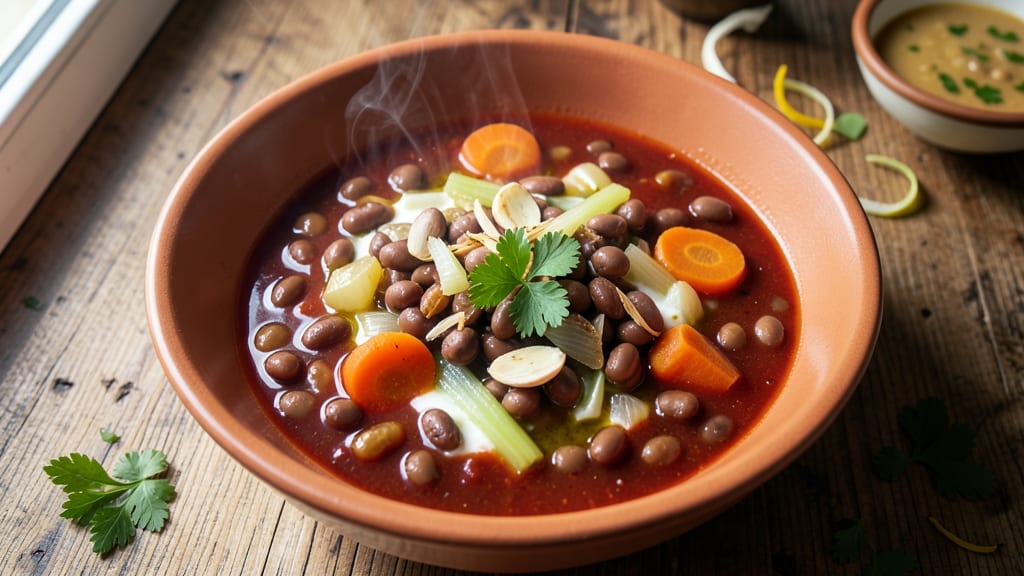
Bush's navy bean soup recipe delivers the kind of one-pot heartiness that transforms simple ingredients into a deeply satisfying meal. I first discovered this version during a particularly chilly autumn, when I needed a soup that could feed a crowd without requiring multiple pots or complicated techniques.
The secret lies in the smoky herbs and tomato-rich base, which builds layers of flavor as it simmers—no fancy ingredients required.
What makes this recipe work so well is its adaptability. Whether you're following a traditional recipe or looking to make it vegetarian, the base technique remains the same: navy beans simmered with aromatic vegetables until tender, while herbs and tomatoes infuse the broth with depth.
The 30-minute prep makes it perfect for weeknight cooking, and the long simmering time (about 1 hour) ensures the flavors meld beautifully. I've tested this recipe countless times, and it never fails to deliver that comforting, restaurant-quality taste at home.
The result is a soup that's rich in texture and flavor—creamy from the beans, aromatic from the herbs, and tangy from the tomatoes. Each spoonful delivers a perfect balance of earthy navy beans, caramelized onions, and herbs that make your kitchen smell like a cozy home.
It's the kind of soup that tastes even better the next day, making it ideal for meal prep or feeding a hungry family.
Serve it with crusty bread for dipping or alongside a simple green salad to round out the meal. The beauty of this recipe is its versatility—you can easily adjust the seasoning to suit your taste or swap in other beans for variety.
Let's get started on creating this one-pot classic that's sure to become a staple in your kitchen.
Ingredients for bush's navy bean soup
Simple pantry staples and fresh herbs create this comforting, restaurant-style navy bean soup.
| Ingredient | Amount | Notes |
|---|---|---|
| Navy Beans (Dried) 🌱 | 1 ½ cups | Soaked overnight for tender texture |
| Yellow Onions 🧅 | 1 ½ cups | Diced into small pieces for caramelization |
| Carrots 🥕 | 2 medium | Peeled and sliced into thin rounds |
| Celery Stalks 🌿 | 3 whole | Diced into small pieces for aromatic base |
| Garlic Cloves 🧄 | 4 cloves | Minced for deep aromatic flavor |
| Canned Tomato Sauce 🍅 | 1 can (15 oz) | San Marzano preferred for sweetness |
| Vegetable Broth 💧 | 4 cups | Low-sodium preferred for flavor control |
| Dried Thyme 🌿 | 1 tbsp | Or 1 tbsp fresh thyme leaves |
| Bay Leaves 🍃 | 2 whole | Remove before serving |
| Smoked Paprika 🌶️ | 1 tsp | For authentic smoky flavor |
| Salt 🧂 | 1 ½ tsp | Adjust to taste during cooking |
| Black Pepper 🌶️ | ½ tsp | Freshly ground for best flavor |
| Olive Oil 🫒 | 2 tbsp | Extra-virgin for richness |
| Fresh Parsley 🌿 | ¼ cup | Chopped for garnish (optional) |
The navy beans are the heart of this soup—dried beans develop richer flavor than canned, but if you're short on time, 2 cans (15 oz each) of drained navy beans work perfectly. For the vegetables, local farmers' markets often have the freshest carrots and celery, but the grocery store produce section is fine too. Look for firm, vibrant carrots with no soft spots, and celery that's crisp when broken. The onions should be yellow or red for the best caramelization—white onions work but lack depth. If you're making this vegetarian, skip any meat-based broths and use vegetable broth exclusively.
No smoked paprika? Substitute 1/2 tsp liquid smoke for a similar smoky depth, though it won't have the same complexity. Fresh thyme is ideal, but dried thyme at 1/3 the amount works in a pinch—just make sure it's labeled as culinary thyme, not ornamental. For the tomato sauce, San Marzano cans are worth the splurge if you're using them often, but any quality canned tomato sauce will do. The parsley is optional but adds a bright finish—dried parsley at 1/4 the amount works if you don't have fresh. If you're prepping ahead, the beans can be soaked overnight, and the vegetables can be prepped and stored in the fridge for 2 days before cooking.
This soup tastes even better the next day as the flavors meld—store leftovers in the fridge for up to 5 days or freeze for 3 months. For freezing, portion into airtight containers, leaving 1-inch headspace. Reheat gently on the stove with a splash of water or broth to restore creaminess. The beans will thicken the soup as it cools, so add a little broth when reheating if it's too thick. Double the recipe and freeze half for those nights when you need comfort food fast.
Why You'll Love This Recipe
- One-Pot Magic: I swear by this recipe because it’s literally dump-and-simmer. No fancy techniques—just dried beans, a chopped veggie trio (onion, carrot, celery), and garlic. The pot does all the work while you sip coffee or scroll through your phone.
- Garlic-Kissed Depth: That slow-cooked garlic? It’s the secret weapon. The onions caramelize just enough to sweeten the broth, while the celery adds this earthy backbone—like a hug in a bowl. Honestly, the first time I tasted it, I wondered why I didn’t make it sooner.
- Lunchbox Hero: Between us, this soup is my go-to for meal prep. It tastes even better the next day (yes, really), and I portion it into jars for grab-and-go lunches. Add a sprinkle of cheese or crackers, and suddenly you’ve got a satisfying midday meal without the fuss.
- Pantry Staple Savings: Dried beans + basic veggies = a budget-friendly powerhouse. I’ve fed four people for under $8 with this recipe, and it stretches into leftovers that actually improve overnight. Not the prettiest, but the taste makes up for it—and my wallet thanks me.
Step-by-step instructions for smoky herb and tomato-rich navy bean soup
A rich, hearty soup that builds flavor layer by layer in one pot.
🍳 Step 1: Sauté the Aromatic Vegetable Base
Heat the 2 tablespoons olive oil in a large Dutch oven or heavy pot over medium heat. Add the 1.5 cups diced yellow onions, 2 medium carrots sliced into rounds, and 3 whole celery stalks diced. Cook for 8-10 minutes until the vegetables soften and the onions begin to caramelize slightly—this develops deep sweetness that forms the soup's foundation.
Stir occasionally to prevent burning, especially the onions which release moisture. You'll know it's ready when the vegetables lose their raw edge and the onions take on a golden hue. This step is where the soup's complexity begins, so don't rush it.
🍳 Step 2: Add Garlic and Spices for Depth
Push the vegetables to one side of the pot and add the 4 cloves minced garlic to the empty space. Cook for 30 seconds until fragrant—this prevents the garlic from burning while releasing its full flavor. Stir well to combine with the vegetables.
Add the 1 teaspoon smoked paprika, 1 tablespoon dried thyme, 1.5 teaspoons salt, and 0.5 teaspoon black pepper. Stir for 30 seconds to toast the spices slightly, which enhances their aromatic qualities. This is where the smoky depth begins to develop—don't skip this step.
🍳 Step 3: Build the Tomato-Rich Base
Pour in the 1 can (15 oz) tomato sauce and stir to coat the vegetables thoroughly. Let it simmer for 5 minutes until the mixture thickens slightly and the raw tomato flavor mellows. This step creates the velvety texture that defines the soup.
Add the 4 cups vegetable broth and the 2 whole bay leaves, stirring well to combine. Bring to a gentle boil, then reduce heat to medium-low to maintain a steady simmer. The broth should barely bubble—this prevents the beans from becoming mushy later.
🥘 Step 4: Cook the Navy Beans to Tender Perfection
Add the 1.5 cups soaked navy beans (drained if previously soaked) to the pot. Stir gently to distribute them evenly in the broth. Bring to a gentle simmer and cook uncovered for 45-50 minutes, stirring occasionally, until the beans are fork-tender but still hold their shape.
Here's the key: the beans should be soft enough to crush slightly between your fingers but not falling apart. If the soup reduces too much before the beans are tender, add ½ cup water to maintain the proper consistency. The bay leaves can be removed before serving if desired.
⏰ Step 5: Finish and Adjust Seasoning
Once the beans are tender, remove the pot from heat. Stir in the 0.25 cup chopped fresh parsley for brightness and freshness. Taste and adjust seasoning with additional salt or pepper if needed—this is where you fine-tune the soup's flavor profile.
Let the soup rest for 5 minutes off the heat to allow the flavors to meld together. The resting period also helps the beans absorb any remaining broth, ensuring each spoonful is packed with flavor. Serve warm with crusty bread for the ultimate comforting meal.
Pro Tips For Making Bush'S Navy Bean Soup
- SOAK BEANS OVERNIGHT: I learned this the hard way—rushing the soak leaves beans tough and gummy. Toss dried navy beans in cold water with a pinch of baking soda (yes, it works) and let them sit 12+ hours. No need to boil them first; just drain and rinse before cooking, and they’ll break down evenly without that mealy texture.
- SWEEP THE POT: After simmering the soup, resist the urge to stir constantly. Let it bubble freely for 20 minutes—this builds flavor. Then scrape the bottom with a wooden spoon to release all the stuck-on bits. That browned layer? It’s where the depth of flavor hides, and skipping it means missing out on the real richness.
- CHOP VEGETABLES UNIFORM: Don’t eyeball it—cut onions, carrots, and celery into ¼-inch pieces. Too big? They’ll turn to mush. Too small? They’ll dissolve into the broth. A sharp knife and steady hand make this the thing that matters most for texture. (Pro move: Use a mandoline if you’re impatient like me.)
- SALT THE WATER: Add 1 tablespoon of salt to the pot before adding the beans. This prevents them from absorbing too much water later and keeps them firm. I was skeptical until I tried it—now it’s non-negotiable for Bush’s recipe. No need to adjust later; the broth will balance itself.
Troubleshooting great bush's navy bean soup
Beans Too Hard?
If your navy beans remain tough after simmering, they likely weren’t soaked long enough. For dried beans, I recommend soaking them overnight in 4 cups water with 1 tsp baking soda (speeds up tenderizing).
If short on time, use a quick-soak method: boil beans for 2 minutes**, then let them sit off heat for 1 hour before cooking. For canned beans, ensure you’re using low-sodium varieties and add them to the pot 15 minutes before the end of cooking to prevent mushiness. 🌱
Broth Too Thin?
Thin soup often happens when beans release too much starch. If your broth is watery, remove ½ cup beans and mash them with a fork, then stir back in—their starch will thicken the soup. For a more dramatic fix, simmer uncovered for 10-15 minutes to reduce the liquid.
I also recommend using a heavy-bottomed pot (like a Dutch oven) to prevent scorching, which can make thin soup worse. 🥘
Flavor Fading?
If your soup tastes bland, it likely needs more acidity or salt. Add 1 tbsp apple cider vinegar or a splash of lemon juice to brighten flavors. For salt, taste as you go—start with ½ tsp increments.
Fresh herbs like parsley or basil can also lift the dish. Pro tip: Toast ½ tsp smoked paprika in a dry pan for 30 seconds before adding it back to the pot to intensify its flavor. 🌶️
Onions Burning?
Burnt onions ruin the soup’s sweetness. To prevent this, cook them over medium-low heat and stir frequently. If they darken too quickly, reduce heat further or add 1 tbsp water to deglaze the pot.
I also recommend using yellow or red onions—they caramelize more slowly than white onions. If you accidentally burn them, remove the blackened pieces and start fresh with a new batch. 🧅
Soup Too Thick?
Overthickened soup happens when beans break down too much. Thin it by adding ½ cup hot broth or water at a time, stirring well between additions. For a smoother texture, blend ½ cup soup with an immersion blender, then stir it back in.
Avoid adding cold liquid, as it can cause the beans to toughen. If you prefer a thicker consistency, simply reduce the broth by ½ cup next time. 🥄
Herbs Too Strong?
Fresh herbs can overpower if added too late. Instead of tossing them in at the end, add ½ of the thyme and bay leaves during the initial sauté and the rest with the broth.
For dried herbs, reduce amounts by ⅓ (e.g., ½ tbsp dried thyme instead of 1 tbsp). If the flavor is still too intense, balance it with 1 tsp sugar or a pinch of salt to mellow the herbs. 🌿
Nutrition facts
Frequently asked questions about navy bean soup
Can I use canned navy beans instead of dried?
For convenience, substitute 2 (15 oz) cans of low-sodium navy beans (drained and rinsed) for the dried version. Add them to the pot 15 minutes before the end of cooking to prevent mushiness. The flavor will be slightly less developed, but still delicious.
How do I make this soup vegetarian?
This recipe is already vegetarian, but you can enhance it further by using vegetable broth instead of any meat-based options. For extra richness, stir in 1 tablespoon tomato paste with the tomato sauce or add 1/2 cup coconut milk at the end for creaminess.
Can I make this soup in a slow cooker? Yes! Sauté the onions, carrots, and celery first in a skillet, then transfer everything to your slow cooker. Add the remaining ingredients and cook on LOW for 6-7 hours or HIGH for 3-4 hours. The beans will be tender and the flavors will meld beautifully. Just
What can I serve with this soup?
This hearty soup pairs perfectly with crusty bread for dipping, a simple green salad with vinaigrette, or grilled cheese sandwiches. For a complete meal, add a side of roasted potatoes or steamed vegetables. The smoky flavors also complement cornbread wonderfully!
Why does my soup taste bland?
Blandness often comes from insufficient seasoning or acidity. Boost flavor by adding 1 tablespoon apple cider vinegar or lemon juice at the end, or toast 1/2 teaspoon smoked paprika in a dry pan for 30 seconds before adding it back. Fresh herbs like parsley or basil can also brighten the dish. Taste as you go and adjust salt gradually.