
Main Courses
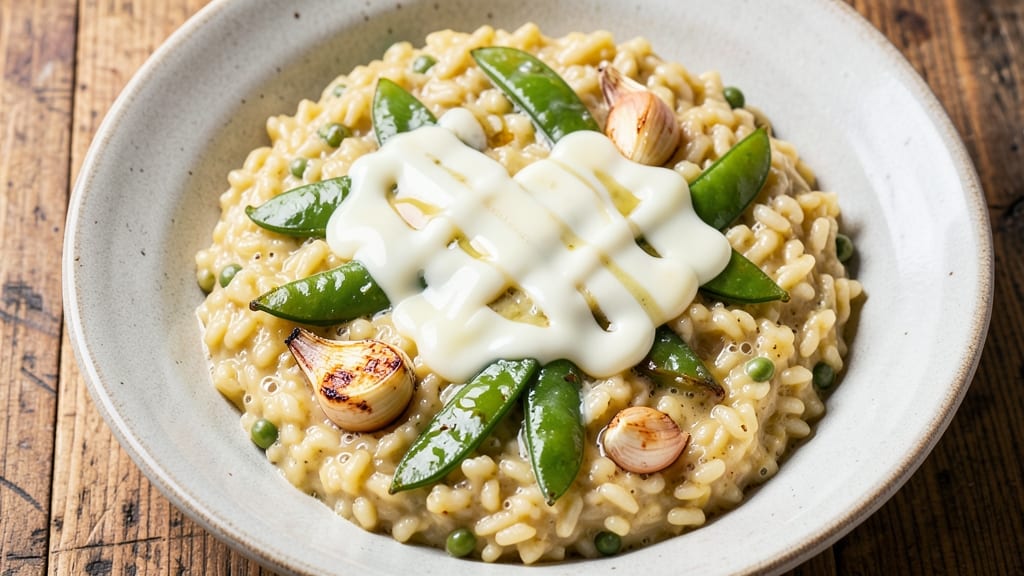
This broad bean risotto recipe transforms simple Arborio rice into a velvety, springtime masterpiece with tender broad beans and aromatic garlic. The secret lies in slow cooking the rice with white wine and vegetable stock, allowing each grain to absorb flavor while maintaining its signature al dente bite.
Toasted garlic adds a nutty crunch that cuts through the creamy texture, while fresh herbs elevate every spoonful.
What sets this recipe apart is the balance between traditional techniques and modern twists—think alloro bay leaf for depth, roasted broad beans for texture, and optional truffle oil for luxury. The dish is naturally vegetarian, though plant-based butter and nutritional yeast can easily make it vegan.
Each step builds on the last, ensuring a restaurant-quality result without the fuss of complicated methods.
The final risotto will be rich and creamy with just the right amount of resistance, each bite bursting with broad bean sweetness and garlic aroma. The golden-brown crust at the bottom adds another layer of texture, making this more than just a side dish—it’s a springtime celebration in a bowl.
Perfect for special occasions or an elevated weeknight dinner.
Pair with a crisp white wine or fresh arugula salad to complete the meal. The recipe scales beautifully, so you can easily adjust for guests. Let’s create this springtime favorite together—where every ingredient plays its part in harmony.
Ingredients for broad bean risotto
Simple ingredients transform into a luxurious springtime risotto with creamy texture and vibrant flavors.
| Ingredient | Amount | Notes |
|---|---|---|
| Arborio Rice 🍚 | 1 ½ cups | Unrinsed, medium-grain preferred |
| Fresh Broad Beans 🌱 | 1 ½ cups | Shells removed, blanched |
| Garlic Cloves 🧄 | 6 whole | Peeled, half toasted |
| Vegetable Stock 💧 | 4 ½ cups | Low-sodium, hot |
| Dry White Wine 🍷 | ½ cup | Sauvignon Blanc or Pinot Grigio |
| Unsalted Butter 🧈 | ½ cup | Cold, cubed |
| Fresh Parsley 🌿 | ¼ cup | Chopped, flat-leaf preferred |
| Fresh Alloro Bay Leaf 🌿 | 1 whole | Dried if unavailable |
| Extra-Virgin Olive Oil 🫒 | 2 tbsp | Light, fruity variety |
| Truffle Oil 🍄 | 1 tsp | Optional, for garnish |
| Sea Salt 🧂 | 1 ½ tsp | Diamond Crystal preferred |
| Black Pepper 🌶️ | ½ tsp | Freshly ground |
| Lemon Zest 🍋 | 1 tbsp | From organic lemon |
The Arborio rice is non-negotiable—its high starch content creates that signature creamy texture. Lundberg Family Farms or any reputable Italian brand works best, and don't rinse it before cooking. Fresh broad beans add sweetness and texture, so local farmers markets often have the best quality in spring. If you can't find them fresh, frozen works in a pinch—just thaw and pat dry. The garlic deserves special attention: toast half of the cloves in olive oil until golden for that nutty crunch, then finely mince the rest for cooking. For the vegetable stock, Imagine or Pacific Foods brands are reliable for flavor without excess sodium.
No Arborio rice? Carnaroli rice is the next best option, though slightly pricier. Short on broad beans? Substitute blanched asparagus tips or peas, but reduce the amount to 1 cup to avoid overpowering the dish. White wine substitute? Dry vermouth or extra vegetable stock with a splash of lemon juice works surprisingly well. The alloro bay leaf is key for that Mediterranean depth—if unavailable, substitute 1/4 tsp dried bay leaf. For the butter, European-style unsalted like Plugrá melts more smoothly. Truffle oil is optional but adds a luxurious touch—Maille or La Tourangelle are solid choices if you want to splurge.
Risotto reheats beautifully—just add a splash of stock or water and warm gently. The dish tastes even better the next day once flavors meld. Store leftovers in an airtight container for up to 3 days in the fridge. For longer storage, freeze portions for up to 3 months. To prep ahead, toast the garlic and blanch the broad beans in advance, then store separately until ready to cook. The butter and stock can be pre-warmed to save time during the actual cooking process.
Why You'll Love This Recipe
- Here’s what sold me: this recipe stretches farther than you’d think. The next day, toss cold risotto with a fried egg and crusty bread for a killer breakfast, or reheat it with a splash of stock for a quick lunch. Plus, Arborio rice and broad beans are cheaper than you’d guess—no fancy ingredients, just smart flavors.
- No Fuss, No Stress: I swear by this risotto because it’s the kind of dish that lets you multitask—simmering Arborio rice while you shuck broad beans (or grab frozen ones in a pinch) and toast garlic in the same pan. The wine deglazes itself, and the stock? Just keep it warm. That’s it.
- Earthy Luxury in a Bowl: Between us, broad beans add this unexpected richness—like a buttery, slightly sweet hug—that Arborio rice soaks up beautifully. The garlic? Sizzled until it’s golden but not burnt, because we’re not making bitter risotto here. It’s the kind of flavor that makes you pause mid-bite.
- Weeknight to Weekend: Honestly, this risotto works for everything—throw it together for a lazy Tuesday dinner, bring it to a potluck (it reheats like a dream), or serve it at your next dinner party when you want to look like you tried. The beans add freshness, the wine adds sophistication, and the rice? Always a crowd-pleaser.
Step-by-step instructions for broad bean risotto
Master this springtime risotto with creamy texture and toasted garlic crunch using precise techniques.
Toast Half the Garlic and Blanch the Broad Beans
Heat a dry skillet over medium heat. Add 3 of the peeled garlic cloves and toast until golden brown and fragrant, about 3-4 minutes. Remove and set aside, reserving the garlic oil in the pan. In a separate pot of boiling salted water, blanch the 1.5 cups fresh broad beans for 2 minutes until tender but still vibrant green. Drain immediately and plunge into ice water to stop cooking. Drain again and set aside.
This initial step creates two key components: aromatic toasted garlic for depth and perfectly blanched broad beans that will add fresh spring brightness to your risotto. The ice bath prevents overcooking while preserving their delicate texture.
Build the Risotto Base with Wine and Stock
In a large, heavy-bottomed pot, heat 2 tablespoons extra-virgin olive oil over medium heat. Add the remaining 3 peeled garlic cloves and sauté for 30 seconds until fragrant but not browned. Add the 1.5 cups unrinsed Arborio rice and stir to coat in the oil for 1 minute until translucent.
Pour in the 0.5 cup dry white wine and stir constantly until completely absorbed. Begin adding the 4.5 cups hot vegetable stock ½ cup at a time, stirring frequently after each addition. This gradual process creates the signature creamy texture by releasing starches from the rice.
Cook the Risotto to Al Dente Perfection
Continue adding stock and stirring every 3-4 minutes until the rice is al dente with about 10 minutes of cooking time remaining. The rice should be tender but still slightly firm to the bite with a creamy coating. Add the 1 whole fresh alloro bay leaf during cooking to infuse subtle herbal notes.
About 5 minutes before finishing, stir in the blanched broad beans and the toasted garlic cloves. This timing ensures the beans heat through without becoming mushy while the garlic maintains its crisp texture. Keep the risotto over low heat while you prepare the final elements.
Finish with Butter and Seasonings
Remove the pot from heat and stir in the 0.5 cup cold unsalted butter and 0.25 cup chopped fresh parsley until fully incorporated. The butter adds luxurious creaminess while the parsley brightens the dish. Season with 1.5 teaspoons sea salt and 0.5 teaspoon freshly ground black pepper, adjusting to taste.
Finally, stir in the 1 tablespoon lemon zest and 1 teaspoon truffle oil (if using). The lemon zest adds a refreshing acidity that cuts through the richness, while the truffle oil provides an elegant earthy aroma. Cover the pot and let the risotto rest for 2 minutes to allow the flavors to meld.
Pro Tips For Making Broad Bean Risotto
- TOAST THE RICE FIRST: Heat your dry Arborio rice in a dry pan for 2-3 minutes until it smells nutty and the edges turn translucent. This step removes excess starch upfront, so your risotto doesn’t turn gluey later—especially important when you’re adding broad beans, which release extra moisture.
- PEEL BEANS IN BATCHES: Broad beans are stubborn—don’t try to peel them all at once. Work in small piles with a paring knife, and always cut the pod lengthwise first to expose the bean. I learned this the hard way: forcing it leads to smashed beans and a mushy risotto.
- STIR LIKE YOU MEAN IT: The first 5 minutes of cooking rice are the most critical. Use a wooden spoon and stir vigorously in figure-eights to release starch evenly. If you’re lazy (like me), set a timer—every 30 seconds counts, or you’ll end up with al dente rice hiding in a soup.
- SAVE THE BEAN LIQUOR: After blanching broad beans, reserve the cooking water—it’s packed with flavor. Use it to deglaze the pan after toasting the garlic, then reduce it slightly before adding stock. It cuts down on stock needed and adds depth without extra effort. (Yes, even if it looks weird.)
Wine and beer pairings for this broad bean risotto
Crisp White Wines
For this bright, herbaceous risotto, I always reach for a dry Italian white wine with crisp acidity and citrus notes. A Vermentino from Sardinia or Pinot Grigio from Alto Adige mirrors the lemon zest and alloro bay leaf flavors beautifully.
Their mineral finish cuts through the dish's creaminess without overpowering the broad beans. 🍷
Light-Bodied Reds
If you prefer red wine, opt for a light-bodied Italian variety like Valpolicella Classico or Chianti. These wines offer subtle earthy notes that complement the garlic and truffle oil while avoiding the heaviness of bold reds.
Serve slightly chilled to enhance their freshness and let them shine against the risotto's springtime brightness.
Sparkling Pairings
A dry Prosecco or Italian sparkling wine like Franciacorta adds effervescence that cleanses your palate between bites. The bubbles highlight the risotto's creamy texture while the wine's slight sweetness balances the dish's acidity. This pairing works especially well for spring celebrations or special occasions.
Beer Complements
For beer lovers, a crisp Italian lager like Peroni or Moretti provides a neutral canvas that lets the risotto's flavors shine. Alternatively, a Belgian witbier with its citrus and coriander notes creates an interesting contrast. Avoid heavy IPAs or stouts that could overwhelm the delicate dish.
Non-Alcoholic Options
Sparkling Italian blood orange soda like San Pellegrino Aranciata Rossa offers a refreshing alternative. For something more substantial, try a cucumber-mint infused water with a splash of lemon juice and ice. The cooling effect complements the warm risotto perfectly while keeping the springtime theme intact.
Serving Temperature
Serve your wine or beer at 45-50°F for whites and sparkling options, while reds should be slightly cooler than room temperature at 55-60°F. Chilling enhances the acidity and freshness, making each sip feel like a refreshing counterpoint to the rich risotto.
Let your glass breathe for 5-10 minutes before pouring to release optimal aromas.
Nutrition facts
Frequently asked questions
Can I substitute fresh broad beans with canned?
Yes, but with adjustments! Use 1 (15 oz) can drained broad beans instead of fresh, but reduce the amount to 1 cup to avoid overpowering the risotto. Drain and rinse well to remove excess sodium, then pat dry before adding. For best texture, warm them gently in the risotto during the last 5 minutes of cooking.
How do I prevent my risotto from turning out dry?
The key is patience and proper stock ratios! Always use 4.5 cups hot stock (not cold) and add it ½ cup at a time while stirring constantly. If the rice seems dry before finishing, add 2-3 tablespoons warm stock at a time. Never rush the cooking—Arborio rice needs 18-20 minutes total to reach perfect creaminess.
What's the secret to that perfect creamy texture?
Three things: stirring, heat control, and butter timing! Stir frequently to release starches, but don't let it boil. When adding the final ½ cup butter, remove from heat first—this creates an emulsified sauce. The cold butter also helps thicken the risotto beautifully while keeping it velvety.
Can I make this risotto vegan?
Simply replace the butter with ½ cup vegan butter or olive oil, and use nutritional yeast instead of Parmesan. For extra richness, stir in 2 tablespoons cashew cream at the end. The lemon zest and truffle oil (if using) already make this dish vegan-friendly—just check your stock for animal products if needed.
Why does my risotto taste bland?
Most likely, you need more acidity or seasoning! Boost flavor by adding 1 extra tablespoon lemon zest or a splash of white wine vinegar at the end. Taste as you go—risotto should be seasoned gradually. Also check your stock: low-sodium versions need extra ½ teaspoon salt per cup. Fresh herbs (like parsley) and toasted garlic are flavor powerhouses too!