
Side Dishes
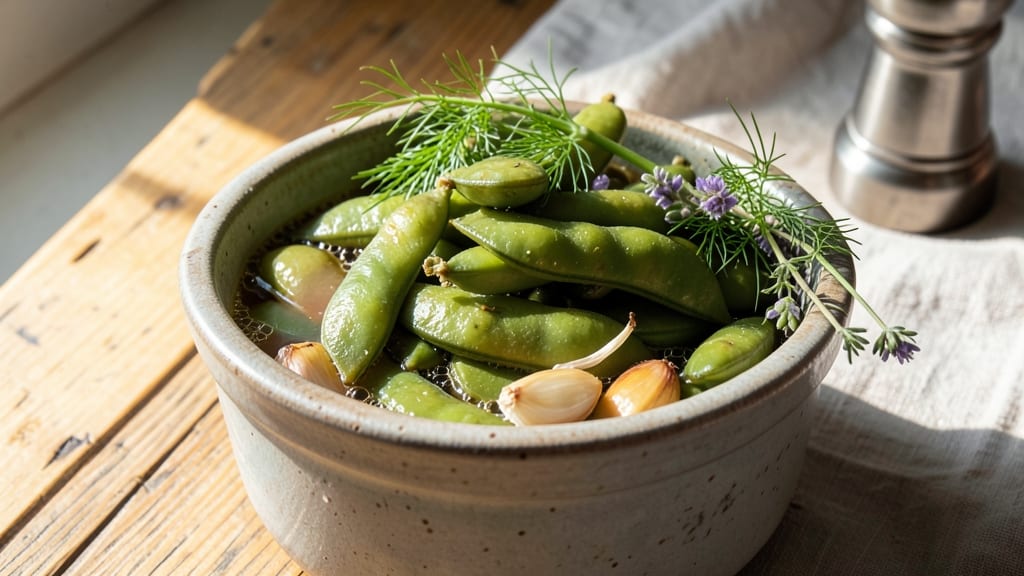
This broad bean pickle recipe transforms humble beans into a vinegar-bright condiment that bridges tradition and convenience. The process begins with blanching fresh broad beans to preserve their tender texture, then immersing them in a tangy brine of apple cider vinegar, garlic, and aromatic herbs.
What sets this version apart is the careful balance of acidity, subtle sweetness from a touch of honey, and just enough heat from red pepper flakes to create a pickle that's complex yet approachable.
The beauty of this recipe lies in its versatility—whether you follow the classic fermentation method for deeper flavor development or opt for a quick-pickle variation using store-bought brine. Each method delivers a product that's perfect for elevating charcuterie boards, pairing with crusty bread, or serving alongside roasted meats.
The herbs (thyme, bay leaves, and dill) infuse the beans with earthy depth, while the garlic adds a pungent backbone that ties everything together.
What you'll achieve is a jar of broad bean pickle with crisp-tender beans bathed in a glossy, aromatic liquid that's both vibrant and sophisticated. The vinegar brightens the beans' natural sweetness, while the herbs and garlic create layers of flavor that evolve over time.
This isn't just a side dish—it's a flavor multiplier that transforms simple meals into something memorable.
Whether you're preserving a summer harvest or creating a pantry staple for year-round use, this recipe delivers professional-quality results with minimal effort. The key lies in patience—allowing the flavors to meld during the pickling process—and precision in balancing the brine components.
Let's get started on creating your own batch of this versatile, restaurant-worthy condiment.
Ingredients for broad bean pickle
These twelve ingredients transform simple broad beans into a sophisticated, vinegar-bright condiment perfect for elevating any meal.
| Ingredient | Amount | Notes |
|---|---|---|
| Fresh Broad Beans 🌱 | 2 cups | Shell and blanch for 2 minutes |
| Apple Cider Vinegar 🍎 | 1 ½ cups | Raw and unfiltered preferred |
| Garlic Cloves 🧄 | 6 cloves | Thinly sliced for infusion |
| Fresh Dill 🌿 | ¼ cup | Chopped, stems removed |
| Fresh Thyme 🌿 | ¼ cup | Leaves only, finely chopped |
| Bay Leaves 🌿 | 2 whole | Dried or fresh |
| Red Pepper Flakes 🌶️ | 1 tsp | Adjust for desired heat |
| Honey 🍯 | 1 tbsp | Raw preferred for purity |
| Sea Salt 🧂 | 1 ½ tbsp | Diamond Crystal preferred |
| Water 💧 | 1 cup | Filtered preferred |
| Black Peppercorns 🌶️ | 10 whole | Crushed lightly |
| Mustard Seeds 🌾 | ½ tsp | Yellow or brown preferred |
The broad beans are the foundation—fresh is non-negotiable for that crisp-tender texture after pickling. Look for pods that are firm and vibrant green, not wilted or discolored. Whole Foods or local farmers markets typically carry the best quality during late spring and summer. If you can't find fresh broad beans, frozen shelled beans work in a pinch, though texture will differ slightly. The apple cider vinegar should be raw and unfiltered for optimal flavor complexity—Bragg or local artisan brands are excellent choices. Thyme and dill should be fresh if possible, as dried versions lack the bright, aromatic punch this recipe demands.
No fresh dill? Dried dill at one-third the amount will suffice, though flavor intensity will be reduced. Substitute tarragon for thyme if needed, though the flavor profile will shift slightly. For a sweeter brine, increase honey to 2 tablespoons, or reduce to 0.5 tablespoon for a sharper tang. The mustard seeds add subtle depth—omit if you prefer a cleaner flavor profile. Red pepper flakes can be replaced with crushed cayenne at half the amount for a more concentrated heat. If you're fermenting instead of quick-pickling, reduce vinegar to 1 cup and add 1 tablespoon of sea salt to the brine for proper fermentation.
Store the broad bean pickle in a sterilized glass jar with an airtight lid in the refrigerator for up to 3 months. The flavors deepen over time, so wait at least 48 hours before tasting. For longer storage, transfer to the freezer where it'll keep for 6 months. The brine can be reused for quick-pickling other vegetables if strained through a fine-mesh sieve. To serve, scoop beans and a generous spoonful of the aromatic liquid—it's that simple, yet transformative.
Why You'll Love This Recipe
- No-Fuss Prep: I swear by this one—just shell the beans, blanch them for two minutes, then toss with vinegar, garlic, and herbs. No peeling, no fussing, and honestly? The results feel like you spent hours.
- Herb-Packed Punch: That tangy vinegar cuts through the beans’ natural sweetness while the garlic and thyme add layers I can’t get enough of. The dill? It’s the cherry on top—bright, fresh, and impossible to resist.
- Snack Attack Ready: Between us, this pickle is my go-to for lazy afternoons or when I need something quick to toss in a sandwich. It’s also weirdly satisfying straight from the jar—no judgment here.
- Budget Brightener: Fresh broad beans are often cheaper than canned, and this recipe stretches them far. Plus, the vinegar and herbs last forever, so you’re not buying new stuff every time. Smart, simple, and always welcome.
Step-by-step instructions for vinegar-bright broad bean preservation
Transform fresh broad beans into a vibrant, herbaceous preserve with this precise technique.
Blanch and Prepare the Broad Beans
Bring a pot of salted water to a rolling boil and add the 2 cups fresh broad beans. Blanch for exactly 2 minutes—this preserves their bright green color while softening them just enough for preservation. Immediately drain and transfer to an ice bath to halt cooking and maintain crisp texture.
While still cold, peel the beans by slipping off the skins with your fingers or a small paring knife. Discard the skins and any discolored beans. The beans should remain vibrant green with no yellowing. This blanching step is critical—overcooking turns them mushy and dulls the final product's visual appeal.
Create the Herb and Spice Infusion
In a separate saucepan, combine the 1.5 cups apple cider vinegar, 1 cup water, and the 1.5 tbsp sea salt. Bring to a gentle simmer over medium heat, then reduce to low. Add the 6 cloves thinly sliced garlic, 2 whole bay leaves, 10 lightly crushed black peppercorns, and 0.5 tsp mustard seeds. Let this infusion steep for 10 minutes, allowing the aromatics to fully release their flavors into the liquid.
Strain the infusion through a fine-mesh sieve into a clean bowl, pressing gently on the solids to extract maximum flavor. Discard the solids. The liquid should now carry deep herbal notes with a subtle garlic warmth. This aromatic base forms the foundation of your pickle's complex flavor profile.
Combine and Sweeten the Preservation Mixture
Return the strained vinegar infusion to the saucepan and add the 1 tbsp honey, stirring until completely dissolved. Remove from heat and let cool to room temperature. This cooling step prevents the beans from cooking further when added to the hot liquid.
While the mixture cools, combine the 0.25 cup chopped fresh dill and 0.25 cup finely chopped fresh thyme in a small bowl. Add the 1 tsp red pepper flakes and mix thoroughly. This herb blend will contribute vibrant color and layers of flavor to the finished pickle.
Assemble and Preserve the Broad Beans
Transfer the cooled beans to a clean, sterilized quart-sized mason jar. Add the herb-spice mixture, ensuring the beans are fully coated. The liquid should completely cover the beans by about 1 inch—this prevents mold growth during storage.
Seal the jar tightly and let it sit at room temperature for 24 hours. This initial resting period allows the flavors to begin melding. After 24 hours, refrigerate the jar. The pickles will continue developing flavor over the next 3-5 days, reaching peak flavor at about 1 week. The final product should have a bright green hue with visible herb flecks and a tangy-sweet balance.
Pro Tips For Making Broad Bean Pickle
- BLANCH BEANS FIRST: Skip the raw beans—give them a 3-minute blanch in boiling water before pickling. This softens them just enough to absorb the vinegar and herbs without turning mushy later. I learned this the hard way after a batch of tough, undercooked beans ruined the texture.
- USE RAW GARLIC: Don’t crush or mince the garlic—leave those cloves whole and slightly bruised. They’ll infuse flavor without overpowering, and you’ll actually taste them in every bite. (Yes, even if you’re impatient to chop everything.)
- PACK TIGHTLY, THEN WEIGHT: Jam the beans into the jar as snugly as possible, then top with a small plate or cabbage leaf to keep them submerged under the vinegar. Air gaps = soggy beans. I used to skip this, and half my batches turned out watery.
- LET IT CURDLE: Wait 24 hours before tasting—don’t rush it. The flavors need time to meld, and the vinegar will mellow. I was skeptical until I tried it; now I refuse to eat it any sooner. (Your patience pays off.)
Health benefits of this dish
Digestive Health Booster
Broad beans are an excellent source of soluble fiber, which supports healthy digestion by promoting regularity and feeding beneficial gut bacteria.
The 2 cups of broad beans in this recipe provide about 12 grams of fiber—roughly 40% of your daily needs—helping to prevent constipation and maintain a balanced microbiome. The fermentation process (if you opt for a lacto-fermented version) further enhances gut health by introducing probiotics. 🌱
Rich in Plant-Based Protein
Each serving of this broad bean pickle delivers 15 grams of plant-based protein, making it an ideal choice for vegetarians or anyone looking to reduce meat consumption.
The protein content comes from the beans themselves, which also contain all nine essential amino acids, though in smaller amounts than animal proteins. Pairing this pickle with whole-grain bread or cheese creates a complete protein profile for a satisfying meal.
Antioxidant Powerhouse
The vibrant green color of broad beans signals their high antioxidant content, particularly vitamin C and flavonoids, which combat oxidative stress and inflammation. The apple cider vinegar used in the brine also contains acetic acid, a compound linked to improved insulin sensitivity and lower blood sugar levels.
Together, these ingredients create a flavorful dish that also supports long-term health.
Low-Calorie, High-Flavor Condiment
With only about 80 calories per serving, this broad bean pickle is a guilt-free way to add depth to meals without excess calories. The vinegar and herbs contribute minimal calories while delivering bold flavors, making it perfect for those watching their weight.
The honey adds just enough sweetness to balance the tang without significant caloric impact.
Bone-Strengthening Minerals
Broad beans are packed with calcium, magnesium, and phosphorus, essential minerals for maintaining strong bones and teeth. The 1.5 tbsp of sea salt in the brine also provides trace minerals like sodium and potassium, which help regulate fluid balance and nerve function.
For an extra boost, add a pinch of turmeric to the brine for its anti-inflammatory properties and additional mineral content.
Blood Sugar Regulation
The combination of fiber, protein, and vinegar in this pickle helps stabilize blood sugar levels, making it a smart choice for those managing diabetes or insulin resistance.
The apple cider vinegar has been shown to improve glucose metabolism, while the broad beans' low glycemic index ensures a gradual release of energy. This makes the pickle a satisfying addition to meals without spiking blood sugar. 💪
Nutrition facts
Frequently asked questions
Can I use dried broad beans instead of fresh?
While fresh broad beans are ideal for this recipe, you can use dried beans with a few adjustments. Soak them for 12 hours first, then boil for 10 minutes to soften before blanching. The texture will be slightly firmer, but the flavor remains excellent. Just ensure the beans are fully hydrated before pickling.
How long will this pickle last in the fridge?
Properly stored in an airtight jar, this broad bean pickle stays fresh for up to 3 months in the refrigerator. The flavors actually improve over time, so wait at least 48 hours before tasting. For longer storage, freeze for up to 6 months—just thaw in the fridge overnight.
Can I make this without vinegar?
Traditional fermentation is possible! Replace the vinegar with 1 cup water + 1 tbsp sea salt for lacto-fermentation. Add 1 tbsp whey or lemon juice to help preserve the beans. Store at 60-70°F for 5-7 days, then refrigerate. The flavor will be tangier and more complex, but requires more attention to temperature control.
What's the best way to serve these pickled beans?
These pickles shine on charcuterie boards with aged cheeses and crusty bread, or as a topping for grilled meats and salads. Try them in sandwiches for a tangy crunch, or mix into grain bowls. The herby brine also pairs beautifully with roasted vegetables or as a side to fish dishes.
Why did my broad beans turn mushy?
Over-blanching or using old beans causes mushiness. Stick to exactly 2 minutes of blanching, and always use fresh, firm beans. For extra crispness, add 1 tsp baking soda to the blanching water—it helps preserve texture. Also ensure your beans are fully submerged during blanching to prevent uneven cooking.