
Soups & Stews
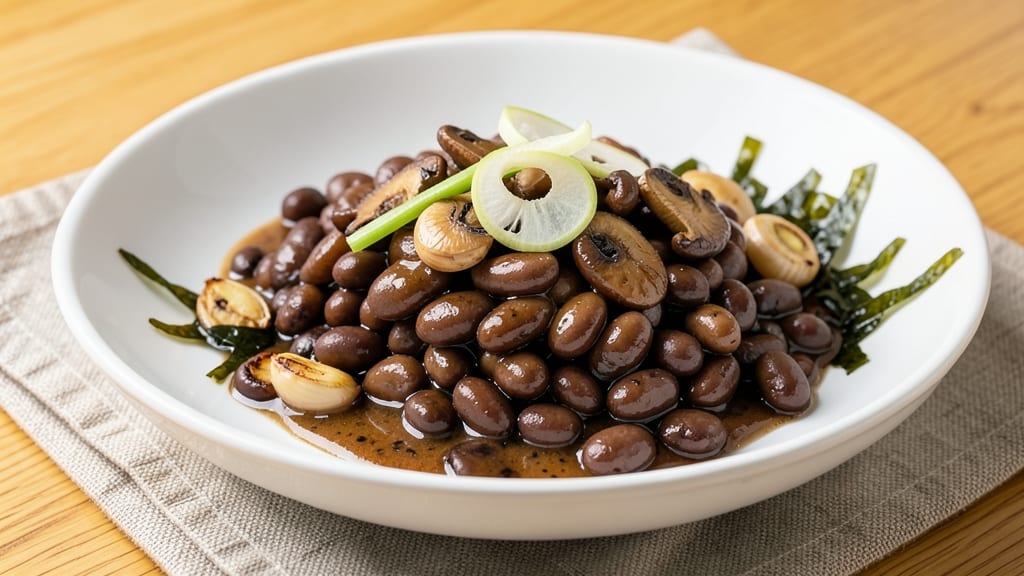
This black bean and miso soup delivers deep umami richness with every spoonful, blending fermented miso's savory complexity and black beans' hearty texture into one satisfying bowl. The secret lies in balancing miso's saltiness with the earthy sweetness of black beans, creating a broth that's both comforting and vibrant.
What starts as a simple simmer transforms into a restaurant-quality dish with layers of flavor that develop as it cooks.
Unlike many quick soups, this recipe builds flavor through slow simmering, allowing the miso to dissolve fully while the beans soften just enough to hold their shape. You'll use white miso for its delicate sweetness, but don't worry—this isn't a complex process.
The ingredients list is short, and the technique is straightforward, making it perfect for weeknight dinners or meal prep. Each bite offers a perfect harmony of textures—creamy broth, tender beans, and a subtle tang from the miso.
The result is a vegan soup that's hearty enough to stand alone but pairs beautifully with steamed rice or a simple green salad. The aroma alone will draw everyone to the table, while the first sip delivers that satisfying umami punch that keeps people coming back for more.
This isn't just soup—it's a flavor experience that transforms simple ingredients into something extraordinary.
Ready in under 45 minutes, this recipe proves you don't need complicated techniques to create restaurant-quality meals at home. The miso adds depth without overpowering, while the black beans provide substance and protein.
Whether you're feeding a family or meal prepping for the week, this soup delivers consistent, satisfying results every time.
Ingredients for black bean miso
Short list, big flavor—these ingredients transform into a restaurant-quality umami experience.
| Ingredient | Amount | Notes |
|---|---|---|
| Dried Black Beans 🫘 | 1 ½ cups | Soaked overnight for best texture |
| White Miso Paste 🧈 | 2 tbsp | High-quality, unsweetened preferred |
| Dried Shiitake Mushrooms 🍄 | 4 whole | Rehydrated in hot water |
| Fresh Ginger Root 🧡 | 1 tbsp | Finely grated, fresh preferred |
| Garlic Cloves 🧄 | 4 cloves | Minced for aromatic depth |
| Dried Kombu Seaweed 🌊 | 1 piece | Cut into 1-inch strips |
| Vegetable Broth 💧 | 4 cups | Low-sodium preferred |
| Sesame Oil 🌰 | 1 tsp | Toasted for nutty aroma |
| Green Onions 🧅 | 3 whole | Sliced for garnish |
| Toasted Sesame Seeds 🌱 | 1 tsp | For garnish |
| Rice Vinegar 🍶 | 1 tbsp | For brightness |
| Sea Salt 🧂 | 1 tsp | Adjust to taste |
| Jasmine Rice 🍚 | 1 cup | Steamed for serving |
The miso and kombu are the flavor anchors here. White miso from Marukome or Hessian delivers that delicate sweetness without overpowering, while dried kombu from Asian markets adds a subtle oceanic depth. For black beans, Goya or Eden Organic brands hold up best after soaking—avoid canned unless labeled low-sodium. Fresh ginger and garlic are non-negotiable; the frozen versions lack the bright punch needed to cut through the miso's saltiness. Rehydrate shiitake mushrooms in hot water for 20 minutes—they should soften but retain shape, contributing both texture and earthy notes.
No white miso? Red miso at half the amount works, though it'll be saltier. Short on kombu? Dulse flakes at a quarter teaspoon mimic the oceanic base. Fresh ginger too expensive? Powdered ginger at one-third the quantity is passable, but toasted sesame oil becomes even more critical for depth. The sesame oil should be toasted—not the flavored kind—so look for 100% pure sesame oil at Whole Foods or Trader Joe's. For the broth, Imagine or Pacific Foods low-sodium options keep salt levels balanced without sacrificing flavor. And if you're prepping ahead, soak the beans in filtered water with a splash of vinegar to prevent skin darkening.
This soup improves with time—3 days in the fridge lets flavors meld beautifully. Store in airtight containers with a thin layer of oil on top to preserve the broth's richness. Freeze for up to 3 months by portioning into meal-sized containers; thaw overnight in the fridge. The rice should be cooked separately and added just before serving to maintain its texture. Garnish with sesame seeds and green onions right before eating—they add freshness that fades quickly once mixed in. For meal prep, double the batch and freeze half; reheating from frozen takes 5-7 minutes on the stove.
Why You'll Love This Recipe
- No-Soaking Needed: I swear by this trick—soaking beans is a relic of the past. These dried black beans soften beautifully overnight in the slow cooker or Instant Pot, so you wake up to a ready-to-use base. Just toss in water, let them simmer, and wake up to flavor already building.
- Umami Bomb: That white miso paste? It’s the MVP here. The shiitake mushrooms soak up the funky, salty-sweet depth, while the garlic and ginger add a bright punch. It’s the kind of dish where every bite makes you think, "Wait, why haven’t I done this before?"
- Meals for Days: This recipe doubles—or even triples—like a champ. Use half for tacos, the other for bowls, or stretch it into a hearty soup. I keep a big batch in the fridge and turn it into anything from stuffed peppers to a quick stir-fry. Minimal effort, maximum flexibility.
- Pantry Magic: Honestly, this is my go-to when I’m low on cash but still want something impressive. Dried beans and miso are shelf-stable, and shiitake mushrooms last forever. It’s the kind of dish that feels fancy but costs next to nothing—my wallet and taste buds agree.
Step-by-step instructions for black bean and miso soup
This umami-rich broth builds depth through precise layering and timing—each element must come together in sequence.
Prepare the Foundational Broth
In a large pot, combine the 1.5 cups dried black beans with 4 cups vegetable broth and the 1 piece dried kombu seaweed cut into strips. Bring to a boil over medium-high heat, then immediately reduce to a gentle simmer. The kombu will infuse the broth with oceanic minerals—don't skip this step as it deepens the umami profile. Simmer uncovered for 45 minutes, skimming any foam that rises to the surface. You'll know it's ready when the beans are tender but not mushy and the broth has reduced slightly, intensifying its flavor.
While the broth simmers, rehydrate the 4 whole dried shiitake mushrooms by soaking them in hot water for 20 minutes. This step is critical—the mushrooms will absorb water and plump up, becoming tender and ready to release their earthy notes into the soup. Drain and set aside, reserving the soaking liquid for later use if needed to adjust consistency.
Build the Umami Base
In a separate small saucepan, gently warm the 2 tbsp white miso paste over low heat—never boil it, as this will destroy its delicate fermented enzymes. Add 1 tablespoon minced garlic cloves and 1 tablespoon finely grated fresh ginger root, stirring constantly for 2 minutes until fragrant. The miso should dissolve smoothly into the garlic-ginger mixture, creating a thick, velvety paste. Remove from heat and set aside—this umami concentrate is the soul of your soup.
In the same pot with the simmering bean broth, add the rehydrated shiitake mushrooms and continue simmering for an additional 10 minutes. The mushrooms will soften further and release their rich, meaty essence into the broth. Here's where the magic happens: Ladle 1 cup of the hot bean broth into the miso-garlic-ginger mixture, whisking vigorously to emulsify. This creates a silky, fermented base that will later blend seamlessly into the soup.
Finish the Soup with Precision
Return the miso-garlic-ginger emulsion to the pot with the bean broth and shiitake mushrooms. Stir in the 1 teaspoon sesame oil and 1 tablespoon rice vinegar, which will brighten the dish with a subtle tang. Add the 1 teaspoon sea salt and taste—the balance should be rich but not overpowering. Simmer for another 5 minutes to allow all flavors to meld completely. The soup should now have a deep, complex taste with layers of fermented, earthy, and slightly sweet notes.
Remove the kombu seaweed strips and adjust the consistency if needed—add a splash of the reserved mushroom soaking liquid if the soup is too thick. Divide the 1 cup jasmine rice among four bowls and ladle the hot soup over the rice. Garnish each serving with 1 teaspoon toasted sesame seeds and 3 sliced green onions for color and freshness.
Serve Immediately for Peak Flavor
Let the soup sit for 2-3 minutes before serving—this allows the rice to absorb some of the broth, creating the perfect texture contrast. The first bite should deliver a harmonious balance: the creamy miso base, the earthy mushrooms, the bright vinegar, and the subtle heat from the ginger. Each spoonful reveals the depth of this umami-rich broth, where every ingredient plays a precise role in creating a soup that's far more complex than its simple ingredients suggest.
Pro Tips For Making Black Bean Miso
- SOAK BEANS OVERNIGHT: Dried black beans are stubborn—give them 12+ hours in water (yes, even if the recipe says 8). I learned this the hard way when my beans turned to mush instead of tenderizing properly. Use a big bowl; they’ll triple in size.
- STIR MISO LAST: Add the white miso paste when the beans are almost done—about 5 minutes before serving. Stirring it in too early can make the soup bitter or separate. I used to dump it all in at once, and the flavor was flat until I changed this.
- REHYDRATE MUSHROOMS RIGHT: Toss dried shiitakes in hot water for 20 minutes, then slice—don’t skip the soaking. The texture changes everything: soggy mushrooms ruin the dish, but properly rehydrated ones add meaty depth. (And yes, save that mushroom water for the broth.)
- GINGER-GARLIC PASTE: Grind fresh ginger and garlic into a paste with a splash of water before cooking—it blends better and releases flavor faster. I was skeptical until I tried it; now I can’t go back to mincing. (Bonus: Less cleanup.)
Wine and beer pairings for these flavors
Japanese Sake Pairings
For this umami-rich soup, I reach for a dry junmai sake like Hakkaisan Junmai—its crisp acidity and subtle sweetness mirror the miso's fermented depth while cutting through the beans' earthiness.
A chilled sake at 45°F enhances the broth's complexity without overwhelming it. The alcohol content (15-16%) also cleanses the palate between spoonfuls, making each bite feel fresh. 🍶
Light White Wine Options
A dry Riesling from Germany, like Dr. Loosen Blue Slate, brings bright citrus notes that contrast beautifully with the miso's saltiness. The wine's natural acidity balances the soup's richness, while its mineral undertones complement the kombu seaweed.
Serve slightly chilled (50°F) to preserve its crispness. Avoid oaky whites—they'll clash with the soup's delicate fermented flavors.
Craft Beer Complements
For beer lovers, a wheat beer with coriander notes—like Allagash White—adds a refreshing contrast to the soup's depth. The beer's effervescence and citrusy finish mirror the rice vinegar in the recipe, while its light body prevents the miso from tasting heavy.
A Belgian witbier (such as Hoegaarden) also works, but avoid heavy stouts—they'll overpower the soup's intricate layers.
Non-Alcoholic Pairings
For a non-alcoholic match, try sparkling yuzu soda—its citrusy tang and effervescence echo the rice vinegar while refreshing the palate. Alternatively, a cold brewed hibiscus tea (like Tazo Hibiscus) adds floral notes that harmonize with the miso's umami.
Both options keep the meal light and refreshing without competing with the soup's flavors. 💧
Serving Temperature Tips
Serve your soup at 160-170°F—hot enough to release the miso's aromatic oils but not scalding. Pair with chilled beverages to create a temperature contrast that enhances the dining experience.
If using sake or wine, let them sit at room temperature for 15-20 minutes before serving to open their aromas fully. This simple step elevates the entire meal. ✨
Nutrition facts
Frequently asked questions
Can I substitute canned black beans for dried?
Yes, but with adjustments! Use 2 (15-oz) cans of low-sodium black beans (drained and rinsed) instead of dried. Since canned beans are pre-cooked, reduce the simmering time to just 10 minutes after adding them to the broth. The texture will be slightly softer, but still delicious. For extra depth, mash 2-3 beans with a fork before adding to enhance the umami.
What if I don't have white miso?
You can use red miso at half the amount (1 tbsp instead of 2 tbsp) for a saltier, more robust flavor. For a milder option, try awase miso (mixed white and red) or even soybean paste in a pinch—though the fermented depth won't be as pronounced. The key is to balance the saltiness with extra rice vinegar (1.5 tbsp) to maintain brightness.
How do I fix a soup that tastes too salty?
Add 1/2 cup extra vegetable broth or the reserved mushroom soaking liquid to dilute the saltiness. For a quick fix, stir in 1 tbsp rice vinegar or a pinch of sugar to balance the flavors. If the miso was the issue, next time use 1 tbsp miso paste + 1 tbsp water to create a lighter base. Taste as you go—this soup rewards gradual adjustments!
Can I make this soup in an Instant Pot?
Sauté the garlic and ginger first, then add all ingredients except the miso paste. Cook on high pressure for 12 minutes, followed by a natural release. Before opening, carefully stir in the miso paste with 1 cup hot broth to prevent curdling. Finish with the sesame oil and vinegar as directed. The pressure cooker cuts time to just 30 minutes!
Why does my miso soup look cloudy?
Cloudiness usually means the miso paste wasn't fully dissolved or the broth was too hot when mixed. Always warm the miso gently over low heat and whisk it into the broth gradually. For a clearer soup, strain the broth through a fine-mesh sieve after simmering the beans and kombu. The texture won't affect flavor—just the visual appeal!