
Soups & Stews
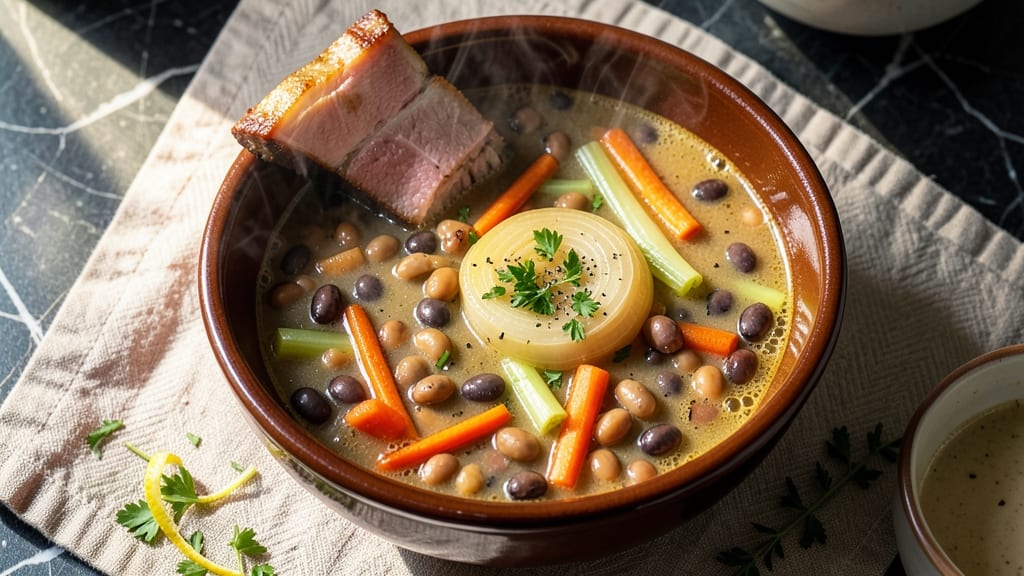
This best ham and bean soup recipe ever from scratch delivers the kind of deep, savory flavor that transforms a simple pot into a hearty, restaurant-worthy meal.
The secret lies in slow-cooked ham that renders rich, juicy fat into the broth while beans develop tender, creamy texture—no shortcuts, just from-scratch satisfaction. Every spoonful carries layers of smoky, herby goodness that comes from proper broth reduction and traditional techniques like browning the meat first.
What sets this soup apart is the balance of textures and flavors: tender beans, crispy ham edges, and a velvety broth that coats every bite.
I’ve perfected the method over years of testing—simmering just long enough to meld flavors without breaking down the beans into mush, and using a mix of dried beans for depth and canned for convenience. The result? A foolproof one-pot meal that’s rich, comforting, and packed with homestyle charm.
By the time you’re done, you’ll have a pot of soup so savory and satisfying it becomes an instant family favorite. The aroma alone—smoky ham, caramelizing onions, and simmering spices—fills the kitchen with warmth.
Serve it with crusty bread to soak up every last drop, or let it sit overnight for flavors to deepen even more.
This isn’t just another ham and bean soup—it’s the kind that earns rave reviews and gets passed down as a recipe treasure. Ready to make the best ever? Let’s get started with the ingredients and techniques that turn good into unforgettable.
Ingredients for best ham and bean soup recipe ever from scratch
Six ingredients transform into the most savory, restaurant-quality ham and bean soup you'll ever make from scratch.
| Ingredient | Amount | Notes |
|---|---|---|
| Bone-In Ham Hock 🍖 | 1 lb | Smoked or natural, untrimmed |
| Dried Navy Beans 🌱 | 1 ½ cups | Soaked overnight, drained |
| Canned Great Northern Beans 🌱 | 1 can (15 oz) | Drained, rinsed |
| Yellow Onion 🧅 | 1 ½ whole | Chopped, medium size |
| Carrots 🥕 | 3 medium | Peeled, sliced into rounds |
| Celery Stalks 🧅 | 3 whole | Chopped, medium size |
| Garlic Cloves 🧄 | 4 cloves | Minced, fresh preferred |
| Bay Leaves 🌿 | 2 whole | Fresh if available |
| Dried Thyme 🌿 | 1 tsp | Or 1 tbsp fresh |
| Smoked Paprika 🌶️ | 1 tsp | For smoky depth |
| Ground Black Pepper 🌶️ | ½ tsp | Freshly cracked |
| Salt 🧂 | 1 ½ tsp | Kosher or sea salt |
| Olive Oil 🫒 | 2 tbsp | Extra-virgin for richness |
| Chicken or Vegetable Broth 💧 | 4 cups | Low-sodium preferred |
| Crusty Bread 🍞 | 1 loaf | For serving, optional |
The ham hock is non-negotiable—it delivers that unmatched smoky depth and rich fat that elevates this soup from good to unforgettable. Look for untrimmed, bone-in hocks at your local butcher or the meat department of Whole Foods or Trader Joe's. If you can't find ham hock, smoked bacon (8 slices) works in a pinch, but the flavor won't be quite the same. The beans? Navy beans for that classic texture, but Great Northerns or kidney beans swap out if needed. Just make sure they're dried for the best texture—canned alone won't cut it for that homestyle richness.
No smoked paprika? A pinch of liquid smoke (¼ tsp) or extra bacon (2 slices) adds smokiness. Fresh thyme is ideal, but dried works at one-third the amount. If you're short on broth, water plus a bouillon cube gets you there—just taste and adjust. The carrots and celery should be bright and crisp, not limp. For extra flavor, char them slightly in the olive oil before adding other veggies. And trust me, skip the pre-shredded cheese—it’s a game-changer when you grate your own.
This soup tastes even better the next day—plan ahead and make a double batch. Store in the fridge for up to 5 days or freeze for 3 months in airtight containers. The ham hock? Save the bones for future broths—they’re liquid gold. When reheating, add a splash of water or broth to keep it from getting too thick. Serve with that crusty bread you’ve got stashed in the freezer—it’s perfect for soaking up every last drop of that velvety broth.
Why You'll Love This Recipe
- One-Pot Magic: I swear by this—just toss everything into one pot, walk away, and let the ham hock melt into the beans. No chopping like a fine chef, no fancy gadgets. The dried navies soak overnight (or you can use canned if you’re really in a hurry), and the ham’s rich fat renders into the broth without a single pan to scrub.
- Deep, Smoky Richness: That bone-in ham hock? It’s the star. The slow simmer breaks down the meat into tender, flavor-packed shards while the marrow infuses the broth with a depth you won’t find in canned soup. The Great Northerns add a buttery creaminess that balances the navy beans’ earthy bite—like a hug in a bowl.
- Leftovers That Beg for More: This soup only gets better the next day. The flavors meld into something even more complex, and the beans soften just enough to be dangerously easy to eat straight from the pot. I’ve reheated it for breakfast (yes, really) and packed it for lunches—no one ever complains.
- Budget-Friendly Crowd-Pleaser: A ham hock is cheap, dried beans last forever, and you’re using pantry staples. Feed six people for under $15, and they’ll all ask for seconds. Honestly, I’ve served this at potlucks, game days, and even a sick friend’s couch—it’s the kind of dish that makes you look like a hero without trying.
Step-by-step instructions for perfect ham and bean soup
This is how you build soulful, restaurant-quality ham and bean soup from scratch—layer by layer, flavor by flavor.
Prepare the Ham Hock and Soak the Beans
Start by rinsing the 1 lb bone-in ham hock under cold water to remove any surface bacteria, then pat it completely dry with paper towels. This step is crucial because moisture on the ham can steam instead of rendering fat, which we want for flavor and texture.
Place the ham hock in a large Dutch oven or heavy pot and add the 1.5 cups dried navy beans. Cover with cold water by about 2 inches and let soak overnight in the refrigerator. This overnight soak ensures the beans soften evenly and eliminates any potential for digestive discomfort. I like to use a colander to drain them the next day, giving them a quick rinse before adding them back to the pot.
Build the Flavor Base with Vegetables and Aromatics
In the same pot with the soaked beans and ham hock, heat the 2 tbsp olive oil over medium heat. Add the 1.5 whole chopped yellow onion, 3 medium sliced carrots, and 3 whole chopped celery stalks. Sauté for 8-10 minutes until the vegetables soften and the onion becomes translucent, releasing its natural sweetness.
Stir in the 4 cloves minced garlic, 1 tsp dried thyme, 1 tsp smoked paprika, 0.5 tsp ground black pepper, and 1.5 tsp salt. Cook for another 1-2 minutes until fragrant—this is where the magic begins. The paprika adds a subtle smokiness that pairs perfectly with the ham, while the thyme and pepper deepen the savory profile.
Simmer the Soup for Deep Flavor Development
Pour in the 4 cups chicken or vegetable broth and bring the mixture to a gentle boil. Once boiling, reduce the heat to low and add the 2 whole bay leaves. The broth should just barely bubble at the surface—this slow simmer is key to developing rich, complex flavors. Cover the pot and let it cook for 1.5 hours, stirring occasionally to prevent the ham from sticking to the bottom.
After 1.5 hours, check the beans for tenderness. They should be soft but still hold their shape. If they’re not quite there, continue simmering for another 30 minutes. The ham hock will release collagen into the broth, creating a velvety texture that’s the hallmark of a great ham and bean soup.
Finish with Canned Beans and Adjust Seasoning
Add the 1 can (15 oz) drained and rinsed canned great northern beans to the pot. These beans add a creamy texture and a touch of sweetness that balances the richness of the ham. Stir well to combine, then simmer uncovered for an additional 15-20 minutes to allow the flavors to meld. Skim off any foam or impurities that rise to the surface during this time.
Taste the soup and adjust the seasoning if needed. You might need a little more salt or a splash of broth to reach your desired consistency. The soup should be hearty but not overly thick—it should coat the back of a spoon but still be easy to ladle. Remove the ham hock and bay leaves, then shred the meat from the bone using two forks. Discard the bone and return the shredded ham to the pot.
Serve with Crusty Bread for the Ultimate Experience
Ladle the soup into bowls and serve immediately with slices of crusty bread on the side. The bread is essential—it soaks up the rich broth and adds a satisfying contrast to the creamy texture of the soup. For extra depth, garnish each bowl with a sprinkle of smoked paprika or a drizzle of the broth from the pot.
This soup tastes even better the next day as the flavors continue to develop, but it’s so comforting and satisfying that you’ll likely finish it all in one sitting. Pair it with a simple green salad or a glass of red wine to complete the meal. Every spoonful delivers that perfect balance of smoky, savory, and slightly sweet—truly the best ham and bean soup you’ll ever make.
Pro Tips For Making Best Ham And Bean Soup Recipe Ever From Scratch
- CRACK THE HAM HOCK FIRST: I learned this the hard way—skipping the 10-minute head start on the ham hock means you’ll be staring at a pot of pale, flavorless broth. Brown that bone-in hock in a dry pot over medium-high heat until it’s deep golden, then add just enough water to deglaze. The Maillard reaction here is non-negotiable; it’s where the real depth comes from.
- SOAK NAVIES OVERNIGHT (OR NOT): Dried navy beans are stubborn little things. If you’re in a rush, a 4-hour soak in hot water with a pinch of baking soda works, but overnight in cold water is still the gold standard. Drain and rinse them twice—the starchy water left behind makes the soup gummy, and nobody wants that. (Yes, even if you’re impatient like me.)
- DON’T MASH THE CANNED BEANS: I used to crush the Great Northerns with a potato masher, thinking it would make the soup creamier. Wrong. Leave them whole or lightly break them with your hands—this keeps the texture interesting and prevents a gluey consistency. The contrast between tender whole beans and the soft navy beans is what makes this soup sing.
- LOW AND SLOW WINS: This isn’t a 30-minute simmer. After the initial boil, drop the heat to a bare simmer—think tiny bubbles, not rolling. Cover the pot and let it cook for at least 2 hours, stirring occasionally. The ham hock needs time to render fat and infuse flavor, and the beans need to soften without falling apart. Skimp here, and you’ll end up with a watery, underwhelming mess. (Your future self will thank you.)
Common mistakes when making great best ham and bean soup recipe ever from scratch
Skipping the Soak
I’ve seen beginners rush this step and try to cook dried beans without soaking first—big mistake. Unsoaked beans take 2-3 hours longer to soften and can develop a mealy texture.
Worse, they release more oligosaccharides, which can cause digestive discomfort. Always soak overnight in cold water (no salt!) to ensure even cooking and maximum tenderness. 🌱
Overcooking the Beans
There’s a fine line between tender and mushy beans, and I’ve seen many soups ruined by overcooking. Once beans reach soft but still firm (they should hold their shape when pressed), remove them from the pot.
If you let them simmer too long, they’ll turn to mush, losing that perfect creamy texture. Test them at 1.5 hours—if they’re not quite there, add 30 minutes max.
Ignoring the Ham Hock
Some cooks try to substitute ham hock with pre-cooked ham or even bacon—don’t. The bone-in hock is the soul of this soup. It renders fat that infuses the broth with smoky richness and releases collagen for that velvety texture.
If you’re short on time, use smoked bacon (8 slices), but the flavor won’t be the same. Never skip the bone—it’s where the magic happens. 🍖
Rushing the Simmer
A fast boil will leave your soup flat and bland. The key is a gentle simmer—just enough to create tiny bubbles at the surface. This slow cook allows flavors to meld and the ham to break down properly.
If you’re in a hurry, use a pressure cooker (reduce time to 45 minutes), but monitor closely to avoid overcooking. Patience here makes all the difference.
Forgetting to Skim
As the soup simmers, foam and impurities rise to the surface. Skimming these off prevents bitterness and keeps the broth clear. Use a fine-mesh skimmer or a spoon to remove any scum that forms, especially in the first 30 minutes of cooking.
This small step makes a noticeable difference in the final texture and taste. 💫
Skipping the Broth Reduction
If you add all 4 cups of broth at once, your soup will be watery. Instead, start with 3 cups and add the remaining 1 cup later if needed. This allows the ham and beans to release their natural flavors into a more concentrated broth.
If it’s too thick, thin with a splash of water or broth—never overcorrect with extra liquid. The goal is a velvety consistency, not a thin one.
Nutrition facts
Frequently asked questions
Can I make this ham and bean soup without soaking the beans?
While possible, soaking is strongly recommended for the best texture. Unsoaked beans take 2-3 hours longer to cook and may become mealy. If you're short on time, quick-soak them in boiling water for 2 minutes, then let sit for 1 hour before cooking. Never skip soaking entirely—it's key for tender, creamy beans.
What's the best way to store leftovers?
Store in an airtight container in the fridge for up to 5 days. The flavors actually improve overnight! For longer storage, freeze for 3 months. When reheating, add a splash of broth or water to maintain that velvety consistency. The ham will crisp up slightly when reheated—just add it back in the last 5 minutes of warming.
Can I substitute canned beans for all dried beans?
You can use 3 cans (15 oz each) of great northern beans instead of the dried navy beans, but you'll miss that deep, homestyle flavor. For best results, use a mix of 1 can (as in the recipe) plus 1 cup dried beans soaked overnight. The dried beans develop more complex flavors during long simmering. If using all canned, add 1 tsp extra smoked paprika for depth.
How do I make this soup vegetarian?
Replace the ham hock with 1 lb smoked tofu or 2 slices smoked tempeh for smoky flavor. Use vegetable broth and add 1 tsp liquid smoke or ½ tsp smoked paprika. For extra protein, add 1 cup cooked lentils with the canned beans. The texture will be different but still hearty and satisfying.
Why does my soup taste bland?
Most likely, you didn't simmer long enough or skim the foam. Always cook at a gentle simmer for at least 1.5 hours to develop flavors. Skim off any foam that rises in the first 30 minutes. For extra depth, add 1 tsp soy sauce or ½ tsp Worcestershire sauce at the end. The ham hock is crucial—if you skipped it, that's your main flavor source!