Side Dishes
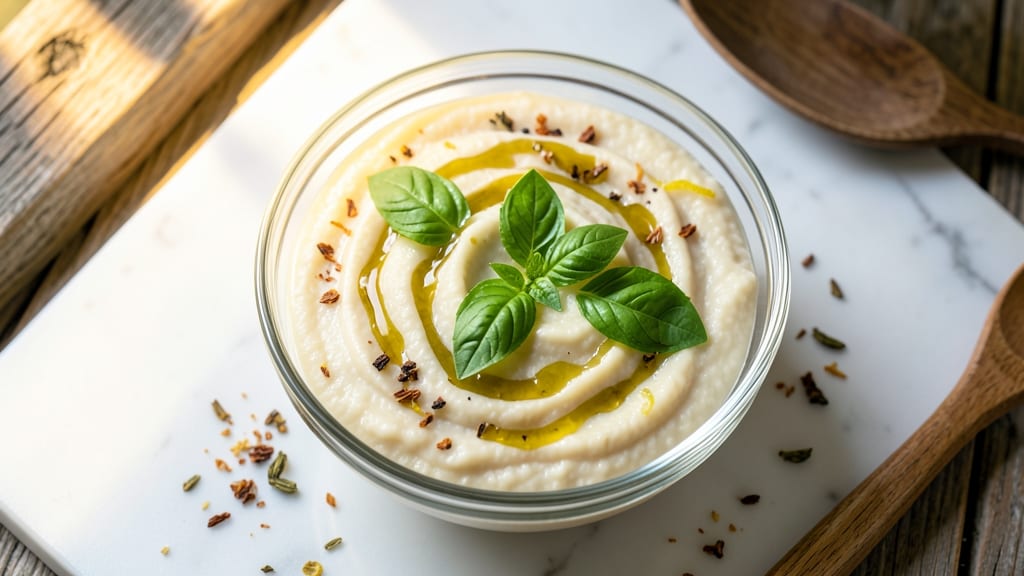
Introducing a nutrient-rich bean puree designed specifically for your baby's first tastes—naturally sweet, smooth, and packed with plant-based protein without any added salt or sugar. This gentle introduction to solids focuses on texture and safety, using simple ingredients you likely already have on hand.
The key is achieving that perfect, velvety consistency that's easy for little ones to swallow while preserving all the natural goodness of beans.
What sets this recipe apart is its simplicity and versatility. You'll start with dried beans (or canned for convenience), which are cooked until tender before being blended to a silky smooth finish.
The beauty of this method is how easily it adapts—you can make it thicker for younger babies or slightly chunkier as your little one progresses. A touch of olive oil adds healthy fats, while a pinch of dried herbs (like basil or oregano) introduces subtle flavors without overpowering.
The result is a puree that's not only safe for your baby but also packed with essential nutrients like iron, fiber, and plant-based protein. This recipe serves as a perfect first food, offering a gentle introduction to vegetables while being completely free from additives.
The smooth texture ensures easy swallowing, making mealtime less stressful for both you and your baby.
Once prepared, the puree can be stored in the refrigerator for up to 3 days or frozen for up to 3 months, making it an ideal meal-prep option for busy parents. Serve it as a standalone dish or mix it with other baby-friendly purees for added variety.
This is more than just a recipe—it's a foundation for healthy eating habits that will last a lifetime.
Ingredients for bean puree recipe for baby
Simple ingredients for baby's first nutritious puree—naturally sweet and packed with protein.
| Ingredient | Amount | Notes |
|---|---|---|
| Dried White Beans 🌱 | 1 cup | Soaked overnight for best texture |
| Water 💧 | 4 cups | For soaking and cooking |
| Extra-Virgin Olive Oil 🫒 | 1 tbsp | For healthy fats and creaminess |
| Dried Basil 🌿 | ¼ tsp | For gentle herbal flavor |
| Canned White Beans 🌱 | 1 ½ cups | Drained and rinsed (15 oz can) |
| Fresh Basil Leaves 🌿 | 2 whole | Optional for extra freshness |
| Breast Milk or Formula 🍼 | 2 tbsp | For thinning if needed |
The beans are the heart of this puree, so quality matters. Dried beans give you more control over texture, but canned white beans work in a pinch—just rinse them well. I grab Great Northern or Navy beans from the bulk section at Whole Foods or Trader Joe's—they're consistent and reliable. For the olive oil, extra-virgin is key—it adds healthy fats and a subtle flavor that babies love. Look for dark bottles in the refrigerated section to ensure freshness. The basil is optional but adds a lovely herbal note without overpowering.
No dried beans? Canned beans are fine—just drain and rinse thoroughly. Short on basil? Dried oregano at half the amount works just as well. Want to skip the herbs completely? No problem—just omit them entirely. The olive oil can be swapped for avocado oil if preferred. For thinning, breast milk or formula is ideal, but water or unsweetened applesauce also work. If you're using dried beans, soak them overnight to reduce cooking time and improve digestibility. The puree should be smooth enough to swallow but not watery—adjust with a splash of liquid if needed.
This puree keeps beautifully in the fridge for up to 3 days in an airtight container. For longer storage, freeze in ice cube trays—just thaw overnight in the fridge before serving. I like to make a big batch and freeze portions so I always have a quick, nutritious option. When reheating, warm gently on the stove or microwave until just hot to the touch. Always test the temperature before serving to ensure it's safe for baby.
Why You'll Love This Recipe
- No-Fuss Blender Magic: I swear by this recipe when I’m drowning in laundry—just soak dried beans overnight, simmer until tender, and whoosh—smooth perfection in 10 minutes. The canned beans shortcut? Absolute lifesaver for days when I’ve got 20 minutes max.
- Creamy, Earthy Comfort: That first taste of olive oil-drizzled puree? Rich without being heavy, with basil adding a whisper of brightness. Babies gobble it up (and honestly, so do I—straight from the spoon).
- Batch-and-Freeze Ready: Make a big pot, portion into ice cube trays, and freeze. Thaw one cube at a time for quick meals—no last-minute scrambling. My freezer’s stocked with these little flavor bombs for lazy mornings.
- Pocketbook Hero: Dried beans are cheaper than baby food jars, and they last forever. Plus, the olive oil and basil stretch the flavor so well—you’ll use less per serving without sacrificing taste. Win-win for my wallet and my sanity.
Step-by-step instructions for baby-friendly bean puree
Here's how to make a smooth, nutritious puree without any added salt or sugar.
Prepare the Dried Beans for Cooking
Start by rinsing the 1 cup dried white beans thoroughly under cold water to remove any debris. Place them in a bowl and cover with the 4 cups water by at least 2 inches. Let them soak overnight in the refrigerator—this ensures they cook evenly and break down smoothly for baby.
After soaking, drain the beans and rinse them again. Transfer them to a pot and cover with fresh water. Bring to a boil over medium-high heat, then reduce to a simmer. Cook for 1.5 to 2 hours until the beans are fork-tender. You'll know they're ready when they mash easily with minimal resistance.
Cook the Canned Beans and Add Flavor
While the dried beans cook, drain and rinse the 1.5 cups canned white beans thoroughly to remove any excess sodium. In a separate small saucepan, combine the canned beans with 1 tablespoon extra-virgin olive oil and ¼ teaspoon dried basil. Simmer gently over low heat for 5 minutes, stirring occasionally, until the basil releases its aroma.
This step adds healthy fats and subtle flavor without overpowering the puree. The olive oil helps create a smooth texture while providing essential nutrients for baby's growth. Keep the heat low to prevent the oil from burning, which could create an unpleasant taste.
Combine and Blend All Ingredients
Once both batches of beans are cooked, drain any remaining liquid from the dried beans. Transfer all the beans to a blender or food processor. Add the 2 whole fresh basil leaves (if using) and blend until completely smooth. You may need to scrape down the sides once or twice to ensure everything combines evenly.
For a perfectly smooth texture, add 1 to 2 tablespoons of breast milk or formula while blending. Start with less and add more gradually until you reach a consistency that's easy for baby to swallow. The milk also helps balance the flavor and makes the puree more digestible.
Adjust Consistency and Serve
Taste the puree and adjust the consistency as needed. If it's too thick, thin it with more breast milk or formula, 1 tablespoon at a time, until it reaches a smooth, spoonable texture. For a slightly thinner consistency, you can also add a little of the cooking liquid from the dried beans.
Transfer the puree to a clean jar or container and let it cool to room temperature before serving. Store any leftovers in the refrigerator for up to 3 days or freeze for up to 3 months. When reheating, warm gently in a saucepan or microwave until just hot enough to serve—never add salt or sugar, as baby doesn't need these yet.
Pro Tips For Making Bean Puree Recipe For Baby
- SOAK BEANS OVERNIGHT: I learned this the hard way—skipping the soak means tough, indigestible beans for babies. Use 3 parts water to 1 part beans, cover, and let them sit 12+ hours (or quick-soak: boil 2 minutes, then rest 1 hour). The longer they soak, the smoother the final puree—no one wants to blend gritty bits for baby’s first meal.
- BLEND IN BATCHES: Canned beans? Still blend in small portions. A food processor can’t handle a full pot at once—it’ll overheat and burn. Split into 2-3 batches, scrape down the sides, and pulse until completely smooth. This keeps the puree from turning gluey or overheating, which kills the natural sweetness.
- SALT THE WATER: Yes, even for baby food. Add 1 teaspoon salt to the soaking water (or cooking water if using dried beans). It softens the beans faster and prevents that bland, watery taste. Just remember to rinse them thoroughly before blending—babies don’t need extra sodium, but the flavor balance matters.
- FINISH WITH OIL: Drizzle in that extra-virgin olive oil after blending, not before. Heat can turn it bitter, and you want the puree to taste fresh. A teaspoon at the end coats the texture and adds healthy fats—plus, it makes the basil actually sing. Skip this, and you’re left with a dry, flavorless mush.
Serving suggestions for leftovers
First Food Pairings
Serve this bean puree as baby’s first meal alongside steamed apple slices or mashed banana for natural sweetness contrast. I like to offer these together because the fruit’s soft texture helps baby practice chewing while the puree’s smoothness is easy to swallow.
Always introduce one new food at a time to monitor reactions. 🍎
Texture Progression
For babies 4-6 months, keep the puree smooth and thin—like yogurt consistency. As your little one reaches 7-9 months, gradually thicken it by blending less liquid or adding mashed avocado for a chunkier texture. I start with 1 tablespoon of avocado per serving and increase as baby adapts.
Flavor Introductions
Gently introduce new flavors by mixing this puree with sweet potato or carrot purees—both pair beautifully. For a protein boost, blend in silken tofu (¼ cup) or a spoonful of hummus (unsalted). Always check for allergies before introducing new ingredients.
Serving Tools
Use a soft-tip silicone spoon (like the Munchkin Baby Spoon from Target) to serve—it’s gentle on baby’s gums. For self-feeding practice, transfer small portions to a silicone suction bowl (available at Amazon or baby stores). Let baby explore textures at their own pace.
Storage-Friendly Serving
Portion cooled puree into small glass jars (like Wean Green jars) for easy grab-and-go meals. Label with dates and store in the fridge for up to 3 days. Freeze extras in ice cube trays for single-serving portions—just thaw overnight in the fridge before serving.
Meal Pairing Ideas
Combine with whole-grain baby cereal (like Gerber Oatmeal) for added fiber. For a complete meal, pair with steamed broccoli puree (blended with a splash of water). Always serve at room temperature to prevent burns and monitor baby’s reactions to new textures.
Nutrition facts
Frequently asked questions
Can I use any type of bean for baby puree?
White beans like Great Northern or Navy are ideal for babies due to their mild flavor and soft texture. Avoid gas-producing beans like chickpeas or black beans for first-time introductions. For variety later, try mashed lentils or butternut squash puree mixed with a small amount of bean puree.
How do I know when the puree is the right consistency for my baby?
For 4-6 month olds, aim for a smooth texture like thin yogurt that coats the spoon but flows easily. For 7+ months, you can make it slightly thicker or add small chunks. Always test by smearing a tiny amount on your wrist—it should glide off without dripping.
Is it safe to add spices or sweeteners to baby's bean puree?
No added salt, sugar, or strong spices are needed—babies' kidneys can't process excess sodium, and their taste buds prefer natural flavors. A pinch of dried basil or oregano is fine, but avoid garlic, onion powder, or sweetener. The natural sweetness of well-cooked beans is perfect for little ones.
How long can I store homemade bean puree?
Store in an airtight container in the fridge for up to 3 days or freeze for 3 months. For freezing, portion into ice cube trays—thaw overnight in the fridge before serving. Always reheat gently until just warm (test temperature before offering).
What if my baby doesn't like the taste?
It's common for babies to need 8-15 tries before accepting new flavors. Try mixing with familiar foods like sweet potato or avocado puree. Offer at different times of day and keep portions small. If rejected, wait a week before trying again.