
Main Courses
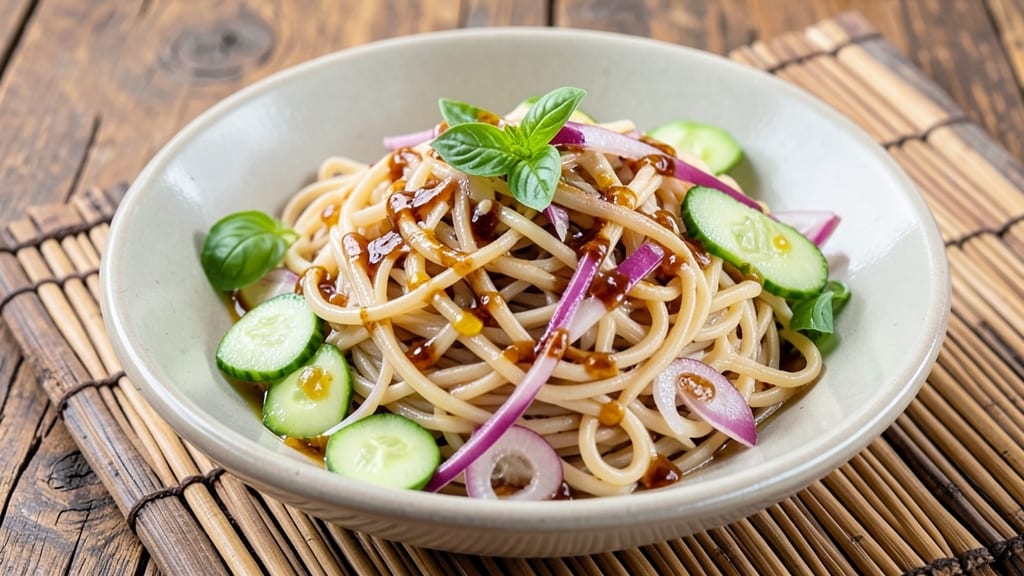
This bean vermicelli noodles recipe delivers the perfect balance of crispy-fried texture and umami-rich flavors you crave in every bite. 🔥 The secret lies in perfectly soaked noodles that achieve that signature crispy yet tender texture when wok-fried, paired with a sauce that harmonizes sweet, salty, and tangy notes.
I developed this version after years of experimenting with Vietnamese-inspired noodle dishes, and it's become my go-to for weeknight dinners that feel restaurant-worthy.
The foundation of this dish is crispy-fried noodles—achieved by soaking the bean vermicelli just until pliable, then quickly stir-frying in hot oil until golden and slightly crispy. This technique transforms ordinary noodles into a textural masterpiece that holds up perfectly to the bold sauce.
The umami-packed sauce combines fish sauce, soy sauce, and a touch of sugar for depth, while fresh herbs and crushed peanuts add layers of complexity that elevate every forkful.
What you'll end up with is a dish that's bold yet balanced—crispy noodles that give way to tender strands, all coated in a glossy sauce that's savory, slightly sweet, and packed with herbal brightness.
The dish comes together in under 30 minutes, making it ideal for busy weeknights while still delivering restaurant-quality results. Whether you're serving it as a light lunch or a satisfying dinner, this recipe delivers satisfaction in every bite.
For added customization, you can adjust the spice level with chili flakes or fresh herbs like cilantro and Thai basil. The beauty of this dish lies in its versatility—it works as a standalone meal or pairs beautifully with grilled proteins or fresh vegetables.
Let's get cooking! Here's how to make it.
Ingredients for bean vermicelli noodles
Pantry staples plus a few fresh touches for that crispy, umami-packed noodle magic.
| Ingredient | Amount | Notes |
|---|---|---|
| Bean Vermicelli Noodles 🍜 | 8 oz | Dried, rice noodles preferred |
| Vegetable Oil 🫒 | ½ cup | High smoke point for frying |
| Fish Sauce 🥫 | 2 tbsp | Vegan fish sauce (soy sauce alternative) |
| Soy Sauce 🥫 | 2 tbsp | Light or dark preferred |
| Brown Sugar 🍯 | 1 ½ tbsp | Packed, for caramelization |
| Lime Juice 🍋 | 2 tbsp | Freshly squeezed |
| Crushed Peanuts 🥜 | ½ cup | Lightly toasted for crunch |
| Fresh Cilantro 🌿 | ¼ cup | Chopped, stems removed |
| Thai Basil Leaves 🌿 | ¼ cup | Or regular basil if unavailable |
| Garlic Cloves 🧄 | 4 cloves | Minced for sauce |
| Red Chili Flakes 🌶️ | 1 tsp | Adjust for heat preference |
| Sesame Oil 🫒 | 1 tbsp | For finishing aroma |
| Salt 🧂 | 1 tsp | Kosher or sea salt |
The noodles are the star here—rice vermicelli is ideal, but any dried bean noodle works. Look for the thin, flat strands at Asian markets or the international aisle. Soaking time is critical: just until pliable (about 10-15 minutes), not mushy. Trader Joe's and H Mart carry great options, but the store-brand stuff at most grocery stores is fine too. Pro tip: soak them in warm water, not hot—prevents overcooking. The oil matters too—vegetable or peanut oil with a high smoke point handles the frying best.
No vegan fish sauce? Soy sauce plus a splash of coconut aminos works in a pinch. The brown sugar can be swapped for coconut sugar if you prefer, but it won't caramelize the same. Thai basil is a must for that authentic vibe, but regular basil adds brightness too. Chili flakes? Adjust to taste—start with less if you're sensitive. The crushed peanuts should be lightly toasted (just 2-3 minutes in a dry pan) for maximum crunch. Fresh lime juice is non-negotiable here—bottled won't cut it. Want extra umami? Add a teaspoon of miso paste to the sauce.
Noodles dry out fast after frying, so work quickly. Store leftovers in an airtight container with a damp paper towel to keep them pliable for up to 3 days. The sauce keeps for 5 days in the fridge—make extra for stir-fries or marinades. Freezes beautifully too, though texture changes slightly. For meal prep, fry the noodles fresh and store them separately, then toss with sauce when ready to eat. The peanuts and herbs are best added fresh when serving, so keep those separate until the last minute.
Why You'll Love This Recipe
- Five-Minute Soak: I swear by this trick—just toss the dry bean noodles in warm water for five minutes, and they’re ready. No boiling, no fuss, and they hold up perfectly. (Yes, even when my toddler "helps" stir.)
- Umami-Packed Punch: That combo of fish sauce and soy sauce? It’s a flavor bomb. The brown sugar cuts the salt just enough to make it taste like a little Vietnamese restaurant in my kitchen—no fancy ingredients needed.
- Lunchbox Hero: Cold noodles? Absolutely. Toss them with a little extra fish sauce and chili flakes, and they’re a grab-and-go meal that lasts all day. My kids actually eat their veggies when I sneak them into the mix.
- Pantry Staple Magic: I make a big batch on Sundays because it’s dirt cheap and lasts forever. Store it in the fridge for up to five days, or freeze half for when I’m too tired to cook. Budget-friendly doesn’t get much better than this.
Step-by-step instructions for crispy-fried wok noodles
Here's how to make these addictive noodles with perfectly crispy edges and a bold umami sauce.
🍳 Step 1: Soak and Prep the Noodles
Fill a large bowl with hot water and add the 8 oz bean vermicelli noodles. Let them soak for 10-15 minutes until pliable but still holding their shape. I like to test by pressing a noodle between my fingers—it should bend without breaking.
While they soak, prepare a colander and rinse the noodles briefly under cold water to stop the cooking process. Drain well and toss with 1 tablespoon vegetable oil to prevent sticking. The oil creates a light barrier that helps them crisp up beautifully in the wok.
🔥 Step 2: Fry the Noodles Until Crispy
Heat the remaining 0.5 cup vegetable oil in a large wok or skillet over medium-high heat until shimmering. Add the drained noodles in a single layer and fry for 3-4 minutes, stirring gently with tongs, until they turn a golden brown and crispy.
Here's the thing—don't crowd the pan. Work in batches if needed so the noodles have room to crisp rather than steam. You want them to develop those beautiful crispy edges while staying tender inside. When they're ready, transfer to a plate lined with paper towels to drain excess oil.
🍳 Step 3: Make the Umami-Packed Sauce
In the same wok (no need to clean it—the browned bits add flavor), add the 4 cloves minced garlic and 1 tsp red chili flakes over medium heat. Cook for 30 seconds until fragrant but not browned—you just want to wake up those flavors.
Add the 2 tbsp fish sauce, 2 tbsp soy sauce, and 1.5 tbsp packed brown sugar. Stir constantly for 1-2 minutes until the sugar dissolves and the sauce begins to thicken slightly. This is where all the umami magic happens—don't rush it.
🥘 Step 4: Combine Noodles and Sauce
Return the crispy noodles to the wok and toss everything together. Pour in the 2 tbsp lime juice and 1 tbsp sesame oil, then stir quickly for 1 minute to coat the noodles evenly. The lime brightens the dish while the sesame oil adds that nutty aroma we all love.
Taste and adjust seasoning with 1 tsp salt if needed. The sauce should be bold but balanced—salty, sweet, tangy, and slightly spicy. If it's too thick, add a splash of hot water to loosen it.
👨🍳 Step 5: Garnish and Serve Immediately
Divide the noodles among plates and top with 0.5 cup crushed peanuts, 0.25 cup chopped fresh cilantro, and 0.25 cup Thai basil leaves. The peanuts add crunch while the herbs bring freshness to balance the rich flavors.
Serve right away while the noodles are still crispy. These taste even better the next day, but the texture will soften slightly. Pair with a cold beer or iced tea for the full experience!
Pro Tips For Making Bean Vermicelli Noodles
- SOAK NOODLES IN COLD WATER: I learned this the hard way—hot water turns bean vermicelli into mush. Use lukewarm or cold water and let them soak for 10-15 minutes until pliable but still holding shape. Over-soaking is the enemy; they’ll turn to glue.
- STIR-FRY ON HIGH HEAT: Bean vermicelli needs a quick, hot sear to avoid sogginess. Crank the heat to medium-high and work fast—once the oil shimmers, add the noodles and stir constantly for 2-3 minutes. Low heat = sad, limp noodles.
- TASTE THE SAUCE BEFORE ADDING NOODLES: Fish sauce and soy sauce are sneaky—too much and your dish tastes like a salty brick. Mix 1 tsp fish sauce, 1 tsp soy sauce, and ½ tsp brown sugar in a small bowl first, then taste. Adjust before tossing with noodles; fixing over-salted noodles is a nightmare.
- UPGRADE WITH A LITTLE OIL: Skip the dry stir-fry—toss the drained noodles with 1 tsp vegetable oil while they’re still hot. It keeps them from sticking and adds a subtle richness. (Yes, even if you’re impatient like me, this makes a real difference.)
Serving suggestions for this recipe
Crispy Garnish Ideas
Top your noodles with toasted sesame seeds for an extra nutty crunch—just heat 1 tbsp sesame seeds in a dry pan for 1 minute until golden. I sprinkle them on top right before serving to keep that fresh aroma.
For a smoky twist, add ½ tsp smoked paprika mixed with the crushed peanuts before topping. 🌟
Fresh Herb Variations
Swap Thai basil for mint leaves if you prefer a brighter, cooler profile—just ¼ cup chopped mint works beautifully. For a tropical vibe, try Thai cilantro (recao) if available, or a mix of basil and mint.
The key is balancing richness with freshness, so don’t overdo it. I like to tear herbs by hand for a more rustic look.
Protein Pairings
Add grilled shrimp or tofu for extra protein—toss cooked shrimp with 1 tsp soy sauce and ½ tsp garlic powder before serving. For tofu, press and pan-fry until crispy, then slice into thin strips.
Both pair perfectly with the umami sauce. Serve on the side or mixed in for a heartier meal. 🍤
Dipping Sauces
Offer a spicy chili-lime dip on the side—mix 2 tbsp lime juice, 1 tbsp sriracha, and 1 tsp honey for a sweet-heat contrast. For a creamy option, blend ¼ cup coconut yogurt with 1 tsp fish sauce and a pinch of salt.
These add another layer of flavor without overpowering the noodles.
Presentation Tips
Use wide, shallow bowls to showcase the noodles’ texture—this makes the crispy edges pop. Garnish with lime wedges and a sprinkle of chili flakes for color contrast.
For a restaurant-style finish, drizzle extra sauce in a zigzag pattern over the top. Serve with chopsticks or a spoon for that authentic feel. ✨
Meal Prep Adaptations
Fry the noodles fresh and store them separately in an airtight container with a damp paper towel to keep them pliable for up to 3 days. Assemble the sauce and toppings ahead, but add the peanuts and herbs fresh when serving.
Reheat noodles in a dry pan for 1-2 minutes to restore crispiness. This keeps the texture intact while saving time. 💡
Nutrition facts
Frequently asked questions
Why do the noodles need to be fried instead of just cooked?
Frying creates that signature crispy texture that sets these noodles apart! The high heat quickly dehydrates the surface while keeping the inside tender. This technique is inspired by Vietnamese-style dishes where texture contrast is key—think of it like a perfect balance between crunchy and chewy. Without frying, you'd miss the satisfying bite that makes this dish so addictive.
Can I use regular vermicelli noodles instead of bean vermicelli?
You can, but bean vermicelli (made from mung beans) has a slightly nuttier flavor and firmer texture that works better for this recipe. Regular wheat vermicelli will work in a pinch, but the dish will taste more neutral. For the best results, stick with rice or bean-based noodles—both hold up well to frying and absorb flavors beautifully.
What if I don't have fish sauce?
No problem! Use soy sauce plus ½ tsp coconut aminos for a vegan-friendly substitute. The combination mimics fish sauce's umami depth. For extra richness, add a dash of miso paste (½ tsp) to the sauce. Just remember that coconut aminos are sweeter, so you might want to reduce the brown sugar slightly to balance flavors.
How do I prevent the noodles from sticking together after frying?
Work in small batches so the noodles have room to crisp without steaming. After frying, spread them on a baking sheet lined with paper towels to drain excess oil. Toss them gently with a pinch of salt while still warm—the salt helps prevent clumping. If they do stick, just separate them with chopsticks before serving.
Can I make this recipe gluten-free?
Just ensure your bean vermicelli noodles are certified gluten-free (most are naturally gluten-free, but always check labels). Use tamari instead of soy sauce for the sauce, and verify that your fish sauce substitute is also gluten-free. All other ingredients in this recipe are naturally gluten-free, making this dish easily adaptable for gluten-sensitive diets.