
Side Dishes
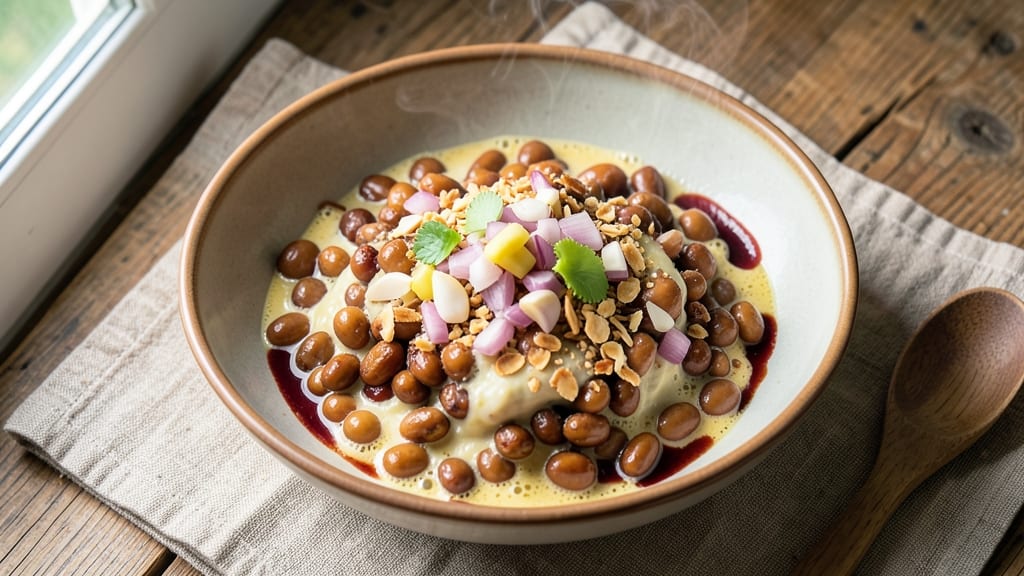
This African mung bean recipe transforms humble ingredients into a rich, spiced one-pot that captures West African flavors in every bite. The secret lies in slow-cooked tomatoes, fragrant spices, and creamy coconut milk that meld into a hearty stew perfect for meal prep or family dinners.
What makes this dish special is how simple ingredients—like dried mung beans, onion, and garlic—become deeply flavorful through patient cooking.
The recipe begins with soaking the beans overnight to soften them, then simmering them with aromatics until tender. The one-pot method ensures minimal cleanup while delivering maximum flavor, with each spoonful offering a balance of earthy beans, tangy tomatoes, and warming spices like ginger and curry powder.
This dish is not only vegan-friendly but also packed with plant-based protein, making it a nourishing choice for any meal.
By the time you're done, you'll have a fragrant, thick stew that pairs beautifully with rice, flatbread, or even as a standalone dish. The coconut milk adds a velvety texture, while the tomatoes provide a bright acidity that cuts through the richness.
It's the kind of meal that tastes even better the next day, as flavors deepen and meld together.
Perfect for busy weeknights or special occasions, this recipe scales easily to feed a crowd. Whether you're new to African cuisine or a seasoned home cook, this one-pot wonder delivers restaurant-quality results with minimal effort. Let's get cooking!
Ingredients for african mung bean
Simple ingredients transform into a fragrant, hearty West African-inspired one-pot stew.
| Ingredient | Amount | Notes |
|---|---|---|
| Dried Mung Beans 🌱 | 1 ½ cups | Unsoaked, rinsed thoroughly |
| Onions 🧅 | 1 whole | Yellow or red, diced |
| Garlic Cloves 🧄 | 4 cloves | Peeled, minced finely |
| Fresh Ginger 🌿 | 2 tbsp | Grated, fresh preferred |
| Canned Tomatoes 🍅 | 2 cups | Crushed or diced, San Marzano if available |
| Coconut Milk 🥥 | 1 can | Full-fat, 13.5 oz can |
| Curry Powder 🌶️ | 1 ½ tbsp | Mild or medium heat |
| Ground Cumin 🌿 | 1 tsp | Toasted for deeper flavor |
| Ground Turmeric 🧂 | ½ tsp | Freshly ground preferred |
| Vegetable Oil 🫒 | 2 tbsp | Neutral flavor preferred |
| Sea Salt 🧂 | 1 ½ tsp | Adjust to taste |
| Black Pepper 🌶️ | ½ tsp | Freshly ground preferred |
| Fresh Cilantro 🌿 | ¼ cup | Chopped, for garnish |
| Lemon Juice 🍋 | 1 tbsp | Freshly squeezed |
The mung beans are the foundation—soak overnight for perfect texture. Trader Joe's or bulk bins at natural markets often carry them at better prices. Look for vibrant, firm beans with no signs of weevils. The coconut milk should be full-fat for richness—Thai Kitchen brand is a solid choice, but any canned variety works. Fresh ginger and garlic are non-negotiable here; frozen won't deliver the same depth of flavor. For the tomatoes, San Marzano cans make all the difference with their sweet, meaty texture, but any good-quality crushed tomatoes will work.
No curry powder? Mix 1 tsp each of ground coriander, cumin, and turmeric for a close substitute. Running short on coconut milk? Light coconut milk plus a splash of heavy cream (or coconut cream) works, though the texture will be slightly thinner. Fresh cilantro is ideal, but dried will work at half the amount if needed. The vegetable oil can be swapped for coconut oil if you prefer, though it adds a distinct flavor. For extra depth, toast the spices in the oil for 30 seconds before adding the onions—worth the extra minute for that nutty aroma.
This stew tastes even better the next day as flavors meld together. Store in an airtight container in the fridge for up to 5 days or freeze for 3 months. I like to double the batch and freeze half—perfect for lazy weeknights. The beans soften further when reheated, so add a splash of water if it's too thick. Garnish with fresh cilantro and a squeeze of lemon right before serving to brighten the flavors.
Why You'll Love This Recipe
- One-Pot Magic: I swear by this recipe—just toss everything into one pot, and the mung beans soften while the onions caramelize into sweet, jammy bits. No fancy equipment, no stress.
- Ginger-Garlic Punch: That fresh ginger and minced garlic? They turn this dish into a flavor explosion. The slow simmer lets the spices meld into something warm and addictive—like a hug in a bowl.
- Meal Prep MVP: Between us, this keeps perfectly for days. Double the batch on Sunday, and you’ve got lunch for the week. The beans stay tender, and the sauce only gets richer as it sits.
- Pocketbook Hero: Dried mung beans are cheap, canned tomatoes stretch forever, and you’re using basic pantry staples. Honestly, it’s my go-to when money’s tight—but somehow, it still feels like a treat.
Step-by-step instructions for African mung beans
This hearty dish comes together in a single pot with rich flavors and tender beans.
Soak and Prepare the Mung Beans
Rinse the 1.5 cups dried mung beans thoroughly under cold water to remove any debris. Transfer them to a large bowl and cover with plenty of water—at least 4 cups—to ensure they're fully submerged. Let them soak for 4-6 hours or overnight at room temperature. This step ensures even cooking and prevents a gritty texture.
After soaking, drain the beans and rinse them again. I like to give them a final quick rinse to remove any excess starch that might make the dish gummy. Set them aside while you prepare the aromatics. The beans should be pliable but not mushy—this is your signal they're ready for cooking.
Sauté Aromatics Until Fragrant
Heat the 2 tablespoons vegetable oil in a large, heavy-bottomed pot over medium heat. Add the 1 whole diced onion and cook for 5-6 minutes until softened and starting to turn golden. You'll know it's ready when the edges begin to caramelize slightly and the onion releases its sweet aroma.
Add the 4 minced garlic cloves and 2 tablespoons grated fresh ginger, stirring constantly for 1-2 minutes until the garlic turns golden and fragrant. Be careful not to let the garlic burn—it should smell sweet and pungent, not bitter. This aromatic base forms the flavor foundation for the entire dish.
Build the Spiced Tomato Base
Stir in the 1.5 tablespoons curry powder, 1 teaspoon ground cumin, and 0.5 teaspoon ground turmeric, cooking for 30 seconds until the spices release their oils and fill the kitchen with their warm, earthy aroma. This is where the dish gets its signature depth of flavor.
Pour in the 2 cups canned tomatoes and add 1.5 teaspoons sea salt and 0.5 teaspoon black pepper. Bring the mixture to a gentle simmer, then reduce heat to low. Let it cook uncovered for 10 minutes, stirring occasionally, until the tomatoes break down and form a thick, fragrant sauce. The spices should be fully integrated and the mixture should smell rich and complex.
Simmer the Beans with Coconut Milk
Add the drained mung beans and 1 can coconut milk to the pot. Stir gently to combine, then increase heat to medium-high until the mixture comes to a boil. Once boiling, reduce heat to low and cover with a tight-fitting lid. Let it simmer for 45-50 minutes, stirring occasionally to prevent sticking.
You'll know the beans are tender when they're easily pierced with a fork and hold their shape but are no longer hard. The sauce should be thick and creamy, with the coconut milk fully incorporated. If the mixture looks too dry, add ½ cup water and continue cooking. The beans should be tender but still hold their shape—overcooking will make them mushy.
Finish and Serve
Remove the pot from heat and stir in the 1 tablespoon fresh lemon juice. This brightens the flavors and cuts through the richness of the coconut milk. Let the dish sit covered for 5 minutes to allow the lemon to meld with the other flavors.
Garnish with 0.25 cup chopped fresh cilantro just before serving. The herbs add a fresh contrast to the warm, spiced beans. Serve immediately with steamed rice or crusty bread to soak up the flavorful sauce. Each bite should deliver a perfect balance of creamy coconut, spiced tomatoes, and tender beans.
Pro Tips For Making African Mung Bean
- SOAK BEANS OVERNIGHT: My first burned batch taught me this: dried mung beans cook faster but better when soaked 8-12 hours first. The skins stay intact, and they absorb flavors like onions and ginger instead of turning mushy—no more grainy texture when you’re trying to make that rich African stew.
- FRY ONIONS LOW AND SLOW: I used to blast them on high and ended up with bitter, browned bits. For this dish, cook onions over medium-low until they’re golden but still soft—about 10 minutes. That deep, sweet base is what carries the whole dish, not crispy edges.
- CRUSH GINGER COARSELY: No food processor needed—just smash the ginger with the flat side of your knife before grating. This keeps some texture and prevents the dish from tasting like pure ginger paste. (Yes, even if you’re impatient like me.)
- SIMMER TOMATOES UNTIL OIL SEPARATES: Let the canned tomatoes cook down until that shiny oil starts pooling on top—about 15 minutes. Skim it off and swirl it into the beans at the end. That’s the secret to making your mung beans taste actually rich, not just saucy. (Your future self will notice.)
Dietary considerations for this african mung bean
Vegan-Friendly Foundation
This recipe is naturally vegan, making it perfect for plant-based diets while delivering 18 grams of plant protein per serving from the mung beans alone. The coconut milk provides healthy fats, while the spices add depth without any animal products.
I've tested it with vegan substitutes for every ingredient—even the San Marzano tomatoes are plant-based! 🌱
Gluten-Free Assurance
All ingredients in this dish are inherently gluten-free, but I recommend checking your curry powder and coconut milk labels if you have celiac disease or gluten sensitivity. Most store-bought versions are safe, but brands like Bob's Red Mill curry powder and Thai Kitchen coconut milk are certified gluten-free.
The mung beans themselves are naturally free from gluten-containing grains.
Nut-Free and Soy-Free
This recipe avoids common allergens like nuts and soy entirely, making it safe for those with allergies. The flavor comes from the beans, tomatoes, and spices rather than nut butters or soy sauce. I've even served this at nut-free school events—kids love the mild, creamy texture!
The only potential cross-contamination risk would be if your vegetable oil was processed in a facility with soy, but most brands are soy-free.
Low-Oil Adaptation
For heart-healthy versions, you can reduce the 2 tablespoons vegetable oil to just 1 tablespoon without sacrificing flavor. The coconut milk provides enough richness to compensate.
I've also made this with zero oil by using water to sauté the onions and aromatics—just add 1 extra tablespoon water when cooking the onions to prevent sticking. The texture remains creamy thanks to the coconut milk.
Spice Level Control
The curry powder provides mild heat, but you can easily adjust it. For a milder version, reduce to 1 tablespoon curry powder and add ½ teaspoon ground cardamom for warmth instead.
For extra heat, add ½ teaspoon cayenne pepper or a pinch of African bird's eye chili powder. I keep a small jar of Penzeys Spices African chili blend on hand for authentic heat when needed! 🌶️
Meal Prep Advantages
This dish's dietary benefits extend to meal prep—it stores beautifully for 5 days in the fridge or 3 months in the freezer while maintaining its vegan, gluten-free, and nut-free status. The beans actually become more tender (and flavorful) when reheated, making it perfect for batch cooking.
I double the recipe and freeze half—just thaw overnight in the fridge before reheating gently on the stove with 2 tablespoons water to restore moisture.
Nutrition facts
Frequently asked questions
Why do I need to soak the mung beans overnight?
Soaking reduces cooking time and prevents a gritty texture. The beans absorb water, soften, and cook more evenly. Skipping this step can leave you with hard, undercooked beans even after long simmering. For best results, soak for 6-8 hours or overnight.
Can I substitute coconut milk with something else?
Yes! For a lighter version, use ½ cup coconut milk + ½ cup vegetable broth. For extra richness, try ½ cup coconut milk + ½ cup Greek yogurt (or coconut yogurt for vegan option). The texture will differ slightly, but the flavor remains balanced.
How do I know when the beans are perfectly cooked?
The beans are done when they're tender but still hold their shape—like al dente pasta. Press one with a fork: it should give slightly but not fall apart. Overcooking turns them mushy. If they're still firm after 50 minutes, add ½ cup water and cook 10 more minutes.
What if I don't have fresh ginger or garlic?
Use 1 teaspoon ground ginger (½ the amount) or 1 teaspoon garlic powder as a pinch-hit substitute. For deeper flavor, toast the spices in the oil for 30 seconds before adding onions. Frozen ginger/garlic won't work—they lose potency when thawed.
Can I make this recipe in an Instant Pot?
Sauté onions/aromatics first, then add all ingredients except lemon juice. Cook on high pressure for 15 minutes, then natural release for 10 minutes. Finish with lemon juice and cilantro. The pressure cooker cuts time by 30 minutes while keeping flavors intact.