
Main Courses
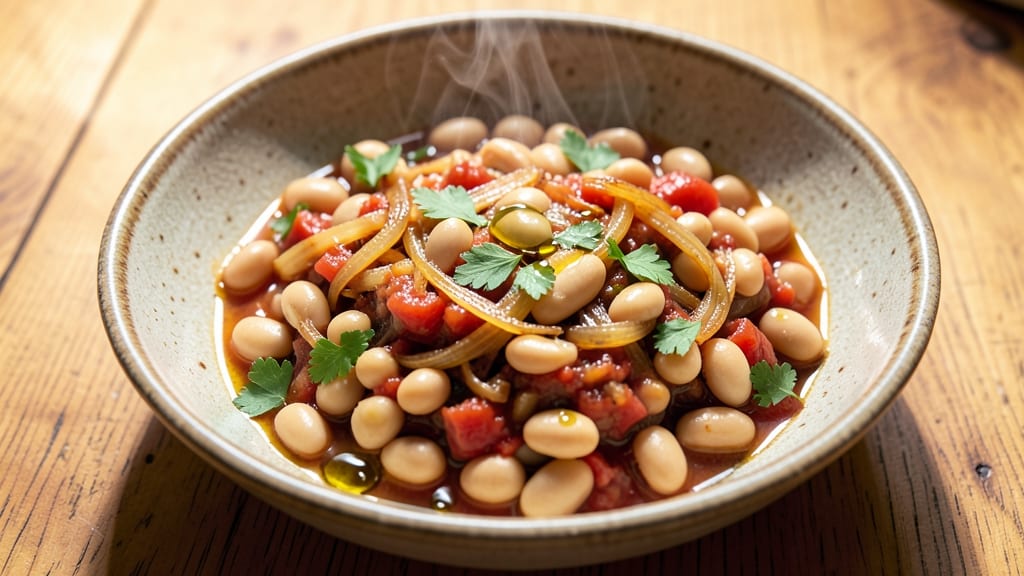
This bean ragout recipe transforms humble ingredients into a deeply satisfying, herb-infused dish that feels like a warm embrace on a chilly evening. The secret lies in slow-simmered beans, caramelized onions, and a smoky tomato base that builds rich, layered flavor—no meat needed.
What starts as simple pantry staples becomes a velvety, aromatic stew with earthy thyme, bright bay leaf, and just enough acidity from tomatoes to cut through the richness.
The beauty of this ragout is its adaptability—it works equally well as a hearty vegetarian main or a vegan-friendly dish when you skip butter or cheese.
Sautéing onions and garlic until golden unlocks their natural sweetness, while crushed tomatoes and vegetable broth create the perfect foundation for simmering beans to tender perfection. The result? A dish that’s comforting yet sophisticated, with textures that range from creamy beans to crispy edges on toasted bread.
By the time you’re done, you’ll have a pot of ragout that smells like a home-cooked meal should—warm, inviting, and full of character. The herbs infuse the broth with aromatic depth, while the beans absorb all the flavors, making every bite hearty and satisfying.
Serve it with crusty bread to soak up every last drop or over fluffy rice for a complete meal that’s as nourishing as it is delicious.
This recipe proves that comfort food doesn’t require meat or complicated techniques—just time, patience, and a few well-chosen ingredients. The slow simmer allows flavors to meld beautifully, so don’t rush it.
Whether you’re feeding a family or meal prepping for the week, this bean ragout delivers warmth, depth, and a touch of rustic charm that’s impossible to resist.
Ingredients for bean ragout
Simple pantry staples turn into a rich, smoky ragout that's hearty enough for dinner.
| Ingredient | Amount | Notes |
|---|---|---|
| Dried White Beans 🌱 | 1 ½ cups | Unsoaked, any variety |
| Yellow Onions 🧅 | 2 whole | Thinly sliced, caramelized |
| Garlic Cloves 🧄 | 4 cloves | Minced, fresh preferred |
| Crushed Tomatoes 🍅 | 2 cups | San Marzano if available |
| Vegetable Broth 💧 | 3 cups | Low-sodium preferred |
| Extra-Virgin Olive Oil 🫒 | ½ cup | For sautéing onions |
| Dried Thyme 🌿 | 1 tbsp | Or 1 tbsp fresh thyme |
| Bay Leaves 🍃 | 2 whole | Remove before serving |
| Smoked Paprika 🌶️ | 1 tsp | For smoky depth |
| Salt 🧂 | 1 ½ tsp | Kosher or sea salt |
| Black Pepper 🌶️ | ½ tsp | Freshly ground |
| Tomato Paste 🍅 | 1 tbsp | For thickening |
| Red Wine Vinegar 🍷 | 1 tbsp | Brightens flavors |
| Crusty Bread 🍞 | 4 slices | For serving |
The beans are the star—cannellini or great northern work best, but any white bean does. Soak overnight for faster cooking, or use the quick-soak method (boil 2 minutes, then let sit 1 hour). Trader Joe's and bulk bins at natural grocery stores usually carry the best quality. For the onions, patience is key—sauté until deep golden brown, about 20-25 minutes. The flavor difference is worth it. Garlic should be fresh; if it smells bitter, toss it. Smoked paprika adds depth, but if you don’t have it, a pinch of liquid smoke works in a pinch (use sparingly!)
No San Marzano tomatoes? Any good-quality canned tomatoes will work—just drain well. Short on thyme? Rosemary or oregano at half the amount gives a different but lovely twist. The tomato paste can be skipped if you’re using extra crushed tomatoes, but it helps thicken the ragout. For extra richness, stir in 2 tbsp nutritional yeast at the end (it adds a cheesy note without dairy). The vinegar is crucial—it brightens all those deep, earthy flavors. If you’re making this ahead, add the vinegar just before serving to keep it fresh.
This ragout tastes even better the next day—flavors meld beautifully after resting. Keeps for 5 days in the fridge, or freeze for 3 months. To reheat, add a splash of broth or water. The bread? Baguettes or sourdough toasted with olive oil and garlic make perfect dippers. Double the recipe—it’s great for meal prep. Store in airtight containers, and the broth layer on top helps keep everything moist.
Why You'll Love This Recipe
- No-Soaking Needed: I’ll admit, I used to dread soaking beans—but this ragout? Just toss the dried whites in a pot with onions and broth, simmer until tender. No prep work, no fuss, and they come out buttery and rich. Honestly, it’s the kind of shortcut that makes me want to cook more.
- Umami Bomb: That crushed tomato base, slow-cooked with garlic, turns this into something deeper than "just beans." The onions caramelize into sticky sweetness, and the broth reduces into a velvety sauce—like a hug in a bowl. (Yes, even on a Tuesday night.)
- Leftovers That Shine: This ragout tastes better the next day—seriously. I’ll make a big batch for dinner, then reheat portions for lunches or toss it into pasta. It’s my go-to for lazy days because it never gets boring, and the flavors only get stronger.
- Pantry Magic: Five ingredients, zero specialty items. If you’ve got dried beans, a can of tomatoes, and basic spices, you’re golden. It’s the kind of recipe that saves my budget when I’m low on cash but still want something hearty and satisfying. My secret weapon for stretching meals.
Step-by-step instructions for smoky tomato and herb-steeped comfort
Here's how to build a hearty bean ragout that simmers into rich, smoky perfection.
Soak and Prepare the Beans
Place the 1.5 cups dried white beans in a large bowl and cover them with plenty of cold water—at least 6 cups. Let them soak overnight or for a minimum of 8 hours. This step is crucial for tender beans; I always add a pinch of salt to the soaking water to help break down the skins.
After soaking, drain the beans and rinse them thoroughly under cold water. Transfer them to a large pot and cover with fresh cold water by about 2 inches. Bring to a boil, then reduce heat to medium-low and simmer for 45-60 minutes until the beans are tender but not mushy. You'll know they're ready when a knife slides in easily. Drain and set aside, reserving 1 cup of the cooking liquid for later.
Build the Flavor Base
Heat the 0.5 cup extra-virgin olive oil in a large Dutch oven over medium heat. Add the 2 whole yellow onions, sliced thinly, and cook for 10-12 minutes until they turn a beautiful golden brown. This caramelization adds deep sweetness to the ragout—don't rush this step.
Stir in the 4 cloves minced garlic and cook for 30 seconds until fragrant. Add the 1 tbsp tomato paste and cook for another minute, stirring constantly, until it darkens slightly. This creates a rich, concentrated base for the entire dish. Sprinkle in the 1 tsp smoked paprika and 1 tbsp dried thyme, stirring to coat everything evenly.
Simmer the Ragout
Pour in the 2 cups crushed tomatoes and stir well to combine with the caramelized onions. Add the 3 cups vegetable broth, the 1.5 tsp salt, and 0.5 tsp black pepper. Bring the mixture to a gentle boil, then reduce heat to low and let it simmer uncovered for 20 minutes, stirring occasionally.
Add the cooked beans back to the pot along with the 2 whole bay leaves and the 1 tbsp red wine vinegar. Stir well and continue simmering for another 15-20 minutes until the flavors meld together. The ragout should have thickened slightly and have a rich, aromatic smell. Taste and adjust seasoning if needed—this is where all the flavors come together.
Finish and Serve
Remove the bay leaves and stir in the reserved 1 cup bean cooking liquid if the ragout is too thick. Let it simmer for another 5 minutes to allow the flavors to fully develop. The ragout should be thick enough to coat the back of a spoon but still have a nice, saucy consistency.
Ladle the bean ragout into bowls and serve immediately with the 4 slices crusty bread. The bread will soak up all the delicious, smoky tomato and herb flavors. This dish tastes even better the next day as the flavors continue to meld, so make extra if you can—it's pure comfort food at its finest.
Pro Tips For Making Bean Ragout
- SOAK BEANS TWICE: Drain and rinse soaked beans after 8 hours, then re-soak in fresh water for another 4 hours. I used to skip this, and my ragout always tasted slightly bitter—turns out, the first soak pulls out starches that linger. Works especially well with dried white beans.
- SWEAT ONIONS LOW: Keep onions on medium-low heat until they’re translucent, not browned. After burning three batches, I finally realized high heat caramelizes them too fast, and you lose that sweet base flavor the ragout needs. Stir often—it’s the only way to avoid sticking.
- CRUSH TOMATOES WELL: Use a fork or your hands to break up crushed tomatoes into a chunky paste, not a smooth sauce. I was skeptical until I tried it—those little seeds and skins add texture and depth that store-bought smooth versions miss. No food mill? No problem.
- SALT THE BROTH LATE: Hold off on adding salt to the vegetable broth until the very end, even if the recipe doesn’t say so. Beans absorb liquid and flavors unevenly, and salting too early can make them turn out bland or mushy. Taste the broth first—adjust right before serving.
Wine and beer pairings for this dish
Red Wine Pairings
For this earthy, herb-infused bean ragout, I reach for a medium-bodied red wine like Chianti Classico or Sangiovese. The bright acidity and subtle tannins in these Italian wines complement the smoky paprika and caramelized onions beautifully.
Serve at 60-65°F—just slightly cooler than room temperature—to let the wine's acidity cut through the dish's richness without overwhelming it. 🍷
White Wine Options
If you prefer white, opt for a dry, crisp Vermentino from Sardinia or a Pinot Grigio from Alto Adige. These wines have enough acidity to balance the ragout's depth while their citrus notes play nicely with the red wine vinegar.
Chill them to 45-50°F—just like you would for a summer white—so the coolness refreshes your palate between bites.
Beer Complements
A dry, malty Belgian witbier like Hoegaarden or a crisp lager such as Peroni works wonderfully with bean ragout. The witbier's peppery coriander notes mirror the thyme in the dish, while the lager's clean finish cleanses your palate.
For a heartier option, try a German Dunkel—its roasted malt flavors echo the ragout's smokiness. Serve the beer at 45-50°F to enhance its crispness.
Non-Alcoholic Choices
Don’t have wine or beer? Sparkling grapefruit soda (like Jarritos) adds a citrusy zing that brightens the dish, while hibiscus iced tea—sweetened lightly with honey—provides a tart contrast. For something warmer, a ginger-infused sparkling water with a squeeze of lemon keeps the meal refreshing without alcohol. 💫
Pairing Pro Tips
Always let your drink breathe alongside the dish—open the wine or beer 15-20 minutes before serving. If the ragout feels too heavy, a splash of ice water with lemon slices resets your palate between bites.
And remember: the best pairing is the one you enjoy most, so don’t hesitate to experiment! 💡
Nutrition facts
Frequently asked questions
Can I use canned beans instead of dried for this ragout?
Yes! For convenience, swap 1.5 cups dried beans with 2.5 cups canned white beans (drained and rinsed). Just reduce the simmering time by 10-15 minutes since canned beans are pre-cooked. The texture will be slightly softer, but the flavor remains rich and satisfying.
How can I make this vegan?
This recipe is already vegan-friendly! Simply omit the olive oil or replace it with vegetable oil, and skip any dairy-based garnishes. The smoky tomato base and herbs shine on their own—no animal products needed. For extra richness, stir in 2 tablespoons nutritional yeast at the end.
What if my ragout is too thick or too thin?
For a thicker ragout, simmer uncovered for 5-10 extra minutes to reduce the liquid. If it's too thick, stir in 2-3 tablespoons of reserved bean cooking liquid or water. The ideal consistency coats the back of a spoon but remains saucy enough to spoon easily.
Can I add other vegetables to this dish?
Toss in 1 cup diced bell peppers or 1 cup chopped mushrooms with the onions for extra texture. Add 1 cup chopped zucchini or 1 cup corn kernels during the final 10 minutes of simmering to avoid mushiness. Just adjust the broth to maintain balance.
How long can I store leftovers?
Store leftovers in an airtight container in the fridge for up to 5 days, or freeze for 3 months. Reheat gently on the stove with a splash of broth or water to restore moisture. The flavors actually deepen overnight, making it even more comforting!