
Main Courses
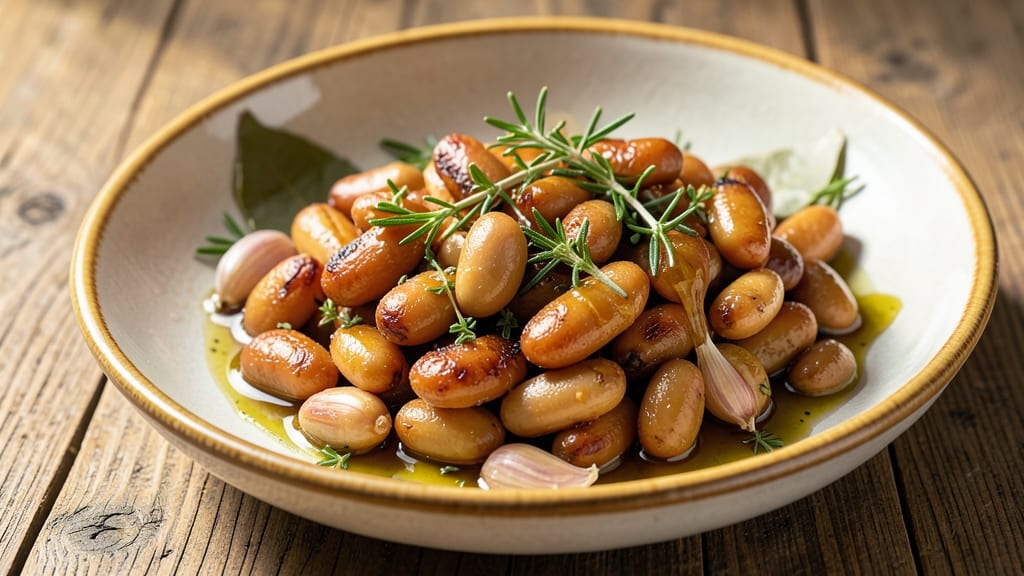
Bean confit recipe transforms simple dried beans into melt-in-your-mouth tender bites preserved in aromatic oil—a technique that bridges rustic tradition and modern convenience. This method, rooted in French cuisine but adaptable worldwide, turns tough haricots blancs or cannellini into silky, flavorful morsels that keep beautifully for days. The secret lies in slow-cooking beans until fork-tender, then preserving them in their cooking liquid infused with garlic, herbs, and olive oil.
What sets this dish apart is its versatility—equally at home as a hearty main course or elegant side dish. The beans develop a delicate, almost custard-like texture while absorbing the rich flavors of the confit oil, which can be reused for dipping or finishing dishes.
For dietary flexibility, simply substitute traditional duck fat with high-quality olive oil for a vegan-friendly version that doesn't compromise on flavor.
By the time you're done, you'll have beans that are restaurant-quality in texture and depth—tender enough to fall apart with gentle pressure yet sturdy enough to hold their shape. The process requires patience (about 3-4 hours of simmering), but the results are worth every minute.
Serve with crusty bread to soak up the fragrant oil or alongside roasted vegetables for a complete meal.
This recipe also works beautifully as a make-ahead dish, making it perfect for meal prep or entertaining. The confit oil keeps for weeks in the refrigerator, allowing you to build flavor over time.
Whether you're recreating a classic French technique or adapting it to your kitchen, the result is a dish that's both impressive and comforting—ideal for any occasion where you want to elevate simple ingredients.
Ingredients for bean confit
Simple dried beans and aromatic oil transform into restaurant-quality confit—just ten ingredients, hours of flavor.
| Ingredient | Amount | Notes |
|---|---|---|
| Haricots Blancs or Cannellini Beans 🌾 | 1 ½ cups | Dried beans, soaked overnight |
| Extra-Virgin Olive Oil 🫒 | 1 ½ cups | High-quality, fruity variety |
| Garlic Cloves 🧄 | 6 cloves | Peeled, lightly smashed |
| Fresh Thyme 🌿 | ½ cup | Stems removed, loosely packed |
| Fresh Rosemary 🌿 | 2 sprigs | Fresh sprigs, not dried |
| Bay Leaves 🍃 | 2 whole | Dried or fresh |
| Vegetable Broth 💧 | 4 cups | Low-sodium preferred |
| Sea Salt 🧂 | 1 ½ tsp | Diamond Crystal preferred |
| Black Peppercorns 🌶️ | 1 tsp | Freshly cracked |
| Crusty Bread 🍞 | 1 loaf | For serving, optional |
| Lemon Zest 🍋 | 1 tsp | Freshly grated |
| Fresh Parsley 🌿 | ¼ cup | Chopped, for garnish |
The beans are the foundation, so haricots blancs or cannellini work best—they hold their shape while becoming silky. Soak them overnight (or quick-soak with boiling water) to cut down on cooking time. For the oil, extra-virgin olive oil is non-negotiable—it needs to be fruity and high-quality, not that cheap cooking oil. Trader Joe's or Whole Foods bulk sections have great options. The garlic should be lightly smashed, not minced—it releases flavor better whole. Fresh herbs are ideal, but if you're using dried, cut the amount to one-third. The bay leaves add depth, so don't skip them.
No fresh thyme? Dried thyme at one-third the amount works, but it won't have the same brightness. Running short on olive oil? Avocado oil is a great substitute—neutral flavor, high smoke point. The vegetable broth can be swapped for water plus 1 tsp soy sauce if you're out, but the umami makes a difference. For extra richness, add 1 tbsp tomato paste to the cooking liquid. The lemon zest at the end brightens everything—don't skip this part. And if you're making a big batch, double the oil so you have plenty for dipping.
The confit oil keeps for up to 2 weeks in the fridge, and the beans stay tender for 5 days submerged in it. Store both in airtight containers—glass jars work best. The oil can be reused for dipping bread or finishing dishes, so make extra. If you're prepping ahead, the beans can be frozen for 3 months in the oil. Just thaw in the fridge before serving. The bread should be toasted fresh to soak up all that fragrant oil—nothing beats it straight from the oven.
Why You'll Love This Recipe
- Here’s what sold me: that first bite where the crispy edges meet the tender inside, all wrapped in a punch of garlic and thyme. The olive oil turns golden and fragrant, and suddenly, something so simple tastes like it belongs at a dinner party. (Yes, even on a Tuesday night.)
- One-Pot Magic: I swear by this—just toss the beans, oil, and herbs in one pot, let it simmer, and walk away. No chopping, no fussing, no extra pans. That’s it. The beans soak up all that garlic and rosemary like a dream, and you’re left with something that tastes like it simmered all day (but didn’t).
- Herb-Infused Bliss: Here’s what sold me: that first bite where the crispy edges meet the tender inside, all wrapped in a punch of garlic and thyme. The olive oil turns golden and fragrant, and suddenly, something so simple tastes like it belongs at a dinner party. (Yes, even on a Tuesday night.)
- Meal Prep MVP: Between us, this is my go-to for lazy Sundays or busy weeks. Make a big batch—it keeps for days in the fridge—and toss it into salads, pasta, or even a charcuterie board. My kids grab it for school lunches (they call it “fancy beans”), and my partner sneaks seconds when he thinks I’m not looking.
Step-by-step instructions for slow-cooked bean confit
Here's how to transform simple beans into a luxurious confit with layers of herb-infused oil.
👨🍳 Step 1: Prepare the Beans and Herb Oil
Start by draining the soaked haricots blancs or cannellini beans and patting them dry thoroughly with paper towels. This step is crucial—any moisture will prevent the oil from properly infusing the beans. In a large Dutch oven, combine the 1.5 cups extra-virgin olive oil, 6 cloves garlic, 0.5 cup fresh thyme, 2 sprigs fresh rosemary, and 2 whole bay leaves. Heat this mixture over low heat for 5 minutes, just until the herbs begin to release their aroma but aren't browning.
I like to use a gentle heat here because we want the oil to absorb the flavors gradually, not burn them. Remove the pan from heat and let the herb oil cool slightly—this prevents the beans from cooking too quickly when we add them later. The oil should still be warm but not hot to the touch.
🍳 Step 2: Confit the Beans in Herb Oil
Add the drained beans to the warm herb oil, making sure they're fully submerged. If any beans float to the surface, gently press them down with a wooden spoon. Cover the Dutch oven with a lid and transfer it to a 275°F oven for 2 hours. This low temperature allows the beans to cook gently in the oil, absorbing all those aromatic flavors without drying out.
Here's the thing—don't peek or stir during this time. Every time you open the oven, you risk losing heat and moisture, which can make the beans tough. The beans are done when they're tender but still hold their shape, and the oil has taken on a rich, golden hue from the herbs.
🥘 Step 3: Simmer with Broth and Seasonings
After the initial confit, remove the beans from the oven and let them cool slightly in the oil. In a separate saucepan, combine the 4 cups vegetable broth, 1.5 tsp sea salt, and 1 tsp black peppercorns. Bring this to a gentle simmer over medium heat, then carefully add the beans and their infused oil. Stir gently to combine, then reduce the heat to low and let it simmer uncovered for 30 minutes. This step deepens the flavors and ensures the beans are fully tender.
You'll know it's ready when the beans are fork-tender and the liquid has reduced slightly, creating a thick, aromatic sauce. The oil should now have a beautiful, golden color with visible herb flecks—this is what makes confit so special.
🍽️ Step 4: Finish and Serve
Remove the beans from the heat and stir in the 1 tsp lemon zest. This brightens the dish and cuts through the richness of the oil. Taste and adjust the seasoning if needed—you might need a bit more salt, depending on your broth. Let the confit sit for 5 minutes off the heat so the flavors meld together.
To serve, spoon the beans onto plates, drizzling generously with the herb-infused oil and any remaining sauce. Garnish with 0.25 cup chopped fresh parsley and serve with slices of crusty bread on the side. The contrast of the warm, tender beans with the cool, crisp bread is pure comfort food at its finest.
Pro Tips For Making Bean Confit
- Parboil First: Skip the raw beans straight into the confit—soak them overnight instead, then parboil for 10 minutes. This softens them evenly, so they absorb the oil and herbs properly without turning mushy. I learned this the hard way when my first batch split like overcooked pasta.
- Use Low Heat: Confit beans on low heat—think simmer, not bubble. High heat burns the olive oil and turns it bitter, and the beans won’t get tender. After burning three batches, I finally figured out that patience here means flavor later.
- Toast the Herbs: Lightly crush the thyme and rosemary sprigs, then fry them in a dry pan for 30 seconds until fragrant. This releases their oils, making the confit smell like a Provençal market. Sounds weird, but it works—your beans will taste deeper.
- Drain, Then Recoat: After parboiling, drain the beans thoroughly before adding fresh oil and herbs. Any leftover water dilutes the flavor and makes the confit greasy. My grandmother swore by this, and she was right: dry beans = rich, silky texture.
Troubleshooting this dish
Oil Too Thin?
If your confit oil looks too watery or the beans aren’t properly coated, reduce the liquid in the simmering phase. After the initial 2-hour oven confit, transfer the beans to a colander and let the oil drain back into the Dutch oven.
Simmer the oil alone over low heat for 5-10 minutes to evaporate excess moisture before adding the beans back. This creates a more concentrated, flavorful oil that clings beautifully to the beans. 🌡️
Beans Not Tender?
Undercooked beans are usually the result of insufficient time or too much liquid. First, ensure you’re using dried beans (never canned)—they need the slow cooking to break down.
If after 2 hours in the oven they’re still firm, add ½ cup more broth and continue simmering uncovered for another 30 minutes. For extra insurance, add a ½-inch slice of kombu seaweed (found in Asian markets) to the broth—it naturally softens beans without altering flavor.
Herb Flavors Weak?
Fresh herbs are key here, but if yours aren’t releasing enough aroma, try this trick: Lightly toast the thyme and rosemary sprigs in a dry pan over medium heat for 30 seconds before adding them to the oil. This intensifies their flavors.
Another tip—crush the garlic cloves slightly with the flat side of your knife before adding them to the oil. The broken cell walls release more flavor. For dried herbs, use twice the amount but add them later in the simmering phase.
Oil Smells Burnt?
Burnt oil is usually from overheating during the initial infusion. Keep the heat at low and never let it smoke. If you notice a burnt smell, immediately remove the pan from heat and let it cool.
Strain out the herbs and start fresh with a new batch of oil—burnt flavors ruin the delicate balance of this dish. For extra protection, use a thermometer to monitor oil temperature (ideal range is 160-180°F).
Beans Floating?
Beans float when they’re not fully submerged in oil, which prevents even cooking. Before oven-baking, gently press any floating beans down with a wooden spoon. For stubborn floaters, add just enough warm broth (about ¼ cup) to cover them completely.
The oil should be the primary cooking medium, so avoid adding too much liquid—this dilutes the flavor. A slotted spoon makes it easy to press beans down without damaging them.
Storage Issues?
If your confit oil develops an off smell or the beans taste bland after storage, it’s likely from oxidation or contamination. Always store the beans submerged in oil in an airtight glass jar with no headspace (fill to the top).
The oil should cover the beans completely to prevent air exposure. For longer storage (beyond 5 days), transfer to the freezer where it’ll keep for up to 3 months.
When reheating, warm gently in the oil over low heat—never microwave, as it can make the beans mushy.
Nutrition facts
Frequently asked questions
What’s the best bean variety for confit?
Haricots blancs (navy beans) or cannellini beans work best—they hold their shape while becoming silky. Avoid small beans like lentils or black beans, as they can turn mushy. For extra richness, try great northern beans, which absorb flavors beautifully.
Can I make this recipe without animal fat?
Use extra-virgin olive oil or avocado oil for a vegan-friendly version. The key is high-quality oil with a fruity flavor—just avoid refined oils that lack depth. The texture stays just as tender, and the herb infusion works perfectly.
How long can I store bean confit?
Store the beans submerged in oil in an airtight glass jar in the fridge for 5-7 days. The oil keeps separately for 2 weeks—great for dipping bread or finishing dishes. For longer storage, freeze the beans in the oil for up to 3 months. Thaw in the fridge before serving.
Why do my beans turn out mushy?
Mushy beans usually mean overcooking or too much liquid. Stick to dried beans (never canned) and follow the 2-hour oven time exactly. If using a slow cooker, reduce the time to 1.5 hours on low. For extra firmness, add a ½-inch slice of kombu seaweed to the broth.
What’s the best way to reheat bean confit?
Gently warm the beans in their oil over low heat for 5-10 minutes—never microwave, as it can make them rubbery. For extra flavor, add a splash of warm broth and a pinch of salt. If the oil has separated, stir it back in before serving.