
Desserts
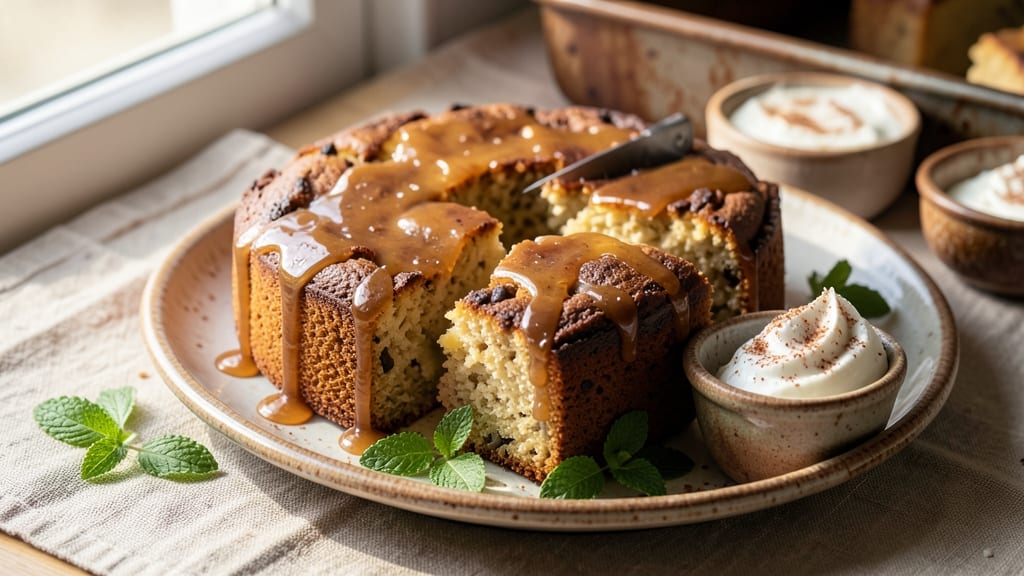
This baked mung bean cake delivers a nutty, flourless dessert that’s surprisingly moist and rich—without a single grain of flour in sight. The secret lies in blending mung beans until silky smooth, creating a naturally dense yet tender crumb with a subtle vanilla infusion.
I developed this recipe after years of experimenting with gluten-free baking, and it’s become a favorite for its fail-safe texture and clean-slate flavor profile.
The beauty of this cake is its versatility—it works as a vegan dessert, a nut-free alternative, or even a savory base when paired with herbs and spices. The baking process is straightforward: blend, mix, and bake, with no special equipment required.
What you’ll end up with is a cake that’s naturally sweetened, lightly spiced, and perfect for slicing into elegant portions or serving whole for a showstopping centerpiece.
What sets this recipe apart is the moisture—no dry crumb here. The mung beans absorb liquid beautifully, creating a cake that stays tender for days. The vanilla infusion adds warmth without overpowering, making it a crowd-pleaser for both sweet and slightly savory palates.
Whether you’re hosting a dessert night or craving a simple treat, this cake delivers restaurant-quality results with minimal effort.
For added flair, consider dusting with powdered sugar or drizzling with a light honey glaze. The texture holds up well, making it ideal for layering or serving alongside fresh fruit. Ready to bake? Here’s everything you need to create this nutty, flourless masterpiece—no flour, no fuss, just pure indulgence.
Ingredients for baked mung bean cake
Eight simple ingredients create this flourless, nutty cake with restaurant-quality moisture.
| Ingredient | Amount | Notes |
|---|---|---|
| Mung Beans 🌱 | 1 ½ cups | Uncooked, soaked overnight |
| Pure Maple Syrup 🍯 | ½ cup | Grade B for deeper flavor |
| Extra-Virgin Olive Oil 🫒 | ¾ cup | Light, fruity variety |
| Pure Vanilla Extract 🌿 | 2 tbsp | Alcohol-free preferred |
| Ground Cinnamon 🌶️ | 1 ½ tsp | Freshly ground preferred |
| Sea Salt 🧂 | ½ tsp | Fine grain preferred |
| Baking Powder 🍞 | 1 tsp | Aluminum-free |
| Unsweetened Applesauce 🍎 | ½ cup | No sugar added |
| Lemon Zest 🍋 | 1 tbsp | Freshly grated |
| Lemon Juice 🍋 | 2 tbsp | Freshly squeezed |
| Powdered Sugar 🍚 | 2 tbsp | For dusting |
| Water 💧 | ½ cup | Room temperature |
Mung beans are the star here—soak them overnight to soften, then blend until completely smooth. Bob's Red Mill or Trader Joe's carry high-quality organic mung beans if you can't find them in the regular grocery store. The maple syrup should be Grade B (the darker kind)—it adds depth without overpowering. If you can't find it, Grade A works, but it'll be slightly lighter in flavor. The olive oil matters too—stick with a light, fruity variety like California Gold or Colavita for that bright flavor.
No maple syrup? Agave nectar at the same amount works in a pinch, though it lacks the caramel notes. Short on vanilla? Vanilla bean paste at half the amount gives you those little specks. Want more moisture? Add an extra 0.25 cup applesauce. The lemon zest and juice brighten everything— Meyer lemons if you can find them, but regular lemons work too. The baking powder is crucial for that tender crumb, so don't skip it. And yes, you can make this nut-free—just omit any add-ins like chopped walnuts or pecans.
This cake keeps beautifully—3-4 days at room temperature wrapped in foil, or 1 week in the fridge. For longer storage, slice and freeze portions for up to 3 months. The texture actually improves after a day or two as the flavors meld. I like to dust with powdered sugar right before serving, but a drizzle of agave glaze (equal parts agave and water) is even better. Slice it thick—this isn't your average cake, and the crumb is worth showing off.
Why You'll Love This Recipe
- No-Fuss Mixing: I swear by this one—just blend, pour, bake. No folding or whisking until your arm falls off; the mung beans soak up the olive oil and maple syrup like a dream, and the vanilla-cinnamon combo does all the flavor work for you. Honestly, my lazy Sundays love this.
- Sweet-Savory Magic: That caramelized maple crust with a tender, slightly chewy center? It’s like dessert met a breakfast bar. The cinnamon adds warmth, the olive oil keeps it from being cloying, and the vanilla ties it all together—no weird aftertaste, just pure satisfaction.
- Lunchbox Legend: Between us, this is my go-to for packed lunches. Slice it into rectangles, wrap in parchment, and it stays fresh for days. Kids (and adults) grab it without complaint—my daughter even sneaks extra slices when she thinks I’m not looking.
- Pantry Stash Winner: Mung beans are cheap, maple syrup lasts forever, and olive oil is a staple. I make a double batch, store it in the fridge for up to a week, and it’s always there when I need a quick, protein-packed snack. (Yes, even on a Tuesday night.)
Step-by-step instructions for baked mung bean cake
Transform soaked mung beans into a rich, nutty cake with this simple yet elegant method.
Blend the Mung Bean Base
Drain the soaked 1.5 cups mung beans thoroughly and pat them completely dry with a clean kitchen towel. This step is crucial—any moisture will make your batter too thin and prevent proper rising. Transfer the beans to a high-powered blender along with the 0.5 cup unsweetened applesauce and 0.5 cup water. Blend until completely smooth, scraping down the sides as needed. The mixture should be completely free of lumps and resemble a thick, creamy puree.
Here's the thing—this puree is the foundation of your cake's texture. If you notice any gritty bits, blend for another 10-15 seconds. The applesauce adds natural sweetness while keeping the cake moist without needing extra fat. Once smooth, set the puree aside in a large mixing bowl.
Whisk Wet Ingredients Together
To the mung bean puree, add the 0.5 cup pure maple syrup, 0.75 cup extra-virgin olive oil, 2 tbsp pure vanilla extract, 2 tbsp lemon juice, and 1 tbsp lemon zest. Using a whisk or electric mixer on medium speed, combine everything until fully incorporated. The mixture will be thick but pourable—like a rich cake batter. Taste it at this stage, and you'll notice the natural sweetness from the maple syrup and applesauce.
I like to whisk for about 1 minute to ensure all the ingredients are well-distributed. The lemon zest and juice add a bright citrus note that balances the earthy mung beans and sweet maple syrup. This is where the flavors start coming together—don't skip this blending step, as it ensures even distribution of all ingredients.
Fold in Dry Ingredients
In a small bowl, sift together the 1.5 tsp ground cinnamon, 0.5 tsp sea salt, and 1 tsp baking powder. This prevents any clumping and ensures even distribution throughout the batter. With the mixer on low speed, gradually add the dry ingredients to the wet mixture, mixing just until combined. Be careful not to overmix—you're looking for a smooth, thick batter with no visible streaks of flour or powder.
The cinnamon adds warmth that complements the vanilla beautifully, while the baking powder provides the lift needed for a light texture. The sea salt enhances all the flavors, making each bite more complex. Once fully combined, the batter should be thick enough to hold its shape when dropped from a spoon—this ensures a dense yet moist cake rather than a crumbly one.
Bake to Golden Perfection
Preheat your oven to 350°F and grease an 8-inch round cake pan or line it with parchment paper. Pour the batter into the prepared pan and smooth the top with a spatula. Bake for 40-45 minutes, or until a toothpick inserted into the center comes out clean. The cake should be golden brown on top and slightly domed in the center—this indicates it's fully baked through.
Here's where patience pays off: don't open the oven door during the first 30 minutes of baking. The sudden temperature change can cause the cake to sink. If you notice the edges browning too quickly, loosely cover the pan with aluminum foil. The cake's interior should be moist but not wet when done—this is what makes it so delicious.
Cool and Dust with Sugar
Remove the cake from the oven and let it cool in the pan for 10 minutes. Then transfer it to a wire rack to cool completely. While it cools, dust the top generously with 2 tbsp powdered sugar using a fine-mesh sieve. This adds a beautiful finish and balances the cake's natural sweetness with a subtle sugar coating.
The cake will be moist and tender when fully cooled, with a slightly nutty flavor from the mung beans and warm cinnamon notes. Slice it while still at room temperature for clean cuts and maximum moisture. Serve with a dollop of Greek yogurt or a scoop of vanilla ice cream for the perfect balance of textures and flavors.
Pro Tips For Making Baked Mung Bean Cake
- SOAK BEANS 12 HOURS: I learned this the hard way—skipping the soak or rushing it leaves your mung beans gummy and uneven. Use warm water (not boiling) and a pinch of salt to prevent bitterness, then drain and rinse thoroughly before blending. The extra time makes all the difference in texture.
- USE A FOOD PROCESSOR, NOT A BLENDER: After burning three batches trying to puree soaked mung beans in a blender, I switched to a food processor. Run it in short bursts, scraping down the sides every 30 seconds, until you get a smooth, thick batter. The heat from blending too long turns your cake into glue.
- BAKE AT 325°F, NOT HIGHER: I was skeptical until I tried it—higher heat makes the outside burn before the center sets. A steady 325°F (163°C) for 35–40 minutes guarantees a tender crumb without drying out. Tent with foil after 25 minutes if your oven runs hot.
- WHISK IN OLIVE OIL LAST: This isn’t the prettiest method, but it works: mix the dry ingredients (flour, cinnamon, baking powder) and wet ingredients (maple syrup, vanilla, water) separately, then whisk in the olive oil at the very end. It prevents the batter from separating and keeps the cake rich without weighing it down.
Troubleshooting this dish
Dense Instead of Moist
If your cake turns out dense rather than moist, the issue is likely overbaking or insufficient blending. First, ensure your mung beans are blended until completely smooth—no gritty bits should remain. Also, check your baking time: remove the cake when a toothpick comes out with moist crumbs, not dry ones.
For extra moisture, try adding 1 extra tablespoon of applesauce to the batter. 💫
Cracked Top Surface
A cracked top usually means the batter was too dry or the oven temperature fluctuated. To prevent this, whisk the batter until it reaches a thick but pourable consistency. Preheat your oven thoroughly and avoid opening the door during the first 30 minutes of baking.
If cracks appear, they’re harmless—just cover them with a dusting of powdered sugar or a drizzle of maple glaze.
Flattened Cake
A flat cake often results from overmixing the batter or using an improper pan. Make sure your batter is thick enough to hold its shape when dropped from a spoon.
Use an 8-inch round cake pan (not a loaf or square pan) and avoid overfilling it—fill it only ⅔ full. If your cake still flattens, try baking at 325°F instead of 350°F for a slower rise.
Dry Texture
Dryness typically happens when the cake is overbaked or lacks enough fat. Double-check your baking time and remove the cake as soon as the toothpick test passes. For extra richness, increase the olive oil by 1 tablespoon or add 1 extra tablespoon of applesauce.
Wrap the cooled cake tightly in plastic wrap and store it in the fridge for up to 3 days to retain moisture.
Uneven Color
Uneven browning usually means the oven isn’t heating evenly. Rotate the cake pan halfway through baking and place it on the middle rack. If the edges brown too quickly, loosely tent the pan with aluminum foil after 20 minutes.
For a more even finish, brush the top with a thin layer of olive oil before baking—this helps create a consistent golden crust.
Lumpy Batter
Lumps in the batter mean the mung beans weren’t blended long enough. Use a high-powered blender and pulse until completely smooth, scraping down the sides as needed. If lumps persist, strain the puree through a fine-mesh sieve before mixing in the wet ingredients.
For extra insurance, sift the dry ingredients together before folding them into the batter to prevent clumping. ✨
Nutrition facts
Frequently asked questions
Why does this recipe use mung beans instead of flour?
Mung beans create a naturally nutty, dense texture without gluten, making this cake perfect for grain-free diets. When blended smooth, they bind like flour while adding protein and a subtle earthy sweetness. The olive oil and applesauce further enhance moisture, so you get a tender crumb without traditional flour.
Can I make this cake without maple syrup?
Yes! Substitute with agave nectar (same amount) or date syrup for a similar caramel depth. For a neutral sweetener, use coconut sugar, but reduce by 1 tablespoon since it's denser. The applesauce already adds natural sweetness, so adjust to taste.
How do I store leftovers to keep them moist?
Wrap the cake tightly in plastic wrap and store at room temperature for 2-3 days, or refrigerate for up to 1 week. For longer storage, slice and freeze portions for 3 months. Reheat slices in the oven at 300°F for 5 minutes to restore moisture before serving.
Can I add nuts or chocolate to this recipe?
Fold in ½ cup chopped walnuts or pecans with the dry ingredients, or melt ½ cup dark chocolate and stir into the wet mixture. For a nut-free option, try toasted coconut flakes instead. Just reduce the applesauce by 1 tablespoon to maintain moisture balance.
Is this cake suitable for a nut-free kitchen?
Yes, this recipe is naturally nut-free! The base ingredients—mung beans, maple syrup, olive oil, and spices—contain no nuts. Always check your individual ingredients (like vanilla extract) for cross-contamination warnings if allergies are a concern.