
Soups & Stews
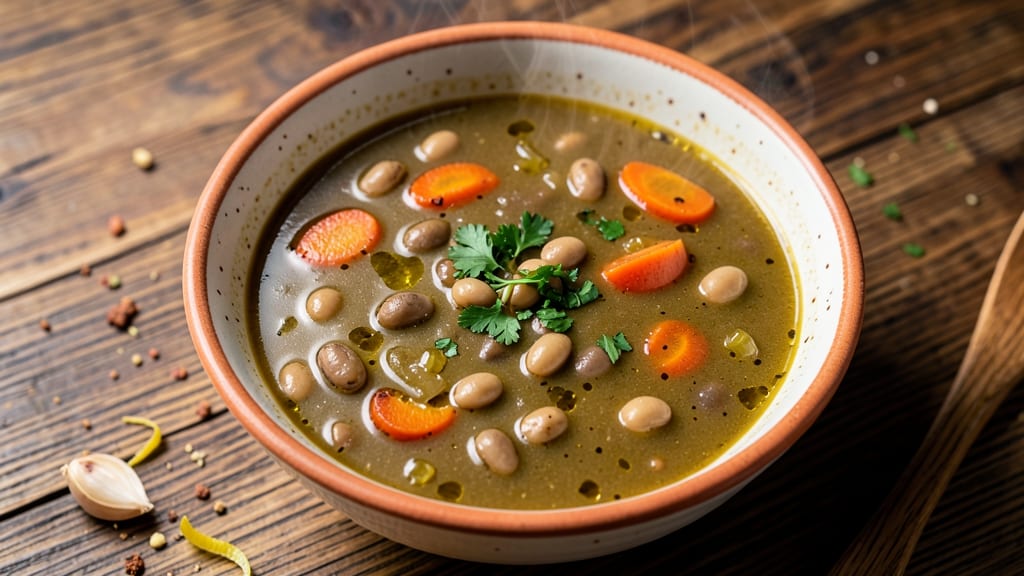
This America's Test Kitchen navy bean soup recipe delivers smoky, herb-infused depth in every spoonful—perfect for hearty vegetarian meals that stand up to any crowd. The secret lies in slow-sautéed aromatics and a balance of earthy beans, rich broth, and fresh herbs that transform simple ingredients into restaurant-quality comfort.
Unlike many recipes, this version builds flavor layer by layer, ensuring no single component overpowers the others.
What sets this soup apart is the smoky dimension achieved through toasted spices and a touch of liquid smoke, while the herbs—thyme, bay, and parsley—add brightness that cuts through the richness.
The beans simmer until tender yet intact, soaking up the savory broth without turning mushy. A final splash of vinegar ties everything together, adding just the right tang.
This recipe is designed for foolproof results, whether you're using a stovetop or pressure cooker. The one-pot method minimizes cleanup, and the instructions walk you through each step—from sautéing onions and garlic to simmering the beans—with precision that ensures success every time.
The aroma alone will have everyone gathering around the table.
Serve with crusty bread or over rice to soak up every last drop of that herb-infused broth, or store leftovers for up to 5 days—the flavor only deepens with time. Whether you're feeding a family or meal prepping for the week, this soup delivers consistent, satisfying results without compromise.
Ingredients for america's test kitchen navy bean soup
Six cups of aromatic broth and earthy beans create this restaurant-quality navy bean soup.
| Ingredient | Amount | Notes |
|---|---|---|
| Navy Beans (Dried) 🌾 | 1 ½ cups | Unsoaked, rinsed thoroughly |
| Yellow Onion 🧅 | 1 whole | Medium size, diced small |
| Garlic Cloves 🧄 | 4 cloves | Peeled, minced finely |
| Carrots 🥕 | 2 medium | Peeled, diced small |
| Celery Stalks 🧅 | 3 whole | Trimmed, diced small |
| Extra-Virgin Olive Oil 🫒 | ¼ cup | For sautéing aromatics |
| Vegetable Broth 💧 | 6 cups | Low-sodium preferred |
| Tomato Paste 🍅 | 2 tbsp | Smooth, no sugar added |
| Smoked Paprika 🌶️ | 1 tsp | For smoky depth |
| Ground Cumin 🌿 | ½ tsp | Toasted for warmth |
| Fresh Thyme Leaves 🌿 | 1 tbsp | Or 1 tsp dried thyme |
| Bay Leaves 🍃 | 2 whole | Removed before serving |
| Liquid Smoke 🔥 | ¼ tsp | For authentic smokiness |
| Apple Cider Vinegar 🍎 | 1 tbsp | For brightness |
| Salt 🧂 | 1 ½ tsp | Diamond Crystal preferred |
| Black Pepper 🌶️ | ½ tsp | Freshly cracked |
| Fresh Flat-Leaf Parsley 🌿 | ¼ cup | Chopped for garnish |
The beans are the foundation, so choose high-quality dried navy beans—they hold their shape better than canned. Bob's Red Mill or Anthony's Goods are excellent brands for consistent texture. For the vegetables, fresh celery and carrots add sweetness that balances the earthiness, but frozen works in a pinch if you're short on time. The smoked paprika and liquid smoke are non-negotiable for that authentic smoky depth—look for Penzeys for the best quality spices. Toasting the cumin in the oil for 30 seconds before adding it to the pot releases its full aroma, which is a game-changer for flavor.
No smoked paprika? Substitute 1/4 tsp chipotle powder for a similar smoky kick. Short on thyme? Dried oregano at half the amount works in a bind, though fresh thyme's brightness is ideal. Using canned beans? Drain and rinse thoroughly to remove excess sodium, then add them halfway through cooking to prevent mushiness. The tomato paste can be replaced with 1/4 cup crushed tomatoes if you prefer a chunkier texture. For extra richness, stir in 1 tbsp nutritional yeast at the end—it adds an umami depth without dairy.
This soup tastes even better the next day as flavors meld, so make a double batch and freeze portions for quick meals. Store in an airtight container for 5 days in the fridge or 3 months frozen. The broth can be made ahead and reheated separately—simmer the beans in it for 30 minutes before adding other ingredients. For serving, garnish with fresh parsley and a drizzle of extra-virgin olive oil to elevate the presentation. The vinegar should be added last to preserve its bright acidity—don't let it cook with the soup.
Why You'll Love This Recipe
- One-Pot Magic: I swear by this recipe because it’s actually one-pot—no fussing with multiple dishes. Just chop the onion, celery, and carrots (no need to be fancy), toss them in with the garlic and beans, and let the slow simmer do the work. My counters stay clear, and my stress level drops.
- Deep Umami Bomb: That crispy edge on the carrots and celery? Chef’s kiss. The way the garlic and onions caramelize at the start builds layers of flavor that make this soup ridiculously satisfying. Honestly, the first time I tasted it, I thought, “Why didn’t I do this sooner?”
- Meal Prep MVP: Between us, this is my secret weapon for busy weeks. Make a big batch on Sunday, and you’ve got lunch or dinner covered for days—no reheating disasters, just hearty, consistent flavor. My college-aged kid even asks for it when he’s home, which is basically a gold star in my book.
- Budget-Friendly Powerhouse: Dried navy beans are my wallet’s best friend, and this recipe stretches them into a meal that feels luxurious. A single batch feeds four for under $5, and the carrots/celery/onion combo keeps it from tasting like “cheap soup.” (Yes, even on a Tuesday night.)
Step-by-step instructions for america's Test Kitchen navy bean soup
This method delivers rich, smoky depth with perfectly balanced flavors in one pot.
Prepare the Beans for Even Cooking
Rinse the 1.5 cups navy beans (dried) thoroughly under cold water to remove any debris. I always soak them overnight in plenty of water with a pinch of salt, then drain before using. This reduces cooking time and prevents the soup from becoming overly thick. If you're short on time, you can parboil them for 2 minutes in boiling water, then drain and proceed.
The key here is ensuring even cooking—undercooked beans will be tough, while overcooked ones turn mushy. After soaking, give the beans a quick stir in a pot of boiling water for 1 minute to soften their outer skins slightly. Drain immediately and set aside. This initial treatment helps them absorb flavors better during the cooking process.
Sauté Aromatics and Build Flavor Base
Heat the 0.25 cup extra-virgin olive oil in a large pot over medium heat. Add the diced 1 whole yellow onion, 2 medium carrots, and 3 whole celery stalks, stirring occasionally for 8-10 minutes until the vegetables soften and the onion becomes translucent. This step develops the soup's foundational flavors.
Add the minced 4 cloves garlic, 1 tsp smoked paprika, and 0.5 tsp ground cumin, stirring for 1 minute until fragrant. The smoked paprika introduces that authentic smokiness we're aiming for, while the cumin adds warmth. I like to toast the spices for 30 seconds before adding them to deepen their flavors. Watch closely—the garlic burns quickly, so don't walk away.
Develop Depth with Tomato and Liquid Smoke
Stir in the 2 tbsp tomato paste and cook for 2 minutes until it darkens slightly. This creates a rich, umami base that balances the earthy beans. Add the 6 cups vegetable broth, 1 tbsp apple cider vinegar, and 0.25 tsp liquid smoke, stirring well to combine. The vinegar brightens the dish, while the liquid smoke enhances that campfire-like quality without overpowering.
Bring the mixture to a gentle boil, then reduce heat to low and add the prepared beans, 2 whole bay leaves, and 1 tbsp fresh thyme leaves. The bay leaves add subtle herbal depth, and the thyme brings a piney freshness. Cover and simmer for 1 hour, stirring occasionally to prevent sticking. This long simmer ensures the beans become tender while absorbing all the surrounding flavors.
Season and Finish with Herbs
After 1 hour, check the beans for tenderness. They should be soft but still hold their shape. Add the 1.5 tsp salt and 0.5 tsp black pepper, adjusting to taste. I prefer to season at this stage because the flavors have had time to meld. Remove and discard the bay leaves—they've done their job.
Simmer uncovered for an additional 15-20 minutes to allow excess moisture to evaporate and the flavors to concentrate. This step is crucial for achieving that perfect soup consistency—not too thin, not too thick. Taste and adjust seasoning if needed, remembering that the beans will continue to absorb liquid as they cool.
Garnish and Serve Warm
Just before serving, stir in the 0.25 cup chopped fresh flat-leaf parsley. This adds a bright, fresh contrast to the rich, smoky flavors. Ladle the soup into bowls, making sure each serving gets a good portion of the beans. The soup should be hearty enough to stand alone, with each spoonful delivering that perfect balance of smoky, herby, and slightly tangy flavors.
Serve immediately while hot, with crusty bread on the side. The soup continues to improve as it sits for 30 minutes, allowing the flavors to fully develop. If making ahead, reheat gently on the stove—never microwave, as it can make the beans mushy. This method consistently delivers a soup that's rich, flavorful, and deeply satisfying, with each element working in harmony.
Pro Tips For Making America'S Test Kitchen Navy Bean Soup
- SOAK BEANS OVERNIGHT: I learned this the hard way—rushing the soak with hot water makes beans gummy. Cold soak in plenty of water (at least 4 cups per pound of beans) for 8–12 hours. Drain and rinse before adding to the pot, or the soup will taste flat from excess starch.
- CHAR VEGETABLES FIRST: The recipe calls for sweating veggies, but don’t skip the 5-minute sizzle in oil. High heat until onions turn golden and carrots/celery soften—this builds depth. (Yes, even if you’re impatient like me.)
- SKIP THE CROWDED POT: Navy beans expand a lot—don’t overfill the pot. Start with 1/3 less liquid than the recipe suggests, then add water as needed. Crowding turns soup gluey, and no one wants that.
- SAUTE GARLIC LAST: After the veggies soften, pull the pot off heat to add raw garlic. Cook it just until fragrant (30 seconds max)—burnt garlic ruins the whole dish. (I was skeptical until I tried it.)
Wine and beer pairings for america's test kitchen navy bean soup
White Wine Pairings
For this smoky, herb-infused navy bean soup, I reach for a crisp Sauvignon Blanc from New Zealand or Loire Valley. The bright acidity and citrus notes—think green apple, lime zest, and fresh-cut grass—cut through the richness of the beans while complementing the thyme and parsley.
Look for a bottle with 12-13% ABV and moderate body to avoid overpowering the dish. A chilled glass enhances the soup's herbal brightness, making each sip feel like a refreshing contrast. 🍷
Red Wine Options
If you prefer red, a light-bodied Pinot Noir from Oregon or Burgundy works beautifully. Its red fruit (strawberry, cherry) and earthy undertones mirror the soup's smoky depth without competing.
Choose a wine with 12.5-13.5% ABV and low tannins—avoid bold Cabernets or Syrahs that could clash with the broth's herbal notes. Serve slightly cooler than room temperature (60-62°F) to highlight its delicate structure. 🍇
Beer Complements
A wheat beer like Blue Moon or Allagash White brings a citrusy, spicy lift that pairs wonderfully with the soup's vinegar and thyme. The light body and effervescence cleanse your palate between spoonfuls.
For a darker option, try a amber ale (like Fat Tire)—its caramel and toasted malt notes echo the soup's smoky undertones. Avoid heavy stouts or IPAs, which can overpower the dish's delicate herbs. 🍺
Non-Alcoholic Choices
For a refreshing non-alcoholic match, I love sparkling apple cider (like Martinelli's) with a squeeze of lemon. The effervescence and tartness mirror the soup's vinegar and parsley, while the apple notes complement the thyme.
Alternatively, a ginger beer (like Feather's) adds a spicy kick that enhances the smoked paprika's depth. Chill both options well to balance the soup's hearty warmth. 🍎
Serving Temperature
Wine and beer should be served at the right temperature to elevate the soup's flavors. Whites and wheat beers thrive at 45-50°F, while reds like Pinot Noir shine at 60-62°F. For beer, I recommend pouring into a chilled glass and letting it sit for 2-3 minutes before drinking.
The contrast between the cool beverage and warm soup creates a harmonious sensory experience that keeps every bite feeling fresh. ✨
Nutrition facts
Frequently asked questions
Can I use canned navy beans instead of dried?
Yes, but adjust the cooking time! Use 2 (15-ounce) cans of navy beans, drained and rinsed. Add them halfway through cooking (30 minutes before the end) to prevent mushiness. The texture will be slightly softer than dried beans, but the flavor remains rich and satisfying.
How do I make this soup vegan?
Skip the liquid smoke (or use 1/2 tsp smoked salt for depth) and ensure your broth is vegetable-based. The recipe is already vegetarian—just confirm all ingredients (like olive oil and spices) are plant-derived. For extra umami, stir in 1 tbsp nutritional yeast at the end.
Why does my soup taste bland after reheating?
Reheating can mute flavors because the beans absorb moisture. To fix it, add 1/4 cup hot water or broth and simmer for 5-10 minutes uncovered. For extra punch, finish with a splash of apple cider vinegar or a pinch of smoked paprika before serving.
Can I make this in a slow cooker?
Sauté the aromatics and spices first, then transfer everything to the slow cooker. Cook on low for 6-7 hours or high for 3-4 hours. The beans will soften perfectly, and the flavors meld beautifully. Skip the uncovered simmering step—just add salt and pepper at the end.
What’s the best way to store leftovers?
Cool the soup to room temperature, then transfer to an airtight container. It keeps for 5 days in the fridge or 3 months frozen. For reheating, warm gently on the stove with a splash of broth—never microwave, as it can make the beans mushy. The flavor actually improves over time!