
Appetizers
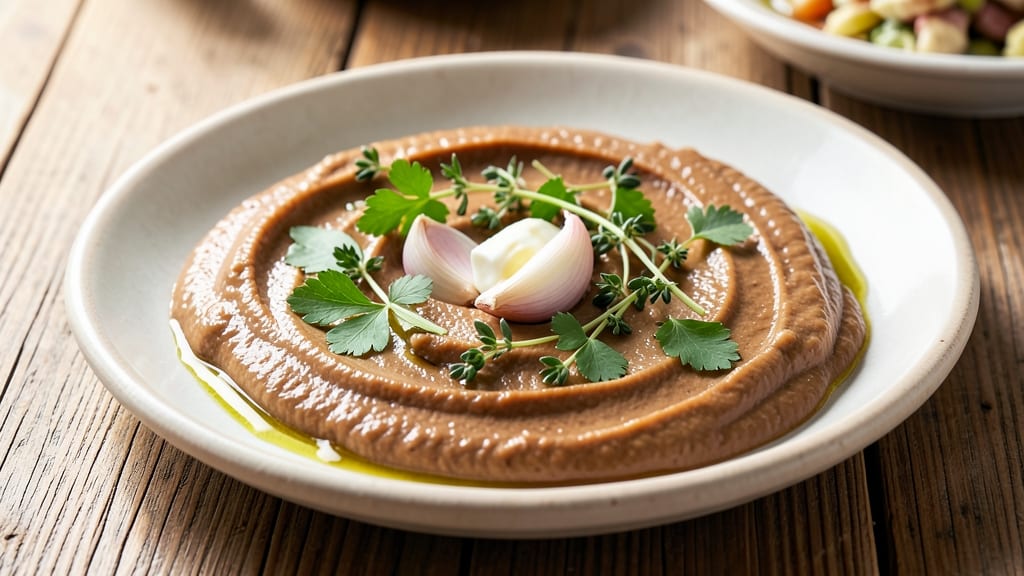
This broad bean pâté recipe transforms humble beans into a luxurious, silky-smooth spread that rivals any meat-based terrine.
The secret lies in soaking the beans overnight to soften them perfectly, then blending them with rich herbs, garlic, and just the right amount of fat—whether butter or olive oil—for a velvety texture. What starts as a simple vegetable becomes a restaurant-worthy appetizer that shines on crusty bread or crackers.
The process is straightforward but requires patience: soaking, cooking, and blending until the mixture reaches that signature silky-smooth consistency. A touch of lemon zest brightens the flavors, while fresh herbs like parsley and thyme add freshness that balances the earthy beans.
The pâté can be served immediately for a rustic finish or chilled for a firmer, more refined texture—your choice.
What makes this recipe stand out is its versatility. It’s naturally vegetarian but easily adapted for vegan diets by swapping butter for olive oil or vegan margarine. The flavor profile—herby, garlicky, and subtly sweet—pairs beautifully with charcuterie boards, cheese platters, or even as a sandwich spread.
Once you try it, you’ll never reach for store-bought again.
Perfect for entertaining or a simple weeknight appetizer, this pâté delivers restaurant-quality results with minimal effort. The key is attention to texture: blend until smooth for an elegant finish or leave it slightly rustic for a homestyle touch. Let’s get started on creating your own velvety masterpiece.
Ingredients for broad bean pate
Transform simple broad beans into a restaurant-worthy pâté with these quality ingredients.
| Ingredient | Amount | Notes |
|---|---|---|
| Dried Broad Beans 🌱 | 1 ½ cups | Soaked overnight, skins removed |
| Unsalted Butter 🧈 | ½ cup | Cold, cubed for blending |
| Extra-Virgin Olive Oil 🫒 | ¼ cup | For richness and texture |
| Fresh Parsley 🌿 | ½ cup | Stems removed, finely chopped |
| Fresh Thyme Leaves 🌿 | ¼ cup | Or 1 tbsp dried thyme |
| Garlic Cloves 🧄 | 6 cloves | Roasted for sweetness |
| Lemon Zest 🍋 | 1 tbsp | From 1 organic lemon |
| Lemon Juice 🍋 | 1 tbsp | Freshly squeezed |
| Diamond Crystal Kosher Salt 🧂 | 1 tsp | Fine grain preferred |
| Freshly Ground Black Pepper 🌶️ | ½ tsp | Freshly cracked |
| Crusty Baguette 🥖 | 1 whole | For serving, sliced |
The broad beans are the star—soaking overnight is non-negotiable for that velvety texture. Whole dried beans from Penzeys Spices or bulk bins at Whole Foods work best; avoid canned (they're mushy). Fresh broad beans, if available, cut prep time but require shelling. For the herbs, fresh parsley and thyme make all the difference—dried works in a pinch, but fresh gives that restaurant-quality brightness. The roasted garlic adds sweetness without overpowering; roast whole cloves at 400°F for 15 minutes before peeling. Lemon zest and juice brighten the earthy flavors—organic lemons have more intense zest.
No fresh herbs? Dried thyme at one-third the amount works, but your pâté will taste more rustic. Short on butter? Olive oil or vegan margarine keeps it vegetarian (or vegan). The pâté can be made ahead—chill for 2 hours before serving for a firmer texture. For extra richness, add 1 tbsp tahini when blending. If the mixture seems too thick after blending, add 1 tsp extra olive oil. The crusty baguette? Bread from a French bakery or the bakery section at Trader Joe's—skip the pre-sliced stuff; it gets soggy.
Store the pâté in an airtight container with a layer of plastic wrap pressed directly on the surface to prevent a skin from forming. Keeps 5-6 days in the fridge or 3 months frozen. For serving, let it sit at room temperature for 30 minutes before scooping—it's smoother and more spreadable. I always make extra; it disappears fast at parties. The baguette stays fresh 2-3 days if wrapped in a clean kitchen towel and stored in a paper bag.
Why You'll Love This Recipe
- I’ll be real: dried broad beans are my lazy pantry hero. Just a quick soak (or even overnight if you forget), then simmer—no peeling, no fuss. That rich, earthy texture? Worth the five minutes.
- No-Soaking Hassle: I’ll be real: dried broad beans are my lazy pantry hero. Just a quick soak (or even overnight if you forget), then simmer—no peeling, no fuss. That rich, earthy texture? Worth the five minutes.
- Herb-Butter Magic: The thyme and parsley aren’t just garnish—they’re the stars. A swipe of butter and olive oil turns those humble beans into something silky, bright, and ridiculously moreish. Honestly, I’ve had it straight with crusty bread, and it’s already a win.
- Party in a Jar: This pate’s your crowd-pleaser for any spread—holiday charcuterie, game-day snacks, or just because. Slather it on toast, dollop it on crackers, or even mix it into pasta. (Yes, I’ve done all three.)
Step-by-step instructions for silky-smooth broad bean pâté
This pâté transforms humble broad beans into a luxurious, velvety spread with vibrant herb notes.
Prepare the Broad Beans
Begin by soaking the 1½ cups dried broad beans overnight in plenty of cold water. The next morning, drain and rinse them thoroughly. Using your fingers or a small knife, carefully slip off the skins—this step ensures a silky texture. Transfer the peeled beans to a pot and cover with fresh water by 1 inch. Bring to a boil, then reduce heat to maintain a gentle simmer for 45-60 minutes until the beans are fork-tender but not mushy.
Drain the beans completely and let them cool slightly. The beans should be soft enough to mash easily but still hold their shape when pressed. I like to work with them at room temperature for better blending results. If they're still warm, spread them on a plate and refrigerate for 10 minutes to cool before proceeding.
Roast the Garlic and Aromatics
Preheat your oven to 400°F. Wrap the 6 cloves garlic tightly in aluminum foil and roast for 15 minutes until soft and fragrant. This gentle roasting sweetens the garlic without burning it. While the garlic roasts, heat a small skillet over medium heat and add the 0.25 cup extra-virgin olive oil. Add the 0.25 cup fresh thyme leaves and sauté for 30 seconds until fragrant—just enough to release their aroma without browning.
Remove the garlic from the foil and let it cool slightly. The cloves should be pliable enough to squeeze between your fingers. Once cool enough to handle, squeeze each clove through a garlic press or finely mince them. This roasted garlic will add depth to your pâté that raw garlic can't match. Set aside until ready to use.
Blend the Pâté Base
In a food processor fitted with the metal blade, combine the cooled broad beans, roasted garlic, 0.5 cup fresh parsley, 1 tbsp lemon zest, 1 tbsp lemon juice, 1 tsp Diamond Crystal kosher salt, and 0.5 tsp freshly ground black pepper. Pulse the mixture until it forms a coarse paste with no large chunks remaining. This ensures an even texture in the final pâté.
With the processor running, gradually add the 0.5 cup unsalted butter, one cube at a time. The butter should incorporate smoothly, creating a thick, creamy mixture. Scrape down the sides of the bowl as needed to ensure everything blends evenly. The pâté should be thick but still spreadable—if it's too stiff, add 1-2 teaspoons of water to loosen it slightly.
Finish and Chill
Transfer the pâté to a serving bowl and gently fold in the sautéed thyme and olive oil mixture using a wooden spoon. Taste and adjust seasoning if needed—you may want to add a pinch more salt or lemon juice to balance the flavors. The pâté should be vibrant green with flecks of thyme and roasted garlic throughout.
Cover the bowl with plastic wrap pressed directly onto the surface to prevent a skin from forming. Refrigerate for at least 2 hours to allow the flavors to meld and the texture to set. This chilling time is crucial for developing the pâté's rich, velvety consistency. Serve with slices of the crusty baguette for dipping or as a spread on toasted bread.
Pro Tips For Making Broad Bean Pate
- SOAK THE BEANS TWICE: Dried broad beans need patience—soak them overnight, then drain, rinse, and soak again for 4-6 hours. I learned this the hard way: skipping the second soak leaves them tough even after simmering, and no one wants mushy pate with a bite.
- CRUSH THEM COLD: After cooking, spread the broad beans on a plate and chill completely before blending. Cold beans mash smoother and release less starch, giving you that velvety texture instead of a gluey mess. Yes, it’s an extra 10 minutes, but your pate will thank you.
- SALT THE BUTTER: Use unsalted butter and add a pinch of salt directly to it before mixing—about ¼ teaspoon per 50g. I used to rely on the beans for flavor, but the butter carries the richness, and salt here makes a real difference in every bite.
- PULSE DON’T BLEND: Pulse the beans in short bursts while blending, adding olive oil gradually to loosen the mixture. Over-blending turns it into a paste; you want texture and pockets of creaminess. Stop when it’s just smooth enough to hold its shape.
Creative variations of this dish
Herb-Infused Variations
Swap the parsley and thyme for fresh rosemary and sage for an earthy twist—simmer the herbs in the olive oil for 1 minute to deepen their flavors. Or try tarragon and chives for a lighter, almost anise-like profile that pairs beautifully with goat cheese.
I’ve also made a basil-pesto version by blending in 1 cup fresh basil with the olive oil before adding to the beans. 🌿
Spicy Kick Options
For heat lovers, add ½ tsp red pepper flakes or 1 tbsp chopped fresh chili (like jalapeño or serrano) to the food processor. For smoky depth, stir in ½ tsp smoked paprika or a dash of chipotle powder after blending.
A drizzle of hot honey before serving adds sweetness that balances the spice beautifully. 🌶️
Vegan Adaptations
Replace the butter with ½ cup extra-virgin olive oil or vegan margarine (like Miyoko’s) for a rich, plant-based version. For extra creaminess, blend in 2 tbsp tahini or 1 ripe avocado—both add a luxurious texture without dairy.
I’ve also used cashew cream (soaked ¼ cup cashews blended with 2 tbsp water) for a neutral, velvety base. 🥜
Global Twists
Transform this into a Mediterranean mezze by adding 1 tbsp harissa paste and garnishing with toasted pine nuts. For an Indian-inspired version, blend in ½ tsp ground cumin and ¼ tsp turmeric, then serve with naan.
A French bistro adaptation calls for 1 tbsp Dijon mustard and a sprinkle of fresh tarragon—perfect with a glass of Sauvignon Blanc. 🗺️
Texture Play
For a rustic finish, leave the pâté slightly chunky by under-blending the beans. For extra smoothness, strain the mixture through a fine-mesh sieve after blending. I’ve also experimented with crumbled feta or shaved Parmesan folded in at the end for a savory contrast.
For crunch, top with toasted breadcrumbs or crushed pistachios before serving. ✨
Sweet-Savory Fusion
Balance the earthy beans with 1 tsp maple syrup or 1 tbsp honey during blending for a subtle sweetness. A fig jam swirl (add 1 tsp during the final fold) elevates it to dessert-level sophistication.
For a Middle Eastern touch, blend in 1 tbsp tahini and top with pomegranate seeds**—the tartness cuts through the richness perfectly. 🍯
Nutrition facts
Frequently asked questions
Can I use fresh broad beans instead of dried?
Yes! Fresh broad beans work beautifully—just shell them first, then simmer in salted water for 5-7 minutes until tender. They don’t require overnight soaking, but you’ll need about 2 cups shelled fresh beans to replace 1½ cups dried. The texture will be slightly more delicate, so handle them gently during blending.
Why does my pâté taste bitter?
Bitterness usually comes from overcooked beans or old garlic. Ensure beans simmer gently (not boiling) for 45-60 minutes max. For garlic, roast fresh cloves at 400°F for 15 minutes—never use raw or burnt garlic. A splash of lemon juice or 1 tsp honey can also balance harsh flavors.
How can I make this vegan?
Swap butter for ½ cup olive oil or vegan margarine, and add 2 tbsp tahini for creaminess. For extra richness, blend in 1 ripe avocado or ¼ cup soaked cashews. The texture stays luscious, and flavors remain vibrant—just omit dairy entirely.
Can I make this ahead of time?
This pâté tastes even better after 24 hours in the fridge, as flavors meld. Store in an airtight container with plastic wrap pressed directly on the surface. For serving, let it sit at room temperature for 30 minutes—it’ll be smoother and more spreadable. Freezes well for 3 months too.
What’s the best way to serve it?
Pair with crusty bread, crackers, or toasted baguette slices for dipping. It’s also perfect on bruschetta, as a sandwich spread, or alongside charcuterie boards. For extra flair, drizzle with olive oil and sprinkle with fresh herbs before serving.