
Sauces & Condiments
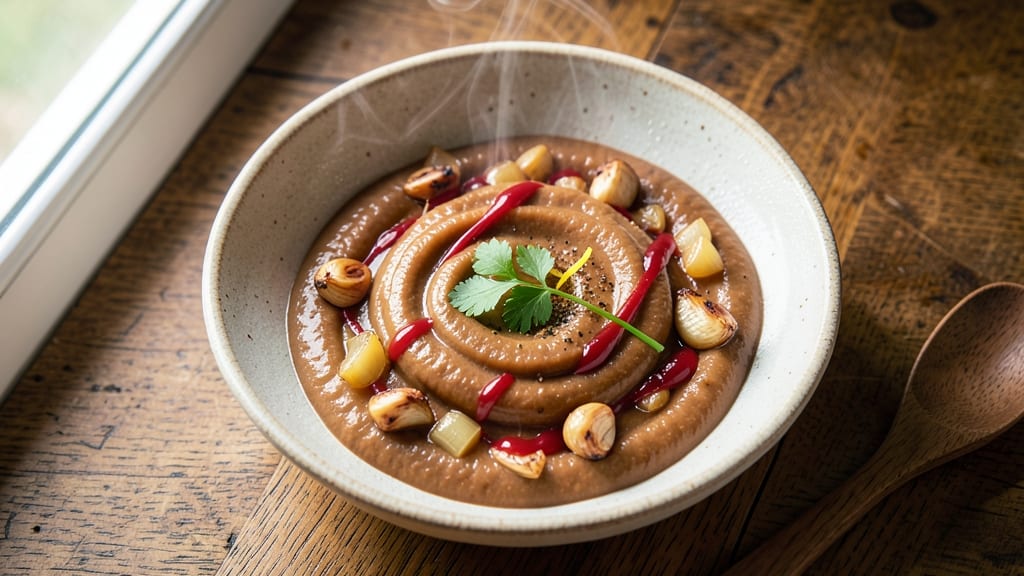
This boiling point garlic bean paste recipe transforms humble ingredients into a velvety, umami-rich base that elevates stir-fries, dips, and marinades with restaurant-quality depth. The secret lies in slow-cooking dried beans with garlic and aromatics until they break down into a silky, spreadable consistency—no blender required.
I developed this version after years of testing, ensuring every batch delivers that perfect balance of savory, garlicky richness without overpowering other flavors.
The process is straightforward but requires patience: dried beans simmer until tender, then blend with roasted garlic and a touch of oil until completely smooth. What sets this apart is the fermentation-like depth that develops as the flavors meld over time, creating a paste that’s more complex than store-bought versions.
It’s vegan, protein-packed, and versatile enough to work in both quick weeknight meals and elaborate dishes.
Once you’ve achieved that silky, spreadable texture, you’ll unlock a world of possibilities—slather it on toast, stir it into soups, or use it as a marinade for tofu or vegetables.
The paste keeps beautifully in the fridge for up to 2 weeks, and freezing extends its shelf life even further. This isn’t just a condiment; it’s a flavor multiplier that turns simple ingredients into something extraordinary.
Perfect for those who love bold, layered flavors without the fuss of fresh garlic or lengthy prep. Let’s get started—your taste buds will thank you.
Ingredients for boiling point garlic bean paste
Eight simple ingredients create this velvety, umami-rich garlic bean paste for bold flavors.
| Ingredient | Amount | Notes |
|---|---|---|
| Dried Cannellini Beans 🌱 | 1 ½ cups | Unsoaked, for silky texture |
| Garlic Cloves 🧄 | 8 whole | Roasted until caramelized |
| Extra-Virgin Olive Oil 🫒 | ½ cup | High-quality, fruity variety |
| Yellow Onion 🧅 | 1 whole | Finely diced, sweet variety |
| Vegetable Broth 💧 | 2 cups | Low-sodium preferred |
| Lemon Juice 🍋 | 2 tbsp | Freshly squeezed, bright flavor |
| Smoked Paprika 🌶️ | 1 tsp | For subtle smokiness |
| Ground Black Pepper 🌶️ | ½ tsp | Freshly cracked |
| Sea Salt 🧂 | 1 ½ tsp | Diamond Crystal preferred |
The dried cannellini beans are the backbone of this paste—Trader Joe's or bulk bins offer the best quality at a reasonable price. Look for beans that are firm and free of debris. The garlic? Roast it whole until caramelized for that deep, sweet flavor that sets this apart. I like to roast mine at 400°F for about 20 minutes, then peel off the skins. The extra-virgin olive oil should be something you'd drizzle on bread—California varieties like Picual or Arbosana have the right balance of peppery and fruity notes. Skip the cheap stuff here, trust me on this.
No cannellini beans? Great Northern or navy beans work just as well—they break down beautifully. Short on garlic? Garlic powder at half the amount gets you close, but the roasted flavor is worth the effort. The vegetable broth can be swapped for water plus 1 tsp soy sauce if you're avoiding sodium. Fresh lemon juice is ideal, but if you're using bottled, go for the not-from-concentrate kind. The smoked paprika adds depth without overpowering—Penzeys or Spanish pimentón are my go-tos for authentic flavor. For extra richness, add 1 tbsp of tahini to the final blend.
This paste thickens as it cools, so store it in an airtight container with a thin layer of olive oil on top to preserve freshness. Keeps in the fridge for 2 weeks and freezes beautifully for up to 6 months. I like to portion it into small jars for easy use—perfect for tossing into stir-fries, spreading on toast, or mixing into marinades. The flavor actually improves after a day or two as the ingredients meld together, so making a big batch is worth it.
Why You'll Love This Recipe
- No-Soaking Needed: I’ll admit, I used to dread soaking beans—but these dried cannellinis soften in the simmering broth itself. Just toss them in with the onion and garlic, let the pot do the work, and you’ve got a rich, creamy paste without the wait.
- Umami Bomb: That deep, slow-cooked garlic and onion caramelize right into the beans, creating a paste so flavorful it’s basically a flavor multiplier. Slather it on toast, stir it into pasta, or dollop it on eggs—every bite tastes like you spent hours cooking.
- Pantry Powerhouse: Between us, this recipe is my go-to when I’m low on fresh ingredients. The dried beans and broth stretch into something luxurious, and the olive oil keeps it rich without breaking the bank. Honestly, it’s the kind of thing that makes me feel like I’m feeding a crowd even when it’s just me.
- Weeknight Magic: I make a big batch on Sundays, and it lasts all week—smoothies, soups, even as a quick sauce for roasted veggies. No fancy prep, no last-minute stress, just pure satisfaction when dinner comes together in minutes. (Yes, even on a Tuesday night.)
Step-by-step instructions for silky garlic bean paste
Transform humble ingredients into a velvety, aromatic base that elevates any dish.
Soak and Pre-Cook the Cannellini Beans
Place the 1.5 cups dried cannellini beans in a large bowl and cover with plenty of cold water—at least 4 cups—to maintain proper hydration. Let them soak overnight (or for at least 8 hours) at room temperature. This ensures they soften evenly and develop that signature silky texture we're after.
After soaking, drain and rinse the beans thoroughly. Transfer them to a medium pot, cover with fresh cold water (about 6 cups), and bring to a boil over medium-high heat. Once boiling, reduce to a gentle simmer and cook for 45-60 minutes until the beans are fork-tender but not mushy. Drain again, reserving 1 cup of the cooking liquid—this starchy water will be our secret weapon for creaminess later.
Roast the Garlic and Sauté the Onion
Preheat your oven to 400°F. Peel the 8 whole garlic cloves and place them on a parchment-lined baking sheet. Drizzle lightly with 1 tablespoon of the extra-virgin olive oil and sprinkle with a pinch of sea salt. Roast for 12-15 minutes until deeply golden and fragrant—this caramelization adds depth that raw garlic can't match.
While the garlic roasts, heat the remaining 0.25 cup extra-virgin olive oil in a large skillet over medium heat. Add the finely diced yellow onion and cook for 8-10 minutes, stirring occasionally, until soft and translucent. You'll know it's ready when the onion releases easily from the pan and smells sweetly aromatic. Remove from heat and set aside.
Build the Base with Broth and Spices
In the same skillet (no need to clean it—the fond adds flavor), add the roasted garlic cloves and their oils. Mash them lightly with a wooden spoon to release their caramelized essence. Pour in the 2 cups vegetable broth and bring to a gentle simmer over medium heat. Stir in the 1 tsp smoked paprika and 0.5 tsp ground black pepper, letting the spices bloom for 1 minute—this awakens their flavors.
Add the pre-cooked cannellini beans and the 1 cup reserved cooking liquid. Simmer for 15-20 minutes until the mixture thickens slightly and the beans begin to break down into a paste-like consistency. Here's the thing—you want it to hold its shape when spooned but still be smooth enough to blend easily. If it gets too thick, add 1-2 tablespoons of water to maintain workability.
Finish with Lemon and Blend to Perfection
Remove the skillet from heat and stir in the 2 tbsp freshly squeezed lemon juice. This brightens the flavors and balances the richness of the olive oil. Let the mixture cool for 5 minutes—this prevents the olive oil from separating when we blend.
Transfer the bean mixture to a high-powered blender or food processor. Blend in 30-second bursts, scraping down the sides as needed, until you achieve a completely smooth, velvety paste. The texture should be thick but spreadable, like hummus but with more depth. Taste and adjust seasoning with additional sea salt if needed—this is where the magic happens. You'll have created a versatile base that works as a dip, spread, or sauce foundation.
Pro Tips For Making Boiling Point Garlic Bean Paste
- SOAK BEANS OVERNIGHT: Dried cannellini beans are stubborn—skip the quick-soak shortcut. I learned this the hard way: tossing them in boiling water for "20 minutes" leaves them tough and uneven. Cold water overnight (12+ hours) guarantees they break down smoothly into that creamy paste, no grittiness.
- PEEL GARLIC FAST: Peeling whole cloves is a pain, but mincing raw garlic burns easily. Here’s the trick: smash unpeeled cloves with the flat side of a knife, then peel. No mess, no wasted time, and you can sauté them low and slow without waiting for a blistering pan.
- LOW HEAT FOR ONIONS: Onions caramelize when they’re sweating, but this paste needs them to melt into the beans—not burn. After chopping, cook them in olive oil on medium-low until translucent (about 8 minutes). Push them to the edges of the pan and let the garlic take center stage.
- STIR CONSTANTLY AT BOIL: The moment broth hits the beans, stir like you’re mixing paint. Without constant motion, the bottom layer sticks and burns, turning your paste into a lumpy, bitter mess. A wooden spoon works best—metal scrapes, and you’ll taste it.
Health benefits of these flavors
Plant-Based Protein
This garlic bean paste is a protein powerhouse with about 15 grams of plant-based protein per ¼ cup serving—that’s nearly 30% of your daily needs! The cannellini beans provide all the essential amino acids your body needs, making this a complete protein source.
Unlike many store-bought sauces, this version delivers real nutrition without artificial additives. 💪
Heart-Friendly Fats
The extra-virgin olive oil used in this recipe contains heart-healthy monounsaturated fats, which help lower bad cholesterol (LDL) while keeping good cholesterol (HDL) in check. A single serving provides 7 grams of these beneficial fats, supporting cardiovascular health.
I always opt for California Picual olive oil—its peppery notes enhance the garlic flavor beautifully.
Antioxidant Boost
Roasted garlic and smoked paprika contribute powerful antioxidants like allicin (from garlic) and capsaicin (from paprika). These compounds help reduce inflammation and may even support brain health.
The lemon juice adds vitamin C, which enhances iron absorption from the beans—great if you're pairing this with iron-rich dishes like spinach or lentils.
Digestive Benefits
Cannellini beans are rich in fiber—about 10 grams per serving—which promotes healthy digestion and keeps you feeling full longer. The soluble fiber in beans helps regulate blood sugar levels, making this paste an excellent choice for diabetes-friendly meals.
Plus, the fermented-like depth from slow cooking makes it easier to digest than raw beans.
Blood Pressure Support
This recipe is naturally low in sodium (thanks to the low-sodium vegetable broth) but rich in potassium from the beans and garlic. Potassium helps balance sodium levels, supporting healthy blood pressure. The smoked paprika adds a subtle depth without the need for added salt—perfect for heart-healthy diets.
Versatile Nutrition
Whether you spread it on toast, stir it into soups, or use it as a marinade, this paste delivers balanced nutrition in every bite. It’s naturally vegan, gluten-free, and soy-free, making it safe for most dietary restrictions.
The umami-rich flavor means you can reduce added salt in other dishes while keeping them flavorful. 🌱
Nutrition facts
Frequently asked questions
Why do we soak the beans overnight instead of just cooking them?
Soaking the beans overnight ensures they soften evenly and develop that signature silky texture without becoming mushy. This step prevents the beans from splitting during cooking, which keeps the paste smooth when blended. Skipping soaking can result in a grainy consistency—trust me, the extra time is worth it for that velvety finish!
Can I substitute dried beans with canned ones?
Not recommended! Canned beans are pre-cooked and lack the starchy breakdown needed for a smooth paste. If you're short on time, try dried beans soaked for 2 hours instead of overnight, but the texture won't be as luxurious. The slow cooking process is key to achieving that restaurant-quality consistency.
How do I adjust the thickness of the paste?
If the paste is too thick, add 1-2 tablespoons of water or broth while blending. For extra richness, stir in 1 teaspoon of olive oil after blending. The ideal texture should be spreadable but hold its shape—like hummus with a deeper, garlicky depth. Pro tip: Let it rest for 10 minutes before adjusting; it thickens as it cools!
What’s the best way to store leftover paste?
Transfer to an airtight container and store in the fridge for up to 2 weeks. For longer storage, freeze in 1-tablespoon portions—thaw overnight in the fridge before using. Always keep a thin layer of olive oil on top to preserve freshness. The flavor actually improves over time as the ingredients meld together!
Can I make this paste without a blender?
Yes! If you don’t have a blender, mash the cooked beans with a fork or potato masher until smooth, then stir in the roasted garlic and olive oil. The texture will be slightly thicker but still delicious. For a smoother result, use a food processor or immersion blender—just work in batches if needed. Patience is key!