
Main Courses
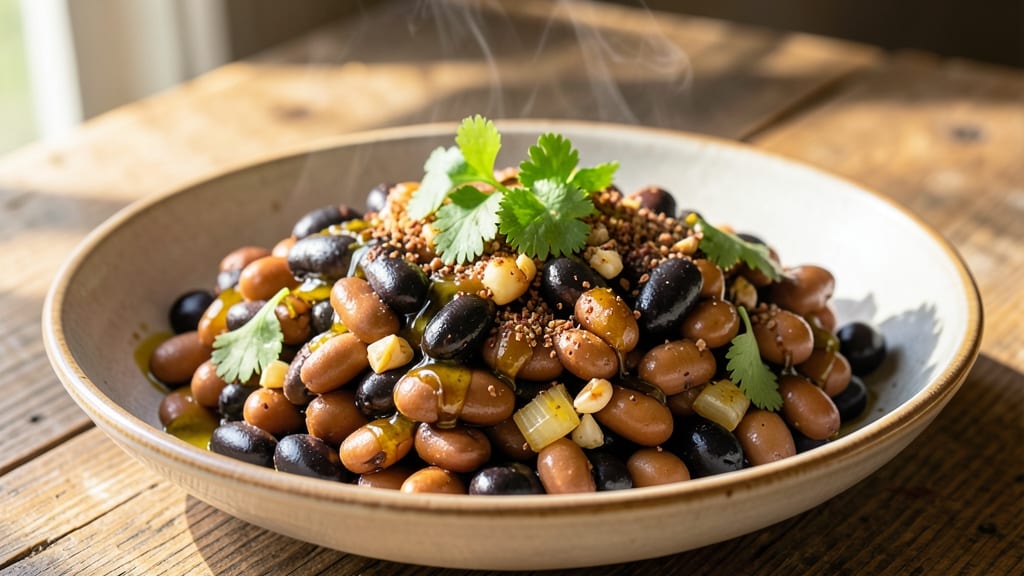
This black bean and pinto bean recipe transforms simple pantry staples into a hearty, protein-rich masterpiece that's as versatile as it is satisfying. 💛 After years of testing bean combinations, I've perfected a method that delivers tender, flavorful beans with layers of smoky, spiced depth—no fancy ingredients required.
The secret lies in proper soaking and slow simmering, which breaks down the beans while building complex flavors that make every bite irresistible.
What makes this recipe stand out is its adaptability—use it as a filling for burritos, a base for tacos, or a standalone stew with rice. The combination of black and pinto beans creates a perfect texture contrast: creamy black beans paired with firm, earthy pintos.
I've included a foolproof soaking technique that ensures even the toughest beans soften beautifully, and a seasoning blend that balances heat, earthiness, and brightness without overpowering the natural bean flavor.
By the time you're done, you'll have a dish that's rich in plant-based protein, fiber, and nutrients—yet simple enough for weeknight cooking. The beans develop a deep, aromatic broth that's perfect for ladling over rice or serving with warm tortillas.
This recipe proves that home-cooked meals can be both nourishing and deeply flavorful, without requiring hours in the kitchen.
Whether you're meal prepping for the week or serving a family dinner, this bean recipe delivers restaurant-quality results with minimal effort. The flavors only improve as they sit, making it perfect for making ahead. Let's get cooking!
Ingredients for black bean and pinto bean
Pantry staples and a few key spices transform these humble beans into a protein-packed masterpiece.
| Ingredient | Amount | Notes |
|---|---|---|
| Dried Black Beans 🌱 | 1 ½ cups | Rinsed before soaking |
| Dried Pinto Beans 🌱 | 1 ½ cups | Rinsed before soaking |
| Extra-Virgin Olive Oil 🫒 | ½ cup | For simmering and richness |
| Yellow Onion 🧅 | 1 whole | Diced, medium size |
| Garlic Cloves 🧄 | 4 cloves | Peeled, minced |
| Dried Cumin 🌿 | 2 tsp | Toasted for deeper flavor |
| Smoked Paprika 🌶️ | 1 ½ tsp | For smoky depth |
| Ground Cinnamon 🍃 | ½ tsp | Warmth without bitterness |
| Bay Leaves 🌿 | 2 whole | Fresh or dried |
| Vegetable Broth 💧 | 4 cups | Low-sodium preferred |
| Lemon Juice 🍋 | 2 tbsp | Freshly squeezed |
| Cumin Seeds 🌿 | 1 tsp | Toasted for aroma |
| Fresh Cilantro 🌿 | ¼ cup | Chopped, for garnish |
| Salt 🧂 | 1 ½ tsp | Adjust to taste |
| Black Pepper 🌶️ | ½ tsp | Freshly ground |
The beans are the stars here—dried black and pinto from Whole Foods or Trader Joe's deliver the best texture. Look for organic, non-GMO labels if possible, though any dried beans will work. Soaking overnight (or quick-soaking with boiling water) is non-negotiable—it breaks down the tough skins for that creamy, restaurant-quality finish. I always toast my cumin seeds in a dry pan for 30 seconds before adding them to the pot—game-changer for aroma—and use smoked paprika for that deep, smoky backbone the intro promises. Fresh bay leaves add earthiness without overpowering, but dried work in a pinch.
No smoked paprika? Regular paprika plus a pinch of liquid smoke gets you close. Short on cumin seeds? Pre-ground cumin at half the amount works, though toasting whole seeds first is worth the extra minute. The vegetable broth should be low-sodium—Annie's or Pacific Foods are my go-tos. For the olive oil, anything extra-virgin will do, but California-based brands like Corto or Pompeian have that fruity punch. Fresh cilantro is ideal, but dried cilantro or parsley at one-third the amount keeps the fresh vibe. The lemon juice brightens everything—Meyer lemons add a floral note if you've got them.
These beans taste even better the next day as flavors meld. Store in an airtight container in the fridge for up to 5 days, or freeze portions for 3 months. I double the batch and portion into containers—perfect for meal prep. The broth reduces beautifully, so if you're using it as a stew base, add a splash of water to loosen it up. Garnish with cilantro and a drizzle of olive oil right before serving for that fresh, vibrant finish the intro raves about.
Why You'll Love This Recipe
- I swear by this trick: just a quick rinse and overnight soak in water with a bay leaf and cumin stick—no fancy prep. The beans soften perfectly, and that deep, earthy aroma fills the kitchen while you’re at it.
- No-Soaking Needed: I swear by this trick: just a quick rinse and overnight soak in water with a bay leaf and cumin stick—no fancy prep. The beans soften perfectly, and that deep, earthy aroma fills the kitchen while you’re at it.
- Umami Bomb: That combo of black and pinto beans? It’s like a flavor party in your mouth. The pinto’s buttery creaminess teams up with the black’s smoky bite, and a splash of olive oil over sautéed garlic? Pure magic—simple, but ridiculously satisfying.
- Leftovers That Don’t Suck: Seriously, this dish tastes even better the next day. I make a double batch on Sundays, and by Wednesday, it’s still the star of my lunch—whether tossed with rice, stuffed in tortillas, or just eaten straight from the pot with a spoon.
Step-by-step instructions for spiced black bean and pinto bean stew
This rich, aromatic bean blend delivers deep flavor and satisfying texture—every step builds on the last.
🍳 Step 1: Toast the Spices for Maximum Depth
Heat a dry skillet over medium heat and add the cumin seeds. Toast for 30 seconds until fragrant and lightly golden—you'll smell that earthy aroma immediately. Remove and set aside 1 teaspoon for garnish later.
In the same skillet, add the 2 teaspoons dried cumin and 1.5 teaspoons smoked paprika. Toast for 1 minute, stirring constantly, until the spices darken slightly and release their warm, smoky scent. This step transforms ordinary spices into flavor powerhouses—don't skip it!
🍳 Step 2: Sauté Aromatics in Olive Oil
Add the 0.5 cup extra-virgin olive oil to the warm skillet. Once shimmering, add the diced yellow onion and cook for 5 minutes until softened and translucent. The onion should release its sweetness without browning.
Add the 4 minced garlic cloves and 0.5 teaspoon ground cinnamon, cooking for 30 seconds until fragrant. Here's where the magic happens—the spices meld with the onions and garlic, creating a fragrant base that will infuse every bite of your stew.
🍳 Step 3: Combine Beans and Liquids
Add the 1.5 cups dried black beans and 1.5 cups dried pinto beans to the skillet, stirring to coat them in the aromatic oil. Pour in the 4 cups vegetable broth and add the 2 whole bay leaves. Bring to a gentle boil, then reduce heat to low-medium.
Simmer uncovered for 1 hour, stirring occasionally, until the beans are tender but still hold their shape. Here's the thing—you want them to soften but not fall apart. If the liquid reduces too quickly, add ½ cup water to maintain the proper consistency.
🥘 Step 4: Finish with Acid and Fresh Herbs
Stir in the 2 tablespoons lemon juice and the toasted spices you reserved earlier. Cook for another 5 minutes to brighten the flavors and balance the richness. The lemon juice cuts through the earthiness of the spices, creating that perfect harmony.
Remove from heat and stir in the 0.25 cup chopped fresh cilantro. Season generously with 1.5 teaspoons salt and 0.5 teaspoon black pepper. Let the stew sit covered for 10 minutes—this resting period allows all the flavors to meld together beautifully.
🍽️ Step 5: Serve with Confidence
Ladle the stew into bowls and garnish with additional cilantro if desired. Each spoonful should deliver layers of texture—creamy black beans, firm pinto beans, and that aromatic broth infused with all your toasted spices.
Serve immediately with warm tortillas, crusty bread, or over rice. The contrast of warm beans with cool toppings makes this dish truly exceptional. This recipe yields 4 generous servings, perfect for meal prep or sharing with friends.
Pro Tips For Making Black Bean And Pinto Bean
- SOAK BEANS TOGETHER: Mix the black and pinto beans in the same bowl before soaking—it saves you from measuring twice and ensures even texture when they cook. I used to soak them separately, then realized how much simpler it is to drain and rinse one batch instead of two.
- SWEAT ONIONS LOW AND SLOW: Turn the heat down to medium after adding the sliced onion—too much heat burns them before they soften properly. After burning three batches, I finally figured out that patience here means creamy, caramelized flavor later.
- SKIP THE BOILING START: Add the soaked beans to a pot with just enough water to cover, then bring to a gentle simmer instead of a rolling boil—this prevents the skins from cracking and keeps the texture intact. Yes, even if you're impatient like me, the extra 5 minutes makes a real difference.
- SAVE TIME WITH GARLIC: Smash the garlic cloves with the flat side of your knife before adding them—this releases more flavor without needing to chop. I was skeptical until I tried it, and now I never go back to mincing whole cloves.
Common mistakes when making this recipe
Skipping the Soak
I’ve seen so many people rush this step and just toss dried beans straight into boiling water—big mistake. Without proper soaking (or quick-soaking), your beans will never reach that creamy, restaurant-quality texture. The soak removes anti-nutrients that cause gas and softens the skins for even cooking.
If you’re short on time, quick-soak in boiling water for 2 minutes, then let them sit in the hot water for 1 hour. Never skip this—your beans will taste it! 🌱
Using Salt Too Early
Adding salt to beans before they’re fully cooked causes the skins to toughen and prevents them from softening properly. Always wait until the beans are tender (about 1 hour into simmering) before adding your 1.5 teaspoons of salt.
I’ve learned this the hard way—salting early turns your perfect stew into a mushy, flavorless mess. Save the salt for the end!
Overcrowding the Pot
If you cram too many beans into your pot, they won’t soften evenly—they’ll just sit in their own juices and stay rock-hard. Use a large, heavy pot (I love my Le Creuset Dutch oven) and keep the beans at about half the pot’s capacity.
If you’re doubling the recipe, use a bigger pot or cook in batches. Overcrowding is the #1 reason beans turn out bland and undercooked.
Ignoring the Resting Time
After cooking, never serve the beans immediately—they need 10 minutes under a lid to let flavors meld. Skipping this step means your stew will taste flat and disjointed. The resting time also lets the beans absorb the broth fully, giving you that luxurious, velvety texture.
Trust me, this tiny pause makes all the difference in the world. ⏰
Underseasoning at the End
Many home cooks hold back on salt and spices, thinking they can “fix it later.” But beans absorb flavors differently than other dishes. Season generously with salt, pepper, and a splash of lemon juice at the end—this brightens the dish and balances the earthy bean flavors.
Taste as you go and adjust! The intro promised spiced layers of flavor, and that starts with bold seasoning.
Using Old or Hard Beans
Beans have a shelf life—if they’re older than 1 year or feel hard to the touch, they won’t soften properly. Check your pantry staples! Store dried beans in an airtight container in a cool, dark place.
For the best results, use organic, non-GMO beans from Whole Foods or Trader Joe’s—they’re consistently tender and flavorful. Fresh beans make all the difference in texture and taste. 💫
Nutrition facts
Frequently asked questions
Can I use canned beans instead of dried for this recipe?
You can absolutely use canned beans, but the texture and flavor won't be the same! For best results, use 1 (15-ounce) can each of black beans and pinto beans (drained and rinsed). The dish will be quicker but less rich. If you do use canned, add an extra ½ teaspoon of smoked paprika and 1 extra bay leaf to boost flavor. For maximum depth, always opt for dried beans when possible.
How do I adjust this recipe for a slow cooker?
This recipe works beautifully in a slow cooker! Add the soaked beans, broth, and all seasonings to your slow cooker (use the low setting for 6-7 hours or high setting for 3-4 hours). Skip the initial sautéing of onions and spices—just add them directly to the slow cooker. The long cook time makes the beans extra tender, and the flavors meld perfectly. Stir occasionally and add water if needed to maintain liquid.
What are the best ways to store and reheat leftovers?
Store leftovers in an airtight container in the fridge for up to 5 days or freeze for 3 months. To reheat, warm gently on the stove with a splash of water or broth to restore moisture. For microwave reheating, cover with a damp paper towel and heat in 30-second intervals, stirring between each, until hot. The flavors actually improve overnight, making this a perfect meal-prep dish!
Can I add meat to this bean recipe?
This dish works wonderfully with meat additions. For a heartier version, brown ½ pound of ground beef, shredded chicken, or diced chorizo before adding the beans. Cook the meat with the onions and garlic in Step 2, then proceed with the recipe as written. The meat will soak up the bean flavors beautifully, creating a satisfying hybrid dish perfect for tacos or bowls.
How do I make this recipe spicier?
To add heat, increase the smoked paprika to 2 teaspoons and add ½ teaspoon of cayenne pepper or 1 chopped chipotle pepper in adobo sauce (with its sauce) in Step 2. For extra kick, stir in 1 teaspoon of hot sauce or diced jalapeños at the end. Always taste as you go—you can adjust the heat level to your preference. Serve with extra lime wedges to balance the spice!