
Sauces & Condiments
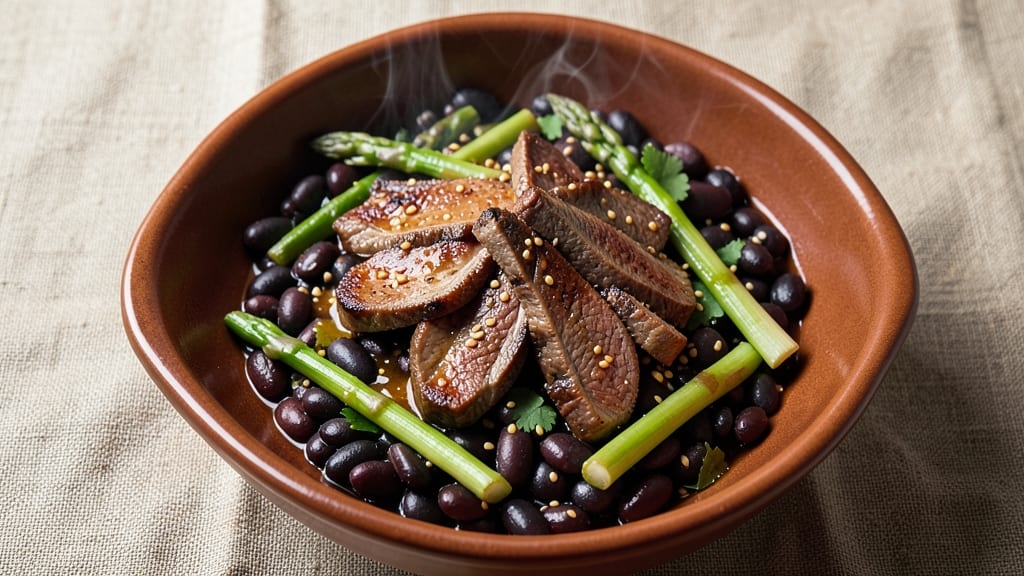
This beef asparagus black bean sauce recipe delivers a restaurant-quality stir-fry with bold umami flavors and perfectly balanced textures in just 25 minutes. The secret lies in a rich black bean sauce that simmers into a velvety consistency while caramelizing slightly, creating a perfect harmony with tender beef strips and crisp-tender asparagus. After years of experimenting with stir-fry techniques, I've perfected this method to ensure every component cooks to perfection without overpowering the delicate asparagus or drying out the beef.
The magic happens in three key steps: searing the beef until just browned, sautéing the asparagus to maintain its natural crunch, and building the sauce from scratch using black beans, soy sauce, and a touch of ginger.
This isn't your typical stir-fry—it's a complete meal where each element plays a crucial role. The sauce isn't just a condiment; it's the foundation that ties everything together with its deep, savory richness and subtle sweetness from the caramelized beans.
By the time you plate this dish, you'll have perfectly seared beef strips with a caramelized crust, bright green asparagus that's crisp-tender, and a glossy black bean sauce that coats every bite. The sauce's natural thickness clings beautifully to the beef and asparagus, creating a cohesive bite with every forkful.
This is the kind of meal that feels special enough for company but simple enough for a weeknight dinner.
What makes this recipe truly foolproof is the balance of preparation and cooking time—minimal chopping, just 25 minutes of active cooking, and a sauce that comes together while you work. The asparagus cooks quickly in the same pan as the beef, and the sauce simmers while everything else comes together.
Serve it over steamed rice or noodles to soak up every last bit of that umami-packed sauce.
Ingredients for beef asparagus black bean sauce
Restaurant-quality stir-fry ingredients that balance umami depth with fresh, vibrant textures in one pan.
| Ingredient | Amount | Notes |
|---|---|---|
| Flank Steak 🥩 | 1 lb | Thinly sliced against grain |
| Asparagus 🌱 | 1 lb | Trimmed, tough ends removed |
| Black Beans 🫘 | 1 can | Drained and rinsed (15 oz) |
| Soy Sauce 🥄 | ½ cup | Low-sodium preferred |
| Sesame Oil 🫒 | 1 tbsp | Toasted for aroma |
| Ginger 🌿 | 1 tbsp | Freshly grated |
| Garlic Cloves 🧄 | 4 cloves | Minced for sauce |
| Brown Sugar 🍯 | 1 tbsp | Lightly packed |
| Olive Oil 🫒 | 2 tbsp | For searing |
| Green Onion 🧅 | ¼ cup | Sliced for garnish |
| Sesame Seeds 🌾 | 1 tsp | Toasted for crunch |
| Salt 🧂 | 1 tsp | Kosher or sea salt |
| Black Pepper 🌶️ | ½ tsp | Freshly ground |
| Red Pepper Flakes 🌶️ | ¼ tsp | Optional for heat |
The flank steak is non-negotiable for this dish—its lean yet tender texture holds up perfectly to stir-frying. Look for USDA Choice grade or better, and ask your butcher to slice it thinly against the grain for maximum tenderness. If you can't find pre-sliced, freeze it for 30 minutes first to make slicing easier. Asparagus should be bright green and firm, with no woody ends—trim them yourself for the freshest results. Trader Joe's and Whole Foods carry excellent quality, or check the produce section for spears with tight tips. The black beans should be low-sodium if possible, and drained and rinsed thoroughly to prevent a watery sauce.
No fresh ginger? Powdered ginger at half the amount works in a pinch, though fresh has superior depth. Substituting soy sauce? Coconut aminos provide a cleaner flavor, but reduce by 10% due to lower sodium. For extra umami, add a splash of fish sauce (if not vegetarian) or mushroom sauce. The sesame oil is purely for aroma—use the toasted variety** from Penzeys or your local Asian market for that nutty punch. If you're sensitive to heat, skip the red pepper flakes entirely; the dish still delivers bold flavor without them. For the brown sugar, lightly packed means no compacting—just a smooth tablespoon measure.
Store prepped ingredients separately: beef and asparagus in airtight containers for up to 2 days, sauce components for 5 days. The sauce thickens as it cools, so reheat with a splash of water if needed. For maximum freshness, toast sesame seeds in a dry pan for 30 seconds before using—they lose flavor quickly once opened. This dish reheats beautifully, making it perfect for meal prep. Portion sauce separately if storing to maintain texture, and add fresh green onions and sesame seeds when serving for that restaurant-quality finish.
Why You'll Love This Recipe
- One-Pan Magic: I swear by this recipe when I’m too tired to scrub a million dishes—just sear the flank steak, toss in the asparagus and black beans, and let that soy-sesame sauce do the work. The pan’s already half-cleaned by the time you’re done.
- Umami Bomb: That combo of black beans, soy sauce, and sesame oil? It’s like a flavor explosion in your mouth. The beef stays juicy, the asparagus gets that perfect char, and the sauce clings to everything—no dry bites here.
- Office Lunch Hero: Between us, this is my go-to for meal prep. Slice the steak thin, pack it with the beans and asparagus, and it holds up for days. Toss it cold in a salad or reheat it for a quick dinner—no one will guess it’s leftovers.
- Budget Power Move: Flank steak stretches far, black beans add bulk, and you’re using seasonal asparagus. Honestly, I make this at least twice a month, and it’s always a win—especially when I’m pinching pennies but still want something restaurant-worthy.
Step-by-step instructions for beef asparagus black bean sauce
This method delivers perfectly seared beef with tender asparagus and a rich, balanced sauce in under 30 minutes.
Prepare the Flank Steak and Aromatics
Slice the 1 lb flank steak thinly against the grain into ¼-inch thick strips—this ensures maximum tenderness. Place the sliced steak in a bowl and season generously with 1 tsp salt, 0.5 tsp black pepper, and 0.25 tsp red pepper flakes. Let it marinate while you prep the rest.
In a small bowl, combine the 1 tbsp freshly grated ginger, 4 minced garlic cloves, 1 tbsp brown sugar, and 0.5 cup soy sauce. Mix well to create the sauce base. This aromatic blend will infuse the beef and vegetables with deep umami and sweetness.
Sear the Beef and Set Aside
Heat 2 tbsp olive oil in a large skillet over high heat until shimmering. Add the seasoned steak in a single layer, being careful not to overcrowd. Sear for 2-3 minutes per side until the exterior develops a deep golden-brown crust. The steak should release easily from the pan—this indicates proper doneness.
Transfer the seared beef to a plate and set aside. Resist the urge to overcook—flank steak is best served medium-rare to medium for optimal tenderness. Keep the skillet on the heat for the next step.
Stir-Fry Asparagus and Black Beans
In the same skillet, add the 1 lb trimmed asparagus and 1 can drained black beans. Stir-fry over medium-high heat for 4-5 minutes until the asparagus turns bright green and begins to soften slightly. The beans will warm through while maintaining their texture.
Pour the prepared sauce mixture over the asparagus and beans, then add 1 tbsp sesame oil. Stir well to coat everything evenly. The sauce should begin to simmer and thicken slightly from the residual heat. If the mixture appears too dry, add 1-2 tablespoons of water to help it cling to the vegetables.
Combine and Finish the Sauce
Return the seared beef to the skillet and toss everything together gently. Cook for an additional 2-3 minutes until the beef is heated through and the sauce has thickened to a glossy consistency. The aroma should be rich and inviting, with layers of soy, ginger, and sesame.
Taste and adjust seasoning if needed—add a splash more soy sauce for saltiness or a pinch of sugar to balance acidity. The sauce should coat the back of a spoon with a velvety texture, not be watery.
Garnish and Serve Immediately
Remove the skillet from heat and stir in 0.25 cup sliced green onion and 1 tsp toasted sesame seeds. These final garnishes add freshness and crunch, cutting through the richness of the sauce. Serve the beef asparagus black bean sauce immediately over steamed rice or noodles.
Each bite should deliver perfectly tender beef, crisp-tender asparagus, and a sauce that balances sweet, salty, and umami flavors. The dish holds well for 15-20 minutes if needed, but serving it fresh ensures the best texture contrast.
Pro Tips For Making Beef Asparagus Black Bean Sauce
- SEAR STEAK IN BATCHES: Flank steak releases a ton of liquid when you cook it all at once—don’t crowd the pan. Slice the meat into strips first, then work in 2-3 batches over medium-high heat. This guarantees a proper crust instead of steaming, which is the thing that matters most for flavor.
- BLANCH ASPARAGUS FIRST: Skip the raw, tough asparagus spear problem by blanching spears for 90 seconds in boiling salted water before adding them to the sauce. It softens just enough to absorb the soy-sesame sauce without turning to mush later.
- DRAIN BEANS WELL: Rinsed black beans lose their starch, which thickens the sauce. After draining, give them a quick spin in a clean towel to remove excess moisture—this keeps the sauce from turning gloppy when you toss everything together.
- DEGLAZE WITH SESAME OIL LAST: Add sesame oil at the very end, right after the sauce has thickened. Drizzle it in while stirring—it’s delicate and burns fast. This keeps its nutty aroma intact instead of turning bitter. (Yes, even if you’re impatient like me.)
Dietary considerations for these flavors
Gluten-Free Adaptation
This recipe is naturally gluten-free, thanks to the black bean sauce base made with soy sauce. For a completely gluten-free version, use tamari instead of regular soy sauce—it's a gluten-free alternative with similar umami depth.
I recommend San-J Tamari for its rich flavor and smooth texture. Always check labels on other ingredients like sesame oil and sesame seeds to ensure they're processed in gluten-free facilities. 🌱
Vegetarian Option
Swap the beef for extra-firm tofu or mushroom caps like shiitake for a hearty vegetarian version. Press and cube the tofu, then pan-fry until golden before adding to the sauce. For mushrooms, slice them thinly and sauté until tender.
The black bean sauce will still shine as the star, providing that deep umami flavor without any meat. I find King Oyster mushrooms work especially well—they hold their shape and absorb the sauce beautifully.
Protein Swaps
If you prefer chicken, use boneless, skinless chicken breast or thigh cut into strips. Sear for 4-5 minutes per side until fully cooked through. For pork lovers, lean pork tenderloin works perfectly—it cooks quickly and stays tender.
Shrimp is another great option: toss 1 lb peeled shrimp in the sauce for the last 2 minutes of cooking to avoid overcooking. Each protein brings its own texture and flavor profile to the dish.
Low-Carb Adjustments
To make this dish lower in carbs, skip the rice or noodles and serve it over cauliflower rice or a bed of shredded cabbage. Both options absorb the sauce well while keeping the carb count minimal.
I also like adding ½ cup diced bell peppers to the stir-fry for extra volume and crunch. The black bean sauce remains the star, providing fiber and plant-based protein without the need for grains. This version is perfect for keto or low-carb diets.
Allergen Considerations
For nut-free kitchens, ensure your sesame oil is processed in a nut-free facility. If sesame allergies are a concern, omit the sesame oil and seeds, but add an extra ½ tsp garlic powder to boost flavor.
For soy allergies, replace the soy sauce with coconut aminos or a soy-free alternative like Worcestershire sauce (check for gluten-free versions). Always double-check ingredient labels, especially for canned black beans, which may contain traces of soy or other allergens.
Nutrition facts
Frequently asked questions
Can I use frozen asparagus instead of fresh?
Frozen asparagus works in a pinch, but fresh yields better texture. If using frozen, thaw completely first and pat very dry to prevent excess moisture from diluting the sauce. For optimal results, trim the tough ends and cut fresh asparagus into 2-inch pieces—this ensures even cooking and crisp-tender results.
How do I prevent the beef from becoming tough?
Slice the flank steak thinly against the grain (¼-inch strips) and sear it just until browned (2-3 minutes per side). Overcooking is the #1 cause of toughness. Keep the heat high and avoid stirring constantly—let it develop that caramelized crust first, then finish quickly with the sauce.
Can I make this sauce ahead of time?
Yes! Prepare the sauce base (black beans, soy sauce, ginger, garlic, sugar) up to 3 days ahead and store it in the fridge. When ready to cook, simmer it for 5 minutes to thicken before adding to the stir-fry. The sauce actually tastes better after resting—it develops deeper flavors. Reheat gently with a splash of water if needed.
What's the best way to reheat leftovers?
Reheat in a skillet over medium-low heat with 1 tablespoon of water to prevent drying. Stir frequently and add more sauce if needed. For microwave reheating, cover with a damp paper towel and heat in 30-second intervals. The sauce thickens when cooled, so expect a glossier consistency than when first served.
Why did my sauce turn out too thin?
This usually happens from excess moisture (undercooked asparagus or wet black beans) or insufficient simmering. Next time, pat all ingredients dry thoroughly and let the sauce reduce for 2-3 minutes at the end. For quick fixes, mix 1 tsp cornstarch with 1 tbsp water and stir in to thicken immediately. The sauce should coat the back of a spoon with a velvety texture.