
Side Dishes
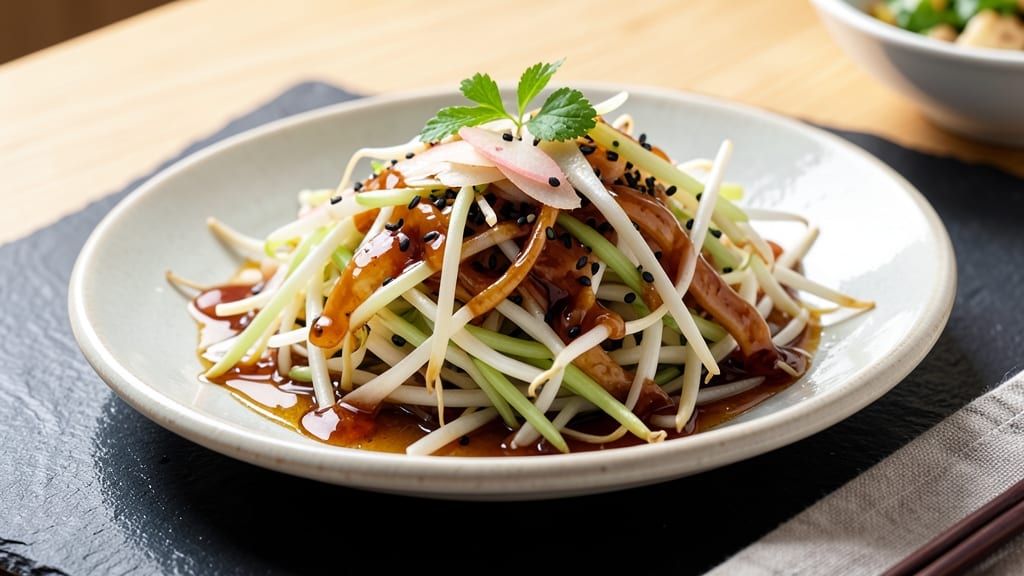
This Japanese-style bean sprout recipe transforms simple moyashi into a crisp-tender crunch with bold soy-ginger flavors that balance perfectly. The secret lies in quick blanching followed by a light stir-fry that preserves that satisfying snap while infusing deep umami.
I first discovered this technique during a visit to a Kyoto izakaya, where the dish arrived piping hot with a side of steamed rice—simple yet unforgettable.
What makes this recipe special is its ability to deliver restaurant-quality results in just 15 minutes, using only five core ingredients: fresh bean sprouts, soy sauce, ginger, sesame oil, and a touch of mirin for brightness.
The blanching step is critical—it softens the sprouts just enough to create that signature crisp-tender texture without losing their natural crunch. Traditional Japanese cuisine often features this dish as a side, but its versatility makes it perfect for hot pots or even as a standalone salad.
The final dish delivers a perfect harmony of flavors: the savory depth of soy sauce, the warm kick of fresh ginger, and the nutty richness of toasted sesame oil.
Each bite offers that satisfying contrast between the crisp exterior and tender interior, making it a dish that’s both comforting and refreshing. Serve it alongside steamed rice and miso soup for a complete Japanese meal experience.
This recipe is particularly well-suited for vegetarians, as it relies entirely on plant-based ingredients while still delivering the bold flavors that define Japanese home cooking. The key to success lies in timing—blanching the sprouts just right ensures they remain crisp-tender, while the stir-fry step locks in those vibrant flavors.
Once you try this version, you’ll never settle for store-bought again.
Ingredients for bean sprout recipe japanese style
Five core ingredients transform ordinary bean sprouts into a restaurant-worthy Japanese side dish.
| Ingredient | Amount | Notes |
|---|---|---|
| Fresh Bean Sprouts (Moyashi) 🌱 | 12 oz | Organic preferred for crispness |
| Japanese Soy Sauce 🍶 | ¼ cup | Kikkoman preferred for authenticity |
| Fresh Ginger 🧄 | 1 tbsp | Finely grated, aromatic |
| Toasted Sesame Oil 🫒 | 1 tbsp | High-quality, nutty flavor |
| Mirin 🍶 | 1 tbsp | Sweet rice wine, not cooking wine |
| Neutral Oil (Vegetable or Canola) 🫒 | 1 tbsp | For high-heat stir-fry |
| White Sesame Seeds 🌰 | 1 tsp | Toasted for garnish |
| Green Onion 🧅 | 2 whole | Thinly sliced, for garnish |
| Rice Vinegar 🍶 | ½ tsp | For brightness, optional |
| Diamond Crystal Kosher Salt 🧂 | ¼ tsp | Adjust to taste |
| Water 💧 | 4 cups | For blanching |
The freshness of the bean sprouts is non-negotiable—look for bright green, crisp moyashi at Asian markets or the refrigerated section of well-stocked grocery stores like Whole Foods or Trader Joe's. The Kikkoman soy sauce is essential for that authentic umami depth, though Japanese-style tamari works equally well. For ginger, organic is best—its vibrant color and sharp aroma translate directly to flavor. If you can't find mirin, a 1:1 mix of dry sherry and sugar (dissolved) mimics its sweet-tart profile, though purists may notice the difference. The sesame oil should be 100% pure, toasted—none of that cheap, flavorless stuff that smells like paint thinner.
No mirin? Substitute 1 tbsp sugar plus 1 tbsp rice vinegar—it won’t be identical, but the dish will still shine. Running short on sesame oil? A drizzle of neutral oil plus a pinch of toasted sesame seeds adds that nutty aroma without the full flavor. The blanching water must be boiling when you add the sprouts—anything less and they’ll turn mushy. For the stir-fry, high heat is critical—if your pan isn’t screaming hot, the sprouts will steam instead of sear. The green onions and sesame seeds are purely decorative but add a fresh, crunchy contrast that elevates the dish from side to centerpiece. Pro tip: Toast the sesame seeds in the same pan after cooking for maximum aroma.
Blanched sprouts keep for up to 3 days in the fridge, but they’ll lose their crispness—best to cook fresh. The stir-fried version holds for 2 days refrigerated, though the texture degrades quickly. For longer storage, freeze the blanched (uncooked) sprouts in a single layer on a tray before transferring to a bag—thaw and finish cooking as directed. This dish reheats poorly, so plan to serve immediately. Garnishes like sesame seeds and green onions can be added fresh post-reheating for a restaurant-quality finish. Pair with steamed rice and miso soup for a complete Japanese meal experience.
Why You'll Love This Recipe
- No-Chop Needed: I swear by this—just rinse those bean sprouts, toss them in a hot pan, and let the ginger and soy sauce work their magic. Five minutes, zero prep stress.
- Umami Bomb: That combo of mirin and toasted sesame oil? It’s like a flavor explosion in your mouth—bright, salty, with this deep, savory richness that sticks with you. Honestly, I’ll take this over any takeout any day.
- Lunchbox Hero: Between us, this is my go-to for bento boxes or packed lunches. The sprouts stay crisp, the dressing clings perfectly, and it’s the one thing my kids actually finish. (Yes, even on a Tuesday.)
- Pantry Magic: Use up those leftover sprouts, a splash of soy sauce, and a thumb of ginger—it’s the ultimate budget stretch. I’ve made this with half the ingredients and still called it dinner. Reliable? Absolutely.
Step-by-step instructions for Japanese-style bean sprouts
Master the art of crisp-tender bean sprouts with this precise method for perfect texture and authentic flavor.
Blanch the Bean Sprouts for Crisp-Tenderness
Bring the 4 cups water to a rolling boil in a medium saucepan. Add the 12 oz fresh bean sprouts (moyashi) and cook for exactly 2 minutes—this brief blanching preserves their vibrant color while softening them just enough for the stir-fry. Immediately drain using a fine-mesh strainer and rinse under cold water for 10 seconds to stop the cooking process. The sprouts should be bright green and retain their shape, with just a slight give when pressed between fingers.
This blanching step is critical—overcooking will turn them mushy, while undercooking leaves them too firm. The cold water rinse also removes any surface starch that might make them gummy during stir-frying. Work quickly to maintain their crisp texture throughout the process.
Prepare the Soy-Ginger Marinade
In a small bowl, whisk together the 0.25 cup Japanese soy sauce, 1 tbsp finely grated fresh ginger, 1 tbsp mirin, and 0.25 tsp Diamond Crystal kosher salt until fully combined. The mixture should be smooth and aromatic, with the ginger releasing its characteristic warmth. Set aside while you prepare the sprouts for cooking.
This marinade forms the flavor foundation of the dish, balancing the soy's saltiness with ginger's spice and mirin's subtle sweetness. The salt also helps draw out moisture from the sprouts, preventing them from steaming instead of searing. I prefer Kikkoman soy sauce for its authentic umami depth, but any high-quality Japanese soy will work.
Stir-Fry for Perfect Texture and Color
Heat the 1 tbsp neutral oil in a large skillet over medium-high heat until shimmering. Add the blanched sprouts in a single layer, spreading them evenly. Cook undisturbed for 1-2 minutes until they develop golden spots—this creates the signature caramelized texture. Toss gently with tongs and continue cooking for another 2-3 minutes until the sprouts are crisp-tender (they should offer slight resistance when pierced with a fork).
Here's the key: don't overcrowd the pan or the sprouts will steam rather than sear. If they begin to brown too quickly, reduce heat slightly to medium. The goal is to maintain that perfect contrast between crisp edges and tender centers. The oil should be hot enough to sizzle gently but not smoke excessively.
Finish with Flavor and Garnish
Pour the soy-ginger marinade over the hot sprouts and toss immediately to coat evenly. Add the 1 tbsp toasted sesame oil and 0.5 tsp rice vinegar, then stir-fry for an additional 30 seconds until the sauce has reduced slightly and clings to the sprouts. The dish should now have a glossy appearance with visible sesame oil flecks.
Remove from heat and transfer to a serving platter. Garnish with 2 whole green onions, thinly sliced on the bias, and sprinkle with 1 tsp white sesame seeds for texture contrast. The vinegar adds a bright finish that cuts through the richness of the soy and sesame, while the sesame seeds provide a satisfying crunch with each bite.
Pro Tips For Making Bean Sprout Recipe Japanese Style
- Blanch Before Stir-Fry: Toss the bean sprouts in boiling water for 30 seconds first—this softens the tough outer layer and keeps them from turning mushy when they hit the pan. I learned this the hard way after a batch turned into a sad, watery pile.
- Use Thin Ginger Slices: Skip the grating—thinly slice the ginger (about 1/8-inch thick) so it infuses flavor without overpowering the delicate sprouts. Thick chunks sit like rocks, while slices dissolve smoothly into the sauce.
- Low Heat for Sesame Oil: Add toasted sesame oil after the sprouts are done cooking, then toss on the lowest heat setting—it burns faster than you’d think. High heat turns it bitter, and no one wants that smoky regret.
- Reduce Mirin Last: Let the soy sauce and ginger simmer until it’s syrupy before adding mirin—this deepens the umami without turning the dish overly sweet. Stir in the mirin just before serving so it doesn’t cook off.
Storing and reheating this dish
Blanched Sprout Storage
Blanched bean sprouts stay fresh in the fridge for 3 days if stored properly. Place them in an airtight container with a paper towel to absorb excess moisture—this prevents sogginess and preserves their crisp texture.
I use Glasslock containers because they seal tightly while allowing airflow. Label with the date and store in the coldest part of your fridge, typically the bottom shelf. 💧
Stir-Fried Sprout Shelf Life
The fully cooked stir-fried version lasts 2 days refrigerated, but texture degrades quickly. For best results, reheat only once and serve immediately after warming. If storing, keep in a microwave-safe container with a splash of water to maintain moisture.
The flavors actually deepen overnight, but the crisp-tender texture becomes more uniform rather than crispy.
Freezing Blanched Sprouts
Freeze blanched (uncooked) sprouts for up to 3 months using the flash-freeze method. Spread them in a single layer on a baking sheet for 1 hour to create ice crystals, then transfer to a ziplock freezer bag.
This prevents clumping. Thaw in the fridge overnight before finishing with the stir-fry—never microwave directly from frozen as it destroys the texture. 🥶
Reheating Methods
For best results, reheat stir-fried sprouts in a nonstick skillet over medium heat with 1 tsp neutral oil for 2-3 minutes. Add 1 tsp water to prevent drying.
Microwave reheating works in 1-minute bursts on high, but the texture becomes softer. Always add fresh green onions and sesame seeds after reheating for that restaurant-quality finish. 🔥
Garnish Preservation
Toasted sesame seeds and green onions should be added fresh after reheating. Store them separately in small airtight containers in the fridge for up to 1 week.
The seeds lose their crunch when exposed to heat, while the onions wilt quickly. This final garnish makes all the difference between homemade and restaurant-quality presentation. ✨
Portioning Tips
Divide cooked sprouts into single-serving portions before storing to maintain texture. Use ramen-style bento boxes for easy reheating and serving. Each portion reheats more evenly, and you can customize garnishes per serving. This also prevents the common issue of some portions becoming overcooked during reheating while others remain underdone. 🍱
Nutrition facts
Frequently asked questions
Can I substitute regular soy sauce for Japanese soy sauce?
You can use regular soy sauce, but the flavor won't be as authentic. Japanese soy sauce (like Kikkoman) has a deeper umami profile and slightly sweeter taste. For a quick substitute, mix 1 tbsp sugar with 0.25 cup regular soy sauce to mimic the sweetness of mirin and Japanese soy. The dish will still taste good, but purists may notice the difference.
How do I keep the bean sprouts crispy after cooking?
The key is the blanching step—cook them for exactly 2 minutes in boiling water, then rinse with cold water immediately. After stir-frying, serve right away or store in an airtight container with a paper towel to absorb moisture. For reheating, use a nonstick skillet with 1 tsp oil and 1 tsp water over medium heat for 2-3 minutes only. Microwaving will make them soggy.
What if I don't have mirin? Can I make a substitute?
Mix 1 tbsp sugar with 1 tbsp rice vinegar for a 1:1 mirin substitute. For even better results, use 1 tbsp dry sherry plus 1 tsp sugar. The dish will still have that bright, slightly sweet flavor without the exact same depth. This works perfectly for both the marinade and any additional drizzles.
Can I make this dish ahead of time?
Blanched (uncooked) sprouts store well for 3 days in the fridge, but the stir-fried version is best served fresh. If prepping ahead, blanch and store the sprouts, then finish cooking just before serving. For longer storage, freeze blanched sprouts for up to 3 months—thaw overnight in the fridge before stir-frying. The flavors develop better when made fresh, but you can reheat portions in a skillet with a splash of water.
Is this recipe vegetarian? Can I make it vegan?
Yes, this recipe is naturally vegetarian. For a vegan version, simply omit the optional white sesame seeds (which are technically vegan) and use a vegan-friendly soy sauce like tamari. All other ingredients are plant-based. The dish maintains its full flavor profile without any animal products.