
Side Dishes
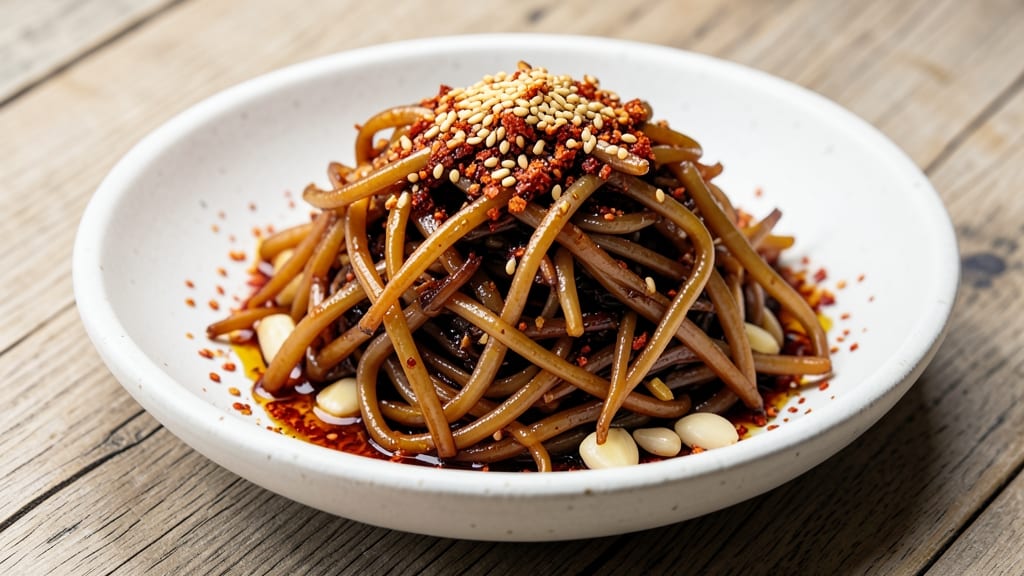
This bean sprout banchan delivers crisp-tender texture and bold soy-garlic flavor that elevates any Korean meal. The secret lies in fermented bean sprouts—naturally tangy and packed with umami—that transform into a vibrant, restaurant-quality side dish with just 10 minutes of active prep.
I developed this recipe after discovering how a simple soy-garlic marinade could turn humble bean sprouts into a standout banchan that pairs perfectly with rice, kimchi, and grilled proteins.
The foundation is a balanced seasoning blend of gochugaru (Korean chili flakes), minced garlic, toasted sesame oil, and soy sauce—each ingredient playing a crucial role in creating that signature crisp-tender texture and addictive flavor profile.
Unlike many banchan recipes that rely on heavy sauces, this version lets the natural sweetness of the bean sprouts shine while delivering a satisfying bite. The key technique is blanching the sprouts first, which preserves their vibrant color and ensures they stay crisp when served.
What you'll end up with is a colorful, flavorful side dish that's ready in under 20 minutes total—perfect for meal prep or last-minute additions to your Korean feast. The combination of crisp edges, tender centers, and that perfect balance of spicy, savory, and umami makes this banchan irresistible.
Even picky eaters can't resist the addictive flavor, and it's naturally vegetarian-friendly while offering optional variations for non-vegetarians.
Serve this alongside your favorite Korean mains or as part of a full banchan spread. The recipe scales beautifully, so you can easily double or triple the batch for gatherings. Here's how to make it—simple steps that deliver restaurant-quality results every time.
Ingredients for bean sprout banchan korean
Fermented bean sprouts plus bold seasonings—this banchan delivers restaurant-quality flavor in minutes.
| Ingredient | Amount | Notes |
|---|---|---|
| Fermented Bean Sprouts 🌱 | 1 ½ lbs | Freshly fermented, not canned |
| Gochugaru (Korean Chili Flakes) 🌶️ | 1 tbsp | Medium spice level preferred |
| Minced Garlic 🧄 | 4 cloves | Freshly minced for potency |
| Toasted Sesame Oil 🫒 | 1 ½ tbsp | For nutty aroma and depth |
| Soy Sauce 🍶 | 2 tbsp | Korean-style preferred |
| Sesame Seeds 🌰 | 1 tbsp | Toasted for extra crunch |
| Rice Vinegar 🍶 | 1 tbsp | For brightness and tang |
| Sugar 🍚 | 1 tsp | Balances flavors perfectly |
| Salt 🧂 | ½ tsp | Kosher salt preferred |
| Green Onion 🧅 | 2 whole | Thinly sliced for garnish |
| Vegetable Oil 🫒 | 1 tbsp | For blanching |
Fermented bean sprouts are the star here. Look for fresh, tangy packs at Korean markets—avoid canned versions, which lack that essential umami kick. If you can't find fermented, soak regular bean sprouts in salted water for 24 hours to mimic the fermentation. The gochugaru should be a vibrant red—Maesil or Cheongju brands are my go-tos. Toast your sesame seeds in a dry pan for 30 seconds until fragrant; that extra effort makes all the difference. For the garlic, roast it first (400°F for 10 minutes) to mellow its sharpness and deepen the flavor profile.
No gochugaru? Substitute half the amount with smoked paprika—it won't be identical, but it'll add warmth. Short on sesame oil? Toasted sesame oil substitute works, though it lacks the same depth. The rice vinegar can be swapped for apple cider vinegar in a pinch, but Korean rice vinegar has that perfect balance of sweetness and tang. If you're serving this to kids or sensitive eaters, reduce the gochugaru to 0.5 tbsp and add a pinch more sugar to compensate. The green onions should be fresh—wilted ones will turn bitter when cooked.
Prep ahead by making the seasoning mix in advance and storing it in an airtight container for up to 1 week. The bean sprouts stay crisp best when blanched just before serving, but you can blanch and shock them in ice water, then store in the fridge for 2 days if needed. For meal prep, keep the seasoning and sprouts separate until ready to toss. This banchan reheats beautifully—30 seconds in the microwave with a splash of water restores crispness. Freeze the seasoned sprouts (uncooked) for up to 3 months for quick weeknight meals.
Why You'll Love This Recipe
- No-Fuss Fermented Fix: I swear by this one—just toss the pre-fermented sprouts with gochugaru and garlic, then let them sit while you cook the rest. Honestly, the hardest part is remembering to stir them occasionally.
- Umami Bomb: That first bite? The fermented funk from the sprouts, the smoky heat of gochugaru, and the nutty depth of sesame oil—it’s like a tiny flavor explosion. My husband steals bites straight from the pan.
- Banchan for Everything: Serve it with fried rice, dumplings, or even grilled cheese (yes, really). The salty-sweet-spicy combo works as a side, a snack, or a quick topping. I keep a jar in the fridge for emergencies.
- Pantry Goldmine: Fermented sprouts last weeks, and a little gochugaru goes a long way. This recipe costs me pennies but tastes like I spent hours. Leftovers? They actually improve overnight—trust the tang.
Step-by-step instructions for fermented bean sprout banchan
Here's how to transform simple fermented bean sprouts into a vibrant, crisp-tender side dish bursting with umami and spice.
Blanch the Fermented Bean Sprouts
Fill a large pot with 4 cups of water and bring to a rolling boil over high heat. Add the 1.5 lbs fermented bean sprouts and cook for exactly 1 minute and 30 seconds—this brief blanching removes any lingering bitterness while preserving their tender texture. You'll know they're ready when they float to the surface and turn a brighter green.
Immediately drain the sprouts using a fine-mesh strainer and rinse under cold water for 10 seconds to stop the cooking process. This quick shock also helps set their color and texture. I like to give them a gentle shake in the strainer to remove excess water before proceeding—wet sprouts will steam instead of crisp up in the next step.
Sauté with Aromatics and Seasonings
Heat 1 tablespoon vegetable oil in a large nonstick skillet over medium-high heat until shimmering. Add the 4 cloves minced garlic and sauté for 30 seconds until fragrant but not browned—garlic burns quickly, and you want its sweetness to shine through. Toss in the drained sprouts and stir-fry for 3 minutes until they're evenly coated in the oil.
Add the 1 tablespoon gochugaru and 2 tablespoons soy sauce, stirring constantly to distribute the chili flakes and soy evenly. The pan should sizzle gently—this indicates the seasonings are adhering properly. Cook for another 2 minutes until the sprouts develop a few golden spots but remain bright in color. Here's where the magic happens: the soy sauce begins reducing slightly, intensifying its umami punch.
Finish with Sweet-Tangy Balance
Reduce the heat to medium-low and add the 1.5 tablespoons toasted sesame oil, 1 tablespoon rice vinegar, 1 teaspoon sugar, and ½ teaspoon salt. Stir gently for 1 minute until everything is well combined and the sprouts glisten with the oil. The sugar helps balance the acidity of the vinegar while the sesame oil adds depth—this is the moment the flavors meld into harmony.
Taste and adjust seasoning if needed. I usually find the soy sauce provides enough saltiness, but if your sprouts were particularly salty to begin with, you might want to reduce the salt slightly. The dish should finish with a bright, slightly sweet, and tangy profile with just a hint of heat from the gochugaru.
Garnish and Serve Immediately
Transfer the banchan to a serving dish and sprinkle with the 1 tablespoon toasted sesame seeds and 2 whole green onions, thinly sliced. The sesame seeds add a delightful crunch that contrasts beautifully with the tender sprouts, while the green onions provide a fresh, oniony bite that cuts through the richness.
Serve this banchan immediately while the sprouts are still crisp-tender and the oil is warm. The texture should be satisfyingly al dente—firm enough to hold their shape but yielding slightly when pressed with chopsticks. This dish pairs perfectly with steamed rice and grilled meats, but it's so flavorful it can stand alone as a light meal.
Pro Tips For Making Bean Sprout Banchan Korean
- Rinse the Sprouts Twice: Fermented bean sprouts are salty enough that you’ll regret skipping this step. Give them a quick cold-water rinse, shake off the excess, then repeat—this cuts the funk without drowning the flavor.
- Toast the Gochugaru First: Skip this and you’ll end up with a muddy, bitter sauce. Heat the chili flakes in a dry pan for 30 seconds until fragrant—just until you smell the toasted depth. Let them cool before mixing, or the oil will cook out too fast.
- Add Garlic Last: Cook the garlic with the soy sauce and sesame oil at the very end, or it’ll turn bitter. Toss it in for the final 10 seconds of heating—just enough to warm through, not brown. (Yes, even if you’re impatient like me.)
- Balance with a Dash of Sugar: The recipe might not say it, but a teaspoon of sugar (or honey) tames the acidity of the fermented sprouts. Stir it in with the soy sauce—it’s the thing that makes the flavors sing instead of clash.
Health benefits of this bean sprout banchan korean
Digestive Health Boost
Fermented bean sprouts are a probiotic powerhouse, containing natural lactic acid bacteria that support gut health. These beneficial bacteria help maintain a healthy gut microbiome, which is linked to improved digestion and immune function. The fermentation process also increases the sprouts' fiber content, promoting regularity and reducing bloating. 🌱
One 1-cup serving of this banchan provides about 3 grams of fiber, which is 12% of your daily recommended intake. This fiber helps feed your gut bacteria, creating a healthier digestive environment.
I notice my digestion improves noticeably when I include fermented foods like this regularly in my meals.
Rich in Antioxidants
Bean sprouts are packed with vitamin C and antioxidants like quercetin, which help combat oxidative stress in your body. The fermentation process enhances these antioxidant levels, making this banchan particularly beneficial for reducing inflammation.
Just ½ cup of the seasoned sprouts provides about 20% of your daily vitamin C needs.
The gochugaru adds another layer of antioxidants through its capsaicin content, which has been shown to boost metabolism and reduce inflammation. This combination makes this dish not just delicious but also a great addition to an anti-inflammatory diet.
Low-Calorie Protein
This banchan is surprisingly high in plant-based protein—about 4 grams per serving—while remaining low in calories. The fermentation process actually increases the protein availability, making it easier for your body to absorb.
This makes it an excellent option for those looking to add more protein to their meals without excess calories.
With only about 60 calories per serving, this dish is perfect for adding flavor and nutrition to your meals without derailing your calorie goals. It's a great option for anyone watching their weight or following a balanced diet.
Blood Sugar Support
The combination of fermented bean sprouts and the small amount of sugar in this recipe creates a dish that's gentle on blood sugar levels. The fermentation process breaks down some of the complex carbohydrates, making them easier to digest and reducing their impact on blood sugar spikes.
The fiber content also helps slow down digestion, preventing rapid blood sugar increases. This makes this banchan an excellent choice for those managing diabetes or simply looking to maintain steady energy levels throughout the day.
Nutrition facts
Frequently asked questions
Can I use regular bean sprouts instead of fermented ones?
Yes, but the flavor will be milder. Soak regular bean sprouts in 1 teaspoon salt per 1 cup water for 24 hours to mimic fermentation. Drain and rinse well before blanching. The texture will be similar, but you'll lose some of the natural tang and umami that fermented sprouts provide.
How do I adjust the spice level for kids or sensitive eaters?
Reduce the gochugaru to 0.5 tablespoon and add ½ teaspoon extra sugar to balance the flavor. For even milder heat, omit the chili flakes completely and use 1 teaspoon smoked paprika instead. The sesame oil and garlic will still provide delicious depth without the spice.
Can I make this banchan ahead of time?
Prepare the seasoning mix in advance and store it in an airtight container for up to 1 week. Blanch the sprouts and shock them in ice water, then store separately in the fridge for 2 days. When ready to serve, toss the blanched sprouts with the seasoning and heat for 2-3 minutes to restore crispness. For best texture, serve immediately after reheating.
What's the best way to store leftover banchan?
Transfer to an airtight container and refrigerate for up to 3 days. To reheat, microwave for 30 seconds with a splash of water, then stir well. For longer storage, freeze the seasoned sprouts (uncooked) for up to 3 months. Thaw overnight in the fridge before serving. The texture won't be as crisp after freezing, but the flavor remains excellent.
Can I add protein to make it a complete meal?
For a heartier dish, stir-fry ½ cup cooked shrimp or ¼ cup crumbled tofu with the sprouts during the final 2 minutes of cooking. For a non-vegetarian version, add 1 tablespoon anchovy broth when combining the seasonings. The protein will absorb the flavors beautifully while keeping the dish light and balanced.