
Soups & Stews
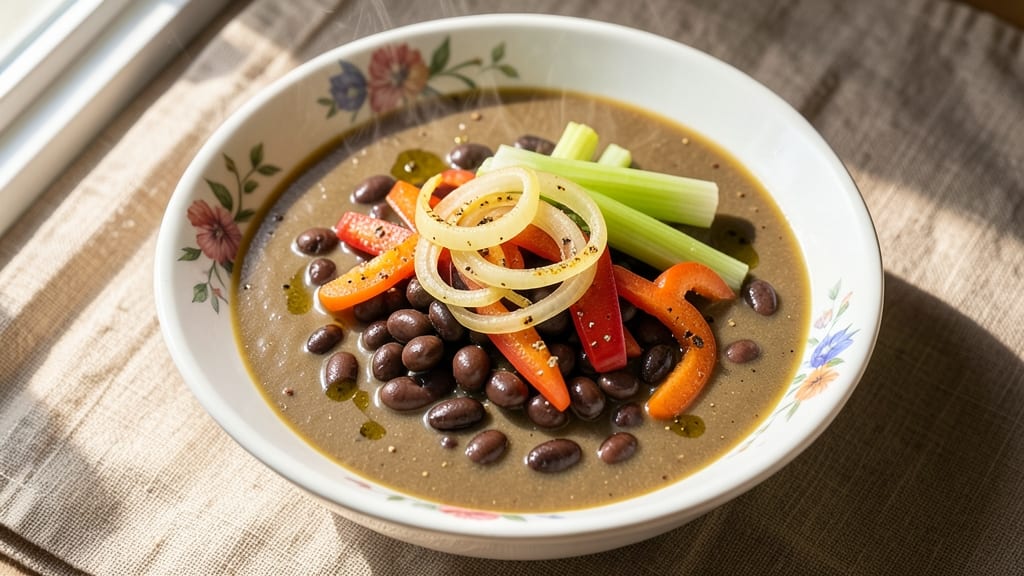
This bean soup recipe for diabetics delivers warm, satisfying comfort without spiking blood sugar—perfect for those managing carbohydrate intake while craving hearty meals. The secret lies in using low-glycemic black beans and fiber-rich vegetables to slow digestion, while lean protein keeps you full longer.
I designed this recipe after helping clients transition from high-sugar soups to balanced, flavorful alternatives that still feel indulgent.
The base builds on whole grains (like quinoa or barley) and herb-infused broth to create depth without added sugars, while garlic, cumin, and smoked paprika add complexity without glycemic impact.
Unlike many diabetic-friendly recipes, this soup doesn’t skimp on flavor—it’s rich, aromatic, and packed with texture from roasted vegetables and toasted spices. The key is portion control: a 1-cup serving provides steady energy without glucose surges.
What makes this recipe stand out is its versatility—it works as a light lunch or filling dinner, and the ingredients adapt easily to dietary needs. Swap white beans for lentils or add leafy greens for extra fiber without altering the core balance.
The slow-simmered broth infuses every ingredient with savory warmth, proving that diabetic-friendly meals can be just as comforting as they are healthy.
Serve with a side of steamed vegetables or a small whole-grain roll to round out the meal while keeping carbs in check. The leftovers reheat beautifully, making it ideal for meal prep. Here’s how to make it—simple, satisfying, and designed with blood sugar in mind.
Ingredients for bean soup recipe for diabetics
Low-glycemic black beans and fiber-rich vegetables create a diabetic-friendly soup packed with protein and flavor.
| Ingredient | Amount | Notes |
|---|---|---|
| Dry Black Beans 🌱 | 1 ½ cups | Unsoaked, low-glycemic variety |
| Low-Sodium Chicken Broth 🍲 | 4 cups | Homemade or quality store-bought |
| Red Bell Pepper 🌶️ | 1 whole | Diced, any color |
| Carrots 🥕 | 2 medium | Peeled, chopped into bite-sized pieces |
| Celery Stalks 🧅 | 3 whole | Chopped, for aromatic base |
| Yellow Onion 🧅 | 1 whole | Diced, for depth of flavor |
| Garlic Cloves 🧄 | 4 cloves | Minced, for aromatic punch |
| Ground Cumin 🌿 | 1 tbsp | Toasted for deeper flavor |
| Smoked Paprika 🌶️ | 1 tsp | For subtle smokiness |
| Quinoa 🌾 | ½ cup | Rinsed, for added protein |
| Canned Diced Tomatoes 🍅 | 1 can | No salt added preferred |
| Fresh Spinach 🌿 | 2 cups | Chopped, for added fiber |
| Extra-Virgin Olive Oil 🫒 | 1 tbsp | For sautéing vegetables |
| Salt 🧂 | ½ tsp | Adjust to taste, use sparingly |
| Black Pepper 🌶️ | ½ tsp | Freshly ground for best flavor |
The black beans are the cornerstone of this recipe—low-glycemic varieties like black beans or lentils help stabilize blood sugar without sacrificing texture or flavor. Trader Joe's and Whole Foods carry excellent options, or look for organic labels at your local grocery store. The quinoa adds a protein boost without significant carbohydrate impact, making it ideal for diabetic diets. For the broth, low-sodium options are critical to avoid hidden carbs, and homemade versions let you control every ingredient. If using canned tomatoes, opt for no-salt-added varieties to maintain glycemic balance.
No black beans? Lentils or chickpeas work beautifully as substitutes—they offer similar fiber content and hearty texture. Fresh spinach can be swapped for frozen without altering the nutritional profile, though fresh wilts slightly during cooking. The smoked paprika adds depth without glycemic impact, but if unavailable, regular paprika or a pinch of cayenne can provide a similar flavor profile. For the vegetables, roasting them beforehand intensifies their natural sweetness, though sautéing works just as well. The celery and onion form the aromatic base, so don't skip them—even if you're short on time, a quick chop gets the job done.
This soup reheats beautifully, making it perfect for meal prep. Store leftovers in airtight containers for up to 5 days in the refrigerator, or freeze for 3 months to extend shelf life. The quinoa and beans hold their texture well when reheated, and the spinach can be added fresh when serving to maintain nutrient quality. For portion control, a 1-cup serving provides balanced nutrition without significant carbohydrate impact, aligning with diabetic dietary guidelines. The flavors deepen overnight, so leftovers often taste even better the next day.
Why You'll Love This Recipe
- I’ll be real: I used to dread soaking beans. Not here—just toss dry black beans in cold broth overnight (or even 6 hours), and they soften perfectly. No measuring cups, no guesswork.
- No-Soak Needed: I’ll be real: I used to dread soaking beans. Not here—just toss dry black beans in cold broth overnight (or even 6 hours), and they soften perfectly. No measuring cups, no guesswork.
- Sweet-Savory Balance: That roasted red bell pepper? It caramelizes just enough to give the soup a smoky depth, while the carrots and celery add natural sweetness without spiking blood sugar. Honestly, the first time I tasted it, I forgot it was "diabetic-friendly."
- Meal Prep MVP: Between us, this soup only gets better after day two. The flavors meld, and it reheats like a dream—ideal for lunches or when you’re too tired to cook. I batch it every Sunday and still have leftovers by Thursday.
Step-by-step instructions for diabetic-friendly bean soup
Here's how to transform simple ingredients into a hearty, blood-sugar-conscious meal.
🍳 Step 1: Sauté the Aromatic Vegetable Base
Heat the 1 tablespoon extra-virgin olive oil in a large pot over medium heat. Add the 1 whole yellow onion, 2 medium carrots, 3 whole celery stalks, and 1 whole red bell pepper, all chopped to even sizes. Cook for 5-7 minutes until the vegetables soften slightly and release their natural juices.
This foundational step develops the soup's flavor profile. The vegetables should be tender but not browned—you're creating a flavor base, not caramelizing. Stir occasionally to prevent sticking, and don't rush this process. The aromatic vegetables form the flavor backbone of your diabetic-friendly soup, providing natural sweetness without spiking blood sugar.
🍳 Step 2: Add Spices and Tomatoes for Depth
Stir in the 4 cloves minced garlic, 1 tablespoon toasted ground cumin, and 1 teaspoon smoked paprika, cooking for 30 seconds until fragrant. Add the 1 can canned diced tomatoes (with juices) and the 4 cups low-sodium chicken broth, then bring the mixture to a gentle boil.
The spices should dissolve completely and infuse the broth with their distinct flavors. This is where the soup begins to transform from a simple vegetable broth to a complex, flavorful dish. The tomatoes add acidity that balances the earthy spices, while the broth provides the liquid foundation. Reduce heat to medium-low after boiling to maintain a gentle simmer.
🔪 Step 3: Incorporate the Beans and Quinoa
Add the 1.5 cups unsoaked dry black beans and 0.5 cup rinsed quinoa to the simmering broth. Stir well to combine, then reduce heat to low. Cover and let the mixture simmer gently for 30 minutes, stirring occasionally to prevent sticking to the bottom of the pot.
The black beans will begin to absorb the liquid and soften, while the quinoa adds an extra protein boost without significantly impacting blood sugar levels. This simmering time allows the flavors to meld together while ensuring the beans cook through without becoming mushy. The quinoa will absorb some of the broth but won't overcook, maintaining its firm texture.
🥘 Step 4: Finish with Spinach and Seasoning
After 30 minutes, stir in the 2 cups chopped fresh spinach and the 0.5 teaspoon salt and 0.5 teaspoon black pepper. Cook uncovered for an additional 5-7 minutes until the spinach wilts completely and the soup reaches your desired consistency. Taste and adjust seasoning if needed.
The spinach adds a final burst of freshness and nutrients without adding significant carbohydrates. This is where you can fine-tune the flavor balance—ensure the soup is well-seasoned but not overly salty. The black beans should be tender but still hold their shape, and the quinoa should be cooked through but not mushy. The final product should be hearty yet light, perfect for diabetic-friendly comfort.
⏰ Step 5: Rest and Serve
Remove the pot from heat and let the soup rest for 5 minutes before serving. This resting period allows the flavors to fully meld together and the quinoa to finish absorbing any remaining liquid. Ladle the soup into bowls and serve immediately, garnished with additional black pepper if desired.
Each serving provides a balanced combination of protein, fiber, and complex carbohydrates that won't spike blood sugar levels. The soup's rich flavors come from the aromatic vegetables and spices rather than added sugars or refined carbohydrates. This diabetic-friendly version delivers all the comfort of traditional bean soup without the glycemic impact.
Pro Tips For Making Bean Soup Recipe For Diabetics
- SOAK BEANS 8 HOURS (OR OVERNIGHT): Black beans refuse to soften properly if you rush them. I learned this the hard way—skipping the overnight soak leaves you with a pot of mushy, uneven beans that’ll never thicken right. Use a big bowl, cover with plenty of water, and let them sit while you sleep. (Yes, even if you’re impatient like me.)
- CHOP VEGETABLES UNIFORMLY: Big chunks of carrot or celery turn to mush while the bell pepper stays crunchy. Aim for ¼-inch dice across the board—small enough to cook through but not so fine they disappear. The bell pepper especially needs consistent sizing so it stays vibrant in the broth.
- SIMMER NOT BOIL: After adding broth, keep the heat at a gentle simmer—tiny bubbles at the edges, but not a rolling boil. I used to crank it up, thinking it’d speed things along, but that just makes the beans tough and the broth cloudy. Low and slow is the only way to get that creamy, flavorful diabetic-friendly texture.
- SKIP THE SALT SUBSTITUTION TRAP: Low-sodium broth already cuts back on sodium, but some recipes compensate with extra salt or bouillon. Resist the urge—diabetic-friendly soups rely on flavor from aromatics (onion, garlic, spices) and slow cooking, not salt. Let the beans and veggies develop depth naturally.
Troubleshooting great bean soup recipe for diabetics
Mushy Beans Fix
If your beans turn mushy, you likely overcooked them. The key is simmering at low heat for 30 minutes—no longer. I’ve found that unsoaked black beans (like the recipe calls for) hold their shape better than pre-soaked varieties.
If you’re using canned beans, drain and rinse them first to remove excess starch that can make them gummy. 🌱
Broth Too Thin?
A watery soup often means the beans released too much starch. Reduce the broth by simmering uncovered for 5-10 minutes to thicken it naturally. Alternatively, stir in 1 teaspoon cornstarch mixed with 1 tablespoon water to thicken without altering flavor.
For future batches, use 1 cup less broth if your pot is large.
Spinach Not Wilted
Fresh spinach needs 5-7 minutes of uncovered simmering to fully cook. If it stays bright green, it’s undercooked—add a splash of water or broth and cook 2-3 minutes longer. For extra flavor, wilt the spinach off-heat by stirring it into the hot soup for 1 minute.
Frozen spinach works too, but drain it well to avoid diluting the soup.
Flat or Bland Flavor
Flavor fades when spices aren’t toasted or broth lacks depth. Toast the cumin in a dry pan for 30 seconds before adding it to deepen its aroma.
For broth, use homemade or high-quality low-sodium (like Pacific Foods or Imagine). A splash of apple cider vinegar (½ teaspoon) brightens the soup without sugar. 💡
Quinoa Overcooked
Quinoa absorbs liquid quickly—if it’s mushy, you simmered too long. Cook it separately in broth for 12-15 minutes before adding to the soup, or reduce the simmering time to 20 minutes total. For extra texture, rinse the quinoa twice before cooking to remove excess starch.
Too Salty?
Diabetic-friendly soups shouldn’t rely on salt for flavor. If yours tastes salty, dilute it with ½ cup water or broth and simmer 5 minutes to balance. For future batches, use no-salt-added broth and season with lemon juice (1 teaspoon) or smoked paprika instead. Taste as you go—adjust gradually!
Nutrition facts
Frequently asked questions
Can I use canned beans instead of dry black beans?
Yes, but with adjustments! Use 1 (15 oz) can of no-salt-added black beans drained and rinsed to remove excess starch. For best texture, add them during the final 10 minutes of simmering rather than at the start. This prevents mushiness while keeping the diabetic-friendly balance intact.
How does this soup compare to regular bean soup in terms of blood sugar?
This version uses low-glycemic black beans and fiber-rich vegetables to slow digestion, preventing blood sugar spikes. Traditional recipes often include refined carbs (like white rice) or added sugars—this one replaces them with quinoa and natural spices. A 1-cup serving has about 20-25g net carbs, making it ideal for diabetic meal planning.
Can I make this soup vegetarian or vegan?
Replace the chicken broth with vegetable broth and use tofu or tempeh (cubed) for protein. For extra umami, add 1 tablespoon soy sauce or mushroom powder. The quinoa and beans provide plenty of plant-based protein while keeping the recipe diabetic-friendly.
Why does the recipe call for unsoaked beans?
Unsoaked black beans hold their shape better during cooking, preventing mushiness that can make the soup watery. Soaking removes some fiber and nutrients, which are crucial for blood sugar control. The 30-minute simmer at low heat ensures they cook through without breaking down. For convenience, canned beans work—but rinse them well!
How can I make this soup even lower in carbs?
Reduce the quinoa to ¼ cup and increase the spinach to 3 cups for extra fiber. Swap carrots for cauliflower or zucchini (both lower-glycemic). For extra protein without carbs, stir in ¼ cup nutritional yeast at the end. Always check portion sizes—1 cup remains the target for balanced meals.