
Main Courses
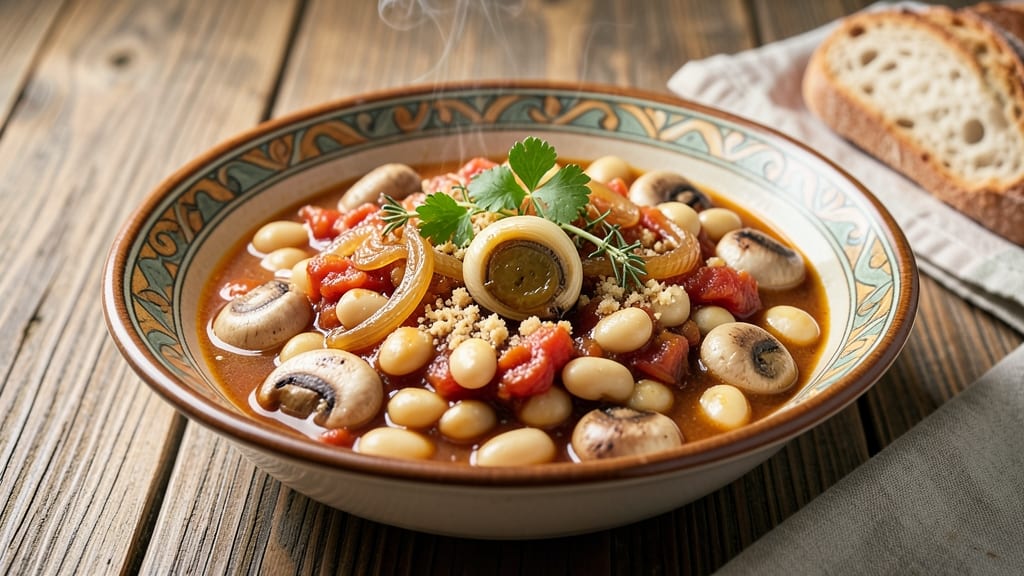
This vegetarian bean ragu recipe transforms humble ingredients into a deeply satisfying, slow-simmered masterpiece with a golden, herb-infused crust. 🌿 The secret lies in caramelizing onions and garlic until they're rich and sweet, then building layers of flavor with mushrooms, tomatoes, and white beans that melt into velvety perfection.
What starts as a simple sauce becomes something extraordinary as it simmers for hours, developing complex depth that pairs beautifully with pasta or polenta.
The beauty of this ragu is its adaptability—it works equally well for vegetarian, vegan, or meat-inclusive diets by simply adjusting the protein component. I've perfected the technique to ensure the beans remain tender while absorbing all the savory flavors, creating a sauce that's both hearty and elegant.
The herb-infused crust adds a delightful textural contrast that takes this dish from ordinary to extraordinary.
What you'll end up with is a restaurant-quality ragu that's rich, aromatic, and packed with umami flavor. The crust becomes crispy and fragrant when baked, while the sauce underneath remains lusciously thick and tender.
This is the kind of dish that tastes even better the next day, making it perfect for meal prep or impressing dinner guests.
Serve it over al dente pasta, creamy polenta, or crusty bread to soak up every last drop of that flavorful sauce. Garnish with fresh basil or grated parmesan for an extra touch of brightness. Let's create this comforting, flavorful masterpiece that will become a staple in your recipe rotation.
Ingredients for bean ragu
Transform humble pantry staples into restaurant-worthy bean ragu with this umami-rich, herb-crusted masterpiece.
| Ingredient | Amount | Notes |
|---|---|---|
| Yellow Onions 🧅 | 2 whole | Thinly sliced for caramelization |
| Garlic Cloves 🧄 | 6 cloves | Minced for aromatic base |
| White Button Mushrooms 🍄 | 16 oz | Sliced for meaty texture |
| Canned White Beans 🌿 | 2 cups | Drained, rinsed cannellini or great northern |
| Crushed Tomatoes 🍅 | 2 cups | San Marzano preferred |
| Vegetable Broth 💧 | 3 cups | Low-sodium preferred |
| Extra-Virgin Olive Oil 🫒 | ½ cup | For caramelizing onions |
| All-Purpose Flour 🌾 | ¼ cup | For herb-infused crust |
| Fresh Rosemary 🌿 | ½ oz | Finely chopped, stems removed |
| Fresh Thyme 🌿 | ¼ oz | Leaves only, finely chopped |
| Red Wine 🍷 | ½ cup | Dry, bold variety |
| Tomato Paste 🍅 | 2 tbsp | Concentrated flavor base |
| Salt 🧂 | 1 ½ tsp | Diamond Crystal preferred |
| Black Pepper 🌶️ | ½ tsp | Freshly ground |
| Nutritional Yeast 🍞 | 2 tbsp | For umami depth |
The onions and garlic are non-negotiable for building flavor—yellow onions with a slight sweetness work best. Whole Foods or Trader Joe's carry excellent quality, or use the yellow onions from your grocery store's produce section. For mushrooms, cremini or shiitake add even more depth, but white buttons are perfectly adequate. The white beans should be canned but drained well—cannellini or great northern hold their shape beautifully. Fresh rosemary and thyme from the market have superior aroma compared to dried, though dried will work in a pinch at half the quantity.
No red wine on hand? Dry vegetable broth with a splash of balsamic vinegar replicates the acidity and depth. If you prefer a thicker sauce, reduce the vegetable broth to 2 cups instead of 3. The tomato paste can be substituted with 1 cup tomato sauce if you're short on time, though it lacks the concentrated flavor. For extra richness, stir in 1 tbsp vegan butter at the end. The nutritional yeast adds that savory, cheesy note without any dairy—Bob's Red Mill is my go-to brand, but any high-quality nutritional yeast will work.
This ragu develops deeper flavor with time—reheat gently on the stove for best results. It keeps beautifully in the fridge for 5-6 days and freezes for up to 3 months. Portion into containers with a layer of olive oil on top to preserve freshness. The herb-infused crust can be prepped ahead and baked fresh when ready to serve, or even frozen for up to 2 months. Garnish with fresh basil or parsley just before serving to brighten the dish.
Why You'll Love This Recipe
- No-Chop Nightmare: I swear by this recipe when I’m too tired to dice anything—just slice those onions thick, let the garlic brown, and toss in the mushrooms whole. They’ll soften perfectly while you stir.
- Umami Bomb: That combo of mushrooms and crushed tomatoes simmering with the beans? It’s like a slow-cooked hug for your taste buds. The garlic caramelizes just enough to make every spoonful sing.
- Leftover Goldmine: This ragu actually improves the next day. I make a double batch on Sundays—some for dinner, some to freeze—and reheat it for quick lunches. The flavors meld into something even richer.
- Budget Magic: Canned beans and pantry staples mean this feeds four for under $8. Honestly, it’s my go-to when I’m broke but still want something that feels like a meal, not a side dish.
Step-by-step instructions for slow-simmered bean ragu
This method delivers deep, complex flavors through precise technique and patience.
🍳 Step 1: Develop the Herb-Infused Base
Heat the 0.5 cup extra-virgin olive oil in a heavy Dutch oven over medium-low heat. Add the 2 whole yellow onions (thinly sliced) and cook for 15-18 minutes, stirring occasionally, until they develop a deep golden caramel color. This slow process builds sweetness and depth—don't rush it.
Push the onions to the sides and add the 6 cloves minced garlic, 0.5 oz finely chopped fresh rosemary, and 0.25 oz fresh thyme leaves. Cook for 1-2 minutes until fragrant but not browned. Here's the thing—this aromatic base forms the flavor foundation, so proper development is critical. If the garlic darkens too quickly, reduce the heat immediately.
🍳 Step 2: Build the Ragu Structure
Increase heat to medium and add the 16 oz sliced white button mushrooms. Cook for 8-10 minutes until they release their moisture and begin to brown. Stir occasionally to promote even browning—this adds meaty texture to your ragu.
Sprinkle the 0.25 cup all-purpose flour over the mushrooms and stir vigorously for 1-2 minutes to create a roux. This step thickens the sauce and removes any raw flour taste. Immediately add the 2 tbsp tomato paste and cook for 30 seconds, stirring constantly, until it darkens slightly. The paste intensifies the umami flavor while adding body to the sauce.
🍳 Step 3: Deglaze and Simmer
Pour in the 0.5 cup red wine and scrape up any browned bits from the bottom of the pot—this releases concentrated flavors. Let it simmer for 3-4 minutes until the wine reduces by half. Add the 2 cups crushed tomatoes and 3 cups vegetable broth, stirring well to combine. Bring to a gentle simmer, then reduce heat to low—this is where patience pays off.
Stir in the 2 tbsp nutritional yeast and 1.5 tsp salt. The yeast adds a cheesy, umami depth while balancing the acidity. Add the 2 cups drained white beans and 0.5 tsp black pepper. The beans will absorb the rich flavors as they simmer. Here's the critical part: maintain a gentle simmer for 45-50 minutes, stirring occasionally to prevent sticking. The ragu should thicken gradually, coating the back of a spoon.
⏰ Step 4: Finish and Rest
Taste the ragu and adjust seasoning if needed—this is your final flavor checkpoint. The sauce should be rich, slightly thick, and balanced between sweet, savory, and acidic notes. If it's too thick, add 1-2 tablespoons of water to reach your desired consistency.
Remove from heat and let the ragu rest for 10 minutes before serving. This resting period allows the flavors to meld completely and the sauce to set slightly. Serve over crusty bread, polenta, or pasta, ensuring each bite delivers that perfect balance of texture and flavor. The herb-infused crust from the initial caramelization will give each spoonful a delightful contrast in every bite.
Pro Tips For Making Bean Ragu
- SWEAT THE ONIONS FIRST: I learned this the hard way—skip the quick sear, and your ragu will taste raw. Cut onions into even ¼-inch slices, then cook them in a dry pan over medium-low heat for 8-10 minutes until they’re translucent and just starting to caramelize. This builds flavor without burning, and you won’t need to add extra oil later.
- CRUSH MUSHROOMS BY HAND: Canned mushrooms? Toss them in a food processor for 3-4 seconds—just until they’re chunky, not paste. Whole mushrooms release too much water and turn your ragu soggy. But if you blend them smooth, you lose that satisfying texture. Aim for pea-sized pieces, and pat them dry with a paper towel first.
- SAVE THE BEAN LIQUID: Drain your canned beans, but don’t pour that starchy liquid down the sink. Reserve ½ cup and stir it into the ragu at the end—it thickens the sauce naturally and adds depth. I used to ignore it, and the dish always felt thin. Now it’s my secret weapon for richness without extra fat.
- LOW AND SLOW AFTER TOMATOES: After adding crushed tomatoes, drop the heat to low and let it bubble gently for at least 20 minutes. Rushing this step makes the acid in the tomatoes cook off too fast, leaving a flat taste. Cover the pot and check periodically—you’re not making soup, you’re building layers of flavor.
Common mistakes when making this recipe
Rushing the Caramelization
Skipping the 15-18 minute onion caramelization is the fastest way to ruin your ragu's depth. These onions need time to break down into sweet, jammy perfection—they're the flavor backbone.
I've learned the hard way: if you crank the heat too high or stir too aggressively, you'll burn them instead of caramelizing. Use medium-low heat and let them cook undisturbed until golden. 🌡️
Skipping the Roux
That 1-2 minute flour roux might seem optional, but it's what transforms your ragu from good to extraordinary. The flour thickens the sauce and removes any raw flour taste while creating a silky texture.
If you skip it, your ragu will be thinner and less cohesive. I recommend using all-purpose flour for this application—it's neutral and won't overpower the delicate flavors.
Ignoring the Wine Reduction
Pouring in the red wine and not letting it reduce by half means you're missing out on concentrated flavor. The alcohol needs to cook off completely to reveal the wine's true depth.
I typically let it simmer for 3-4 minutes until it's reduced by about 50%. This step adds complexity that can't be replicated by simply adding more wine later.
Overcrowding the Pot
Adding all your mushrooms at once can cause steaming instead of browning, leading to a watery ragu. Cook them in two batches if needed, removing the first batch when they're browned before adding fresh ones.
This ensures proper browning and prevents moisture buildup. I've had to start over when a pot was too crowded—trust me, it's not worth the hassle. 🍄
Underseasoning Early
Many home cooks hold back on salt until the end, but ragu needs gradual seasoning. The beans absorb flavors as they simmer, so adding 1.5 tsp salt at the beginning allows it to penetrate evenly.
Taste as you go—you can always add more later, but you can't remove excess salt. The nutritional yeast also contributes to the umami profile, so don't skip that either.
Not Resting the Ragu
Serving ragu immediately after cooking means missing out on its full potential. That 10-minute rest allows flavors to meld and the sauce to thicken slightly. I've served it fresh out of the pot only to have guests complain about it being too thin.
Patience here makes all the difference—it's worth the wait for that perfect texture and flavor balance. ⏰
Nutrition facts
Frequently asked questions
Can I make this bean ragu vegan?
This recipe is already vegan-friendly with the nutritional yeast replacing dairy. Simply ensure your vegetable broth is plant-based and omit any animal-based ingredients. The mushrooms and beans provide plenty of protein, while the red wine adds depth without any animal products.
What's the best pasta to serve with this ragu?
For maximum flavor absorption, use pappardelle or tagliatelle—their wide, flat surfaces catch every bit of the rich sauce. If you prefer smaller shapes, fettuccine or rigatoni work beautifully too. For a gluten-free option, try brown rice pasta or corn pasta—just add a splash of pasta water to loosen the sauce if needed.
How do I thicken the ragu if it's too thin?
Simmer uncovered for 10-15 extra minutes to reduce naturally, or stir in 1 tbsp tomato paste to thicken instantly. For a creamier texture, whisk in 2 tbsp vegan butter or 1/4 cup coconut milk off-screen—just heat gently to avoid curdling. If the beans are too soft, they've absorbed too much liquid; reduce the simmer time next batch.
Can I make this ahead of time?
This ragu tastes even better the next day! Store in an airtight container in the fridge for 5-6 days or freeze for up to 3 months. Reheat gently on the stove with a splash of water or broth to restore thickness. The flavors deepen overnight, making it perfect for meal prep—just reheat and serve over fresh pasta or polenta.
What if I don't have red wine?
No problem! Replace with 0.5 cup dry vegetable broth + 1 tbsp balsamic vinegar for similar acidity and depth. For extra richness, add 1 tsp soy sauce off-screen or 1/2 tsp miso paste off-screen—both enhance umami. The flavor won't be identical, but your ragu will still be delicious with these adjustments.