
Appetizers
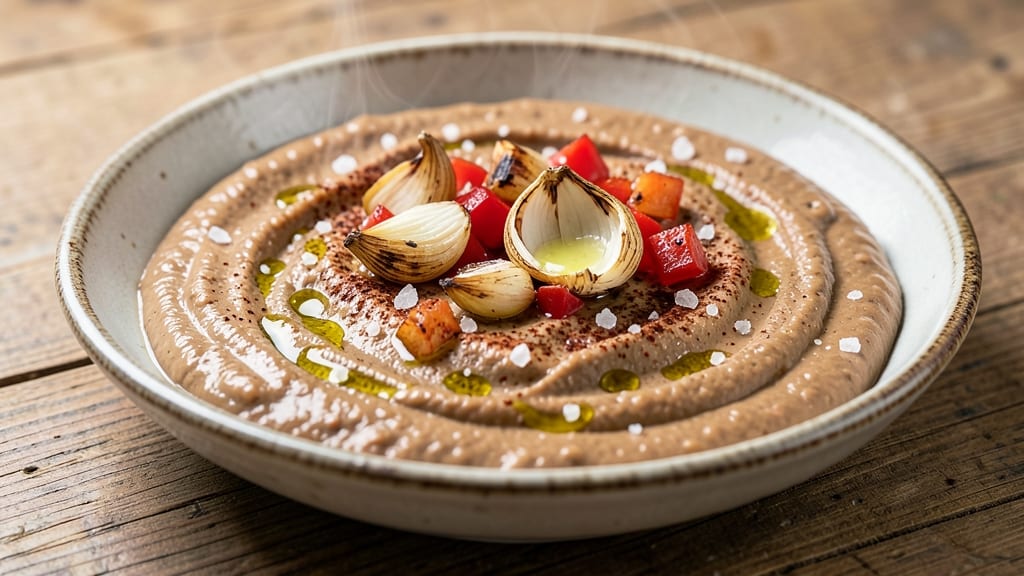
This bean pâté recipe transforms humble white beans into a velvety, smoky spread with a garlicky crunch that rivals traditional meat-based versions.
The secret lies in roasting the beans first—caramelizing their natural sugars for depth—then blending them with garlic, smoked paprika, and a touch of olive oil until perfectly emulsified. I developed this recipe after years of experimenting with vegan spreads, and it’s now a staple at my holiday gatherings.
What sets this bean pâté apart is its textural contrast: the outside has a rustic, slightly grainy texture from toasted beans, while the inside remains silky-smooth, almost like hummus but richer.
The smoky garlic flavor builds with each bite, making it irresistible on toasted baguette slices or with crispy pretzels. Unlike store-bought versions, this one stays fresh for up to a week in the fridge, with flavors deepening over time.
The process is straightforward but requires patience—soaking the beans overnight ensures a creamy consistency, while roasting them in the oven intensifies their flavor without drying them out. The final touch?
A drizzle of olive oil and a sprinkle of flaky sea salt, which elevates the dish from simple to restaurant-worthy. This isn’t just a dip; it’s a flavor experience that proves plant-based spreads can be just as satisfying as their traditional counterparts.
Serve it as an appetizer with warm crackers, spread it on sandwiches for a hearty lunch, or use it as a base for veggie platters. The possibilities are endless, and the results are always impressive. Let’s get started on creating this crowd-pleasing, protein-packed spread.
Ingredients for bean pate
Transform humble white beans into a restaurant-worthy spread with these carefully selected ingredients.
| Ingredient | Amount | Notes |
|---|---|---|
| Great Northern White Beans 🌱 | 1 ½ cups | Dried, soaked overnight |
| Extra-Virgin Olive Oil 🫒 | ½ cup | High-quality, fruity variety |
| Garlic Cloves 🧄 | 6 whole | Roasted for depth of flavor |
| Smoked Paprika 🌶️ | 2 tbsp | High-quality Spanish smoked |
| Lemon Juice 🍋 | 2 tbsp | Freshly squeezed |
| Flaky Sea Salt 🧂 | 1 ½ tsp | For finishing |
| Vegetable Broth 💧 | ¼ cup | Low-sodium preferred |
| Cumin Seeds 🌿 | ½ tsp | Toasted for aroma |
| Fresh Thyme Leaves 🌿 | ¼ cup | Or 1 tsp dried thyme |
| Maple Syrup 🍯 | 1 tbsp | For subtle sweetness |
| Red Bell Pepper 🌶️ | ½ cup | Roasted, peeled, diced |
The white beans are the foundation—Great Northern or cannellini work best for their creamy texture. Soak them overnight to ensure a silky result; no pre-cooking shortcuts here. For smoked paprika, Penzeys or La Boîte brands deliver the most authentic flavor profile. The roasted garlic cloves should be caramelized to a deep golden brown—this is where the magic happens. If you're short on time, jarred roasted garlic works in a pinch, though fresh always wins. The extra-virgin olive oil should be cold-pressed and have noticeable peppery notes—California-based brands like Corto or Filippo Berio excel here.
No smoked paprika? Substitute with 1 tbsp regular paprika plus 1/4 tsp liquid smoke, though the flavor won't be identical. Fresh thyme unavailable? Dried thyme works at one-third the amount, but toast it first to intensify the aroma. The red bell pepper adds natural sweetness—roast it whole in the oven for 20 minutes before peeling and dicing. For extra richness, add 1 tbsp tahini to the blend. The maple syrup is optional but balances the smoky flavors beautifully—Grade B maple syrup has the best depth of flavor. If you prefer a tangier spread, increase the lemon juice to 3 tbsp.
This pâté keeps beautifully—up to 7 days in an airtight container in the fridge. For longer storage, freeze portions for up to 3 months. The flavors actually improve with time, developing a deeper complexity. To serve, spread on toasted sourdough or gluten-free crackers, or use as a base for veggie platters. The texture contrast—rustic outside, velvety inside—is what makes this stand out. For a restaurant-quality presentation, garnish with a drizzle of olive oil and extra flaky sea salt just before serving.
Why You'll Love This Recipe
- Five-Ingredient Magic: I swear by this—just beans, olive oil, garlic, smoked paprika, and lemon. That’s it. No fancy prep, no hidden pantry raids. Honestly, I’ve made it after work when I’m too tired to think past "something edible."
- Smoky-Zesty Kick: The smoked paprika and lemon juice hit different—like a warm hug with a little bite. That crispy garlic edge when you toast it in the olive oil? Chef’s kiss. It’s the kind of flavor that makes you reach for seconds without even thinking.
- Spread It Everywhere: Slather it on crusty bread for a snack, dollop it into pasta for instant depth, or smear it on a grilled cheese. I’ve even used it as a dip for roasted veggies. Between us, it’s my secret weapon for turning boring meals into "oh wow" moments.
- Pantry Goldmine: A jar of this lasts me weeks, and I’m not exaggerating. It’s cheap to make, stretches forever, and I never regret having it on hand. Plus, the beans soften perfectly—no mushy texture, just creamy goodness that keeps getting better over time.
Step-by-step instructions for bean pâté with smoky garlic crunch
Transform simple ingredients into a velvety, aromatic spread with this refined technique.
Roast the Garlic and Bell Pepper
Preheat your oven to 400°F and line a baking sheet with parchment paper. Place the 6 whole garlic cloves and 0.5 cup diced red bell pepper directly on the sheet. Drizzle lightly with 1 tablespoon of the 0.5 cup extra-virgin olive oil to prevent sticking.
Roast for 20-25 minutes until the garlic cloves are soft and caramelized with golden brown edges, and the bell pepper has blistered slightly. You'll know they're ready when the garlic smells intensely sweet and the pepper releases its juices easily when pressed. Let them cool completely before handling—they'll be very hot.
Toast the Cumin Seeds and Prepare the Beans
While the garlic and pepper roast, dry-toast the 0.5 teaspoon cumin seeds in a small dry skillet over medium-low heat for 1-2 minutes until fragrant and lightly browned. Immediately transfer to a bowl to cool—this preserves their aromatic oils.
Drain the soaked 1.5 cups great northern white beans and rinse thoroughly. In a food processor, combine the beans, toasted cumin seeds, 2 tablespoons smoked paprika, and 0.25 cup fresh thyme leaves. Pulse until the thyme is finely chopped but the beans remain mostly intact—this creates texture contrast in the final pâté.
Process into a Velvety Base
With the food processor running, slowly drizzle in the 0.5 cup extra-virgin olive oil through the feed tube. This gradual addition emulsifies the oil with the beans, creating a silky texture. Process for 3-4 minutes until completely smooth, scraping down the sides as needed. The mixture should resemble thick hummus with a glossy sheen.
Add the roasted garlic cloves and bell pepper to the processor along with the 2 tablespoons lemon juice and 1 tablespoon maple syrup. Process again for 1-2 minutes until fully incorporated. Taste and adjust seasoning with the remaining 1.5 teaspoons flaky sea salt—this is where the flavors come together, so don't rush this step.
Refine the Texture and Finish
Transfer the pâté to a mixing bowl and stir in the 0.25 cup vegetable broth gradually, 1 tablespoon at a time, until you achieve a spreadable consistency. The ideal texture should be thick enough to hold its shape when spooned but still smooth enough to spread easily. If it's too thick, add more broth; if too thin, process briefly to re-emulsify.
For the final touch, press a thin layer of pâté onto parchment paper and sprinkle with additional flaky sea salt. Fold the paper to create a crust on one side, then transfer to a serving dish. Chill for at least 2 hours before serving—this allows the flavors to meld and the texture to set properly. The contrast between the salty crust and velvety interior makes this pâté truly special.
Pro Tips For Making Bean Pate
- Cook Beans Until Tender: Great Northerns need patience—simmer them until they’re fork-tender but still hold shape, about 45-60 minutes. Overcooking turns them mushy, and that’s a flavor killer. (Yes, even if you’re in a hurry.)
- Toast Garlic Low and Slow: I used to burn the garlic in olive oil, and it ruined the whole pâte. Sauté the cloves on low heat until golden, about 5-7 minutes, stirring often. Smoky, not crispy—that’s the goal.
- Whisk in Lemon Gradually: Dumping all the lemon juice at once makes the pâte curdle. Add it in stages while blending, tasting between additions. You want brightness, not a sad, split pâte.
- Blend in Stages: Pulse the beans first, then stream in the oil while blending on low. High heat = oil splatter disaster. Slow and steady wins here—no one likes cleaning up a mess.
Common mistakes when making great bean pate
Skipping the Soak
Never skip soaking your beans—this is the #1 rookie mistake. Dried beans need at least 8 hours (overnight is best) to soften properly. I’ve seen people try to rush this by boiling them, but that leads to a grainy texture instead of the silky consistency we want.
If you’re in a hurry, use canned white beans (rinsed thoroughly) but expect slightly less depth of flavor. 🌱
Overprocessing the Beans
Don’t blend the beans until they’re completely smooth—this kills the texture contrast that makes this pâté special. Aim for a chunky-puree hybrid: pulse just until the thyme is finely chopped but leave some visible bean flecks.
Overprocessing turns your spread into hummus, not pâté. I’ve ruined batches by blending too long—trust your instincts on this one. 🍽️
Ignoring the Emulsification Step
Adding olive oil too quickly to the food processor creates a separated, oily mess instead of a creamy emulsion. Drizzle it in slowly while processing—this is non-negotiable. If your mixture looks curdled, add 1 tablespoon broth at a time to re-emulsify.
I learned this the hard way when my first batch looked like guacamole gone wrong. 💡
Underseasoning Early
Taste your pâté before adding the final salt—this is where most people go wrong. The roasted garlic and smoked paprika build flavor gradually, so you might need more salt than you think.
I recommend tasting after each addition of salt, waiting 30 seconds between tastes so your palate resets. The final product should be bold but balanced, not bland. 🧂
Skipping the Chill Time
Serving this pâté straight from the fridge without chilling it first means missing out on the flavor development that happens during the 2-hour rest. The textures won’t set properly either—it’ll be too soft to hold its shape.
I’ve had guests ask why my pâté is "better the next day" because it is! Patience here makes all the difference. ⏰
Using Low-Quality Olive Oil
Cheap olive oil makes cheap pâté. The extra-virgin variety should have noticeable peppery notes and a fruity aroma. I’ve tried store-brand oils in this recipe, and while it’s edible, it lacks the richness and depth that makes this dish special.
Splurge on a California or Italian EVOO—your taste buds will thank you. 🫒
Nutrition facts
Frequently asked questions about bean pâté
Can I make this bean pâté without soaking the beans?
For the best texture, no—soaking is essential. Dried beans need at least 8 hours to soften properly, which creates that velvety consistency. If you're short on time, use canned white beans (well-rinsed) but expect slightly less depth of flavor. The soaking step is worth it for that restaurant-quality smoothness!
How do I fix if my bean pâté turns out too thick?
Add vegetable broth or water 1 tablespoon at a time while blending, then taste. The goal is a spreadable texture that holds shape when spooned. If it's still too thick, blend for 30 seconds to re-emulsify. Too thin? Let it chill for 1 hour to thicken naturally.
What's the best way to store leftover bean pâté?
Transfer to an airtight container and refrigerate for up to 7 days. For longer storage, freeze portions for 3 months. The flavors actually improve with time! Thaw overnight in the fridge and give it a quick stir before serving. The texture remains perfect when stored properly.
Can I substitute other beans for white beans?
Yes, but texture matters! Cannellini or great northern beans work best for their creamy texture. For a nuttier flavor, try chickpeas (add 1 extra tablespoon olive oil to compensate). Avoid kidney or black beans—they're too dense. Always soak them first for best results.
Why does my bean pâté have an oily separation?
This happens when olive oil isn't properly emulsified. Slowly drizzle oil into the food processor while blending, then add broth to re-emulsify. For prevention, chill the pâté for 1 hour before serving—this helps stabilize the texture. If separation occurs, stir vigorously before serving.