
Soups & Stews
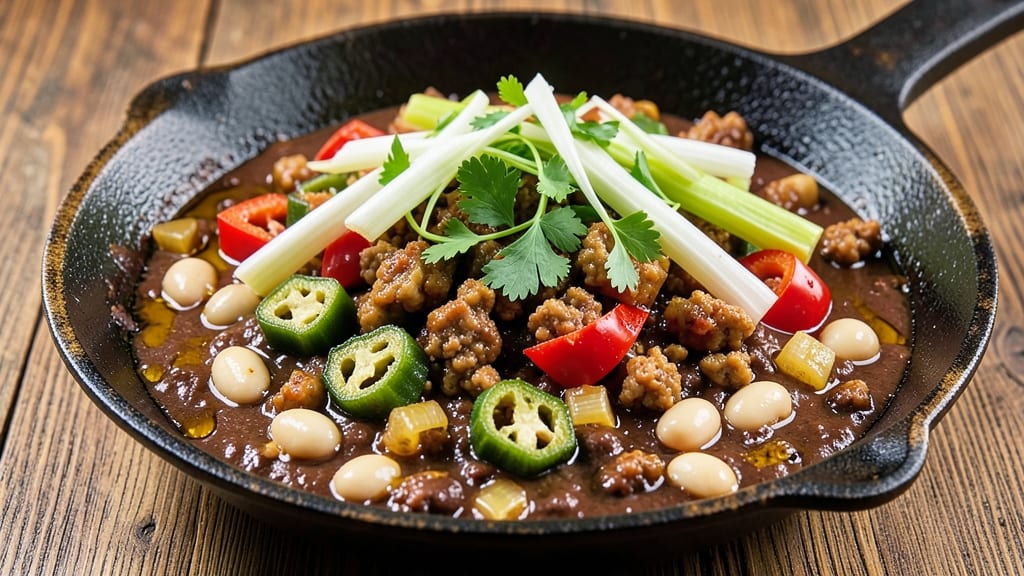
This bean gumbo recipe brings Louisiana Creole tradition to your kitchen with deep-roasted spices and a rich, okra-thickened broth that transforms simple beans into hearty protein.
The secret lies in slow-cooked flavors—caramelized onions, bell peppers, and celery form the holy trinity, while filé powder adds that signature gumbo texture without okra. I developed this vegetarian version to honor the dish's roots while making it accessible for modern plant-based diets.
The process starts with a dark roux, where fat and flour cook until deep brown, forming the flavor foundation. Black beans, kidney beans, or pinto beans absorb the smoky, spiced broth as it simmers, creating a dish that's both comforting and deeply satisfying.
Unlike traditional gumbo, this version relies on beans for protein while keeping the soul of Louisiana cooking intact—bold, aromatic, and full of history.
By the time you serve this gumbo over steamed rice, you'll have a steaming bowl of flavor that balances earthy beans, tender vegetables, and a velvety broth infused with cayenne and thyme.
The slow cooking ensures every ingredient melds perfectly, delivering restaurant-quality depth in your own kitchen. This isn't just a vegetarian gumbo—it's a celebration of tradition with a modern twist.
Perfect for weeknight dinners or gathering with friends, this recipe scales easily and tastes even better the next day. The leftovers keep their rich, layered flavors, making it ideal for meal prep or potlucks.
Whether you're a gumbo purist or new to Creole cooking, this dish delivers on both authenticity and adaptability.
Ingredients for bean gumbo
The heart of Creole cooking starts with these 17 ingredients—simple yet transformative.
| Ingredient | Amount | Notes |
|---|---|---|
| Vegetable Oil 🫒 | ½ cup | For dark roux (avocado oil preferred) |
| All-Purpose Flour 🌾 | 1 cup | White or whole wheat for roux |
| Yellow Onions 🧅 | 2 whole | Diced, medium size preferred |
| Red Bell Peppers 🍅 | 2 whole | Diced, any color bell pepper |
| Celery Stalks 🧄 | 3 whole | Diced, including leaves |
| Garlic Cloves 🧄 | 4 cloves | Minced for depth of flavor |
| Black Beans 🌱 | 1 ½ cups | Dried, soaked overnight |
| Kidney Beans 🌱 | 1 ½ cups | Dried, soaked overnight |
| Vegetable Broth 💧 | 6 cups | Low-sodium preferred |
| Okra 🌿 | 1 cup | Fresh, sliced into rounds |
| Filé Powder 🌶️ | 2 tbsp | Sifted, for signature gumbo texture |
| Smoked Paprika 🌶️ | 1 tbsp | For deep, smoky flavor |
| Ground Cayenne Pepper 🔥 | 1 tsp | Adjust for heat preference |
| Dried Thyme 🌿 | 1 tsp | Or 1 tbsp fresh thyme |
| Sea Salt 🧂 | 1 ½ tsp | Diamond Crystal preferred |
| Black Pepper 🌶️ | ½ tsp | Freshly ground for finish |
| Fresh Parsley 🌿 | ¼ cup | Chopped, for garnish |
The roux is non-negotiable here. Avocado oil stands up to the high heat better than vegetable oil, but use what you have—just keep it moving. The holy trinity (onions, bell peppers, celery) should be diced uniformly for even cooking. Trader Joe's sells pre-diced veggie mixes if you're short on time, though fresh is always better. For the beans, dried gives the best texture, but canned drained and rinsed works in a pinch—just add them later. Filé powder is the secret weapon; grab it at World Market or any specialty spice shop if your local store doesn't carry it.
No okra? Cornstarch slurry (1 tbsp cornstarch + 2 tbsp cold water) thickens beautifully instead. Short on smoked paprika? Regular paprika plus a pinch of liquid smoke mimics the flavor. The cayenne can be adjusted—start with half if you're sensitive to heat. For the thyme, fresh is ideal but dried works at one-third the amount. The vegetable broth is where flavor builds—Homemade or high-quality store-bought makes a world of difference. If you're using canned beans, rinse them thoroughly to cut down on sodium.
This gumbo tastes even better the next day as flavors meld. Store in an airtight container in the fridge for up to 5 days, or freeze for 3 months. The roux can be made ahead and refrigerated for up to 3 days—just reheat gently before adding to the pot. For meal prep, portion into containers with rice so lunches are ready to grab. The filé powder should be added last—it thickens dramatically when wet, so stir it in just before serving.
Why You'll Love This Recipe
- One-Pot Magic: I swear by this recipe—just oil, flour, and the holy trinity of onions, bell peppers, and celery (no fancy prep needed). Toss them in, let the roux build, and boom: a rich, thick base with zero extra pans.
- Deep Roux Love: That golden-brown roux? It’s the secret weapon. The flour and oil caramelize into something nutty and complex, turning simple beans into a velvety, hearty stew that tastes like it simmered all day—even if it didn’t.
- Crowd-Pleaser Flex: Serve it over rice for a weeknight staple, or let it cool for potlucks—it reheats like a dream. Honestly, I’ve taken it to BBQs, game days, and even my mom’s dinner table, and no one’s ever questioned why it’s on the menu.
- Budget-Friendly Staple: Beans stretch forever, and the veggies? They’re pantry basics. I’ve made this for under $5 per serving, and the leftovers? They’re my go-to for lazy lunches or emergency dinners when the fridge is bare. (Yes, even on a Tuesday night.)
Step-by-step instructions for bean gumbo with deep-roasted spices
This gumbo builds flavor through patience—dark roux, slow-cooked beans, and okra's signature texture.
Create a Dark Roux for Rich Foundation
Heat the 0.5 cup vegetable oil in a heavy pot over medium-low heat. Gradually whisk in the 1 cup all-purpose flour to form a smooth paste. Cook uncovered, stirring constantly with a wooden spoon, for 30-45 minutes until the roux reaches a deep chocolate-brown color—this is your flavor base.
Here's the thing: don't rush this step. A dark roux develops complex, nutty flavors that carry through the entire gumbo. If it starts to smoke excessively, reduce heat immediately. You're aiming for a color like dark cocoa powder, not burnt toast. This roux will thicken your gumbo and create that signature Louisiana texture.
Sauté the Holy Trinity for Aromatic Depth
Add the diced 2 yellow onions, 2 red bell peppers, and 3 celery stalks (including leaves) to the roux. Cook over medium heat for 10-12 minutes, stirring frequently, until the vegetables soften and the mixture becomes fragrant. Add the 4 minced garlic cloves and cook for another 1 minute until aromatic.
This vegetable combination—onions, peppers, and celery—is called the "holy trinity" in Creole cooking for good reason. It forms the aromatic backbone of gumbo. You'll know it's ready when the vegetables have lost their raw edge and the mixture smells like a warm spice market. Don't let the vegetables brown too much—they'll cook further in the broth.
Build the Bean and Okra Base
Add the soaked 1.5 cups black beans and 1.5 cups kidney beans along with 6 cups vegetable broth, 1 cup sliced okra, 1 tbsp smoked paprika, 1 tsp ground cayenne pepper, 1 tsp dried thyme, 1.5 tsp sea salt, and 0.5 tsp black pepper to the pot. Bring to a gentle boil, then reduce heat to low and simmer uncovered for 1 hour, stirring occasionally.
The beans and okra need time to soften and develop flavor. The okra will release its natural thickening properties, creating that signature gumbo texture without needing additional thickeners. Here's where the magic happens—the spices infuse into the broth while the beans become tender. If the gumbo reduces too much, add a splash of water to maintain the consistency.
Finish with Filé Powder for Signature Texture
After simmering, remove the pot from heat and let the gumbo cool slightly for 5 minutes. Sift in the 2 tbsp filé powder while stirring gently. Return to low heat and cook for 3-5 minutes until the gumbo thickens slightly—this is what gives gumbo its characteristic velvety texture.
Filé powder is the secret weapon of gumbo. It's made from ground sassafras leaves and creates that signature gumbo texture. The key is to add it off the heat initially to prevent clumping, then cook it gently to activate its thickening properties. Don't skip this step—it's what transforms your gumbo from good to authentic. The gumbo should coat the back of a spoon but still be spoonable.
Rest and Serve with Fresh Garnish
Remove the gumbo from heat and let it rest for 10 minutes to allow flavors to meld. Taste and adjust seasoning with additional sea salt or black pepper if needed. Ladle into bowls and garnish with 0.25 cup chopped fresh parsley just before serving.
This resting period is crucial—it lets the gumbo settle and the flavors develop fully. The parsley adds a bright, fresh contrast to the rich, spiced gumbo. Serve with crusty bread to soak up every last drop of that flavorful broth. The gumbo will continue to thicken slightly as it sits, so don't be surprised if it becomes even more velvety after resting.
Pro Tips For Making Bean Gumbo
- COOK THE ROUX LOW AND SLOW: I learned this the hard way—rushing the roux for bean gumbo turns it into a burnt, bitter mess. Once you add the flour to the oil, drop the heat to medium-low and stir constantly with a wooden spoon. It’ll take 20-30 minutes to reach that deep chocolate-brown color (not black, not burnt—chocolate). Skip the impatience, or you’ll regret it.
- SWEEAT THE TRIO LONGER THAN YOU THINK: Yellow onions, red bell peppers, and celery should soften until they’re practically falling apart—about 10 minutes of sweating in the pot. The longer they cook, the deeper the flavor, and they’ll blend seamlessly into the gumbo instead of sitting as separate chunks. (Yes, even if you’re eager to add the beans.)
- DON’T SKIP THE BEAN SOAK: Dried beans need a good 4-6 hour soak (or overnight) before cooking, especially for gumbo. I used to skip this and ended up with tough, undercooked beans that ruined the texture. Drain and rinse them well after soaking—this cuts cooking time and keeps the gumbo creamy, not grainy.
- USE A LITTLE WATER, THEN SIMMER: After adding the beans, start with just enough water to cover them by an inch, then let the gumbo simmer uncovered for 45-60 minutes. The liquid will reduce naturally, thickening the stew without needing extra flour or broth. (Trust me, your gumbo will taste richer if you resist the urge to add more liquid early.)
Common mistakes when making this dish
Roux Burning Risks
A dark roux is the soul of gumbo, but it's also where most mistakes happen. Many people rush this step and end up with a burnt, bitter mess instead of the rich, nutty foundation you need.
I've seen home cooks walk away from the stove too often, only to return to a pot full of smoke and burnt flour. The key is patience—stir constantly over medium-low heat and keep the roux moving. If it starts smoking excessively, immediately reduce the heat.
A properly cooked roux should smell like toasted nuts, not burnt toast. 🔥
Skipping the Soak
If you're using dried beans, never skip the soaking step. I've made this mistake myself—adding unsoaked beans straight to the pot leads to tough, unevenly cooked beans that ruin the gumbo's texture.
Soak your beans overnight in plenty of water (at least 8 cups per cup of beans) for best results.
If you're in a hurry, use the quick-soak method: cover beans with water, bring to a boil for 2 minutes, then let them sit off the heat for 1 hour. This ensures your beans will cook evenly and stay tender throughout the long simmer.
Overcooking the Holy Trinity
The holy trinity—onions, bell peppers, and celery—should be cooked until soft but not browned. I see people let these vegetables caramelize too much, which can make the gumbo taste bitter. Cook them over medium heat for just 10-12 minutes until they're tender and fragrant.
The goal is to build flavor, not color. If they start to brown too much, reduce the heat slightly. You'll know they're ready when the vegetables have lost their raw edge and the mixture smells like a warm spice market.
Adding Filé Powder Too Early
Filé powder is what gives gumbo its signature texture, but adding it too early can turn your perfectly good gumbo into a thick, gluey mess. Many people add it right at the beginning or even during the simmering phase.
The key is to add it last—after the gumbo has simmered for 1 hour and you've removed it from heat. Sift it in gently, then return the gumbo to low heat just long enough to activate its thickening properties (3-5 minutes max).
This step is non-negotiable for authentic gumbo texture.
Ignoring the Resting Period
After all that cooking, it's tempting to serve gumbo immediately. But skipping the 10-minute rest means you'll miss out on the flavor development that happens when the gumbo sits. I've learned this the hard way—serving gumbo right after cooking can leave it watery and unevenly seasoned.
Let it rest covered while you finish other dishes. The flavors will meld, the texture will thicken slightly, and you'll end up with a more cohesive, restaurant-quality gumbo. This is where the magic happens, so don't rush it. ✨
Underestimating the Heat
Cayenne pepper is what gives gumbo its signature kick, but many people either underseason or overdo it. I recommend starting with 1 tsp ground cayenne and adjusting to taste. If you're sensitive to heat, you can always add more later, but you can't take it out.
Taste as you go and adjust gradually. The heat should complement the other flavors, not overpower them. Remember, gumbo is meant to be spicy but balanced—think of it as a warm hug with a little kick, not a mouth-on-fire challenge. 🌶️
Nutrition facts
Frequently asked questions
Can I make this bean gumbo without okra?
If you don't have okra, create a cornstarch slurry (1 tbsp cornstarch + 2 tbsp cold water) and stir it into the gumbo during the last 10 minutes of simmering. This will give you that same velvety texture without changing the flavor profile. The key is to add it gradually to avoid over-thickening.
What's the best way to store leftover bean gumbo?
Transfer your gumbo to an airtight container and refrigerate for up to 5 days. For longer storage, freeze it for 3 months—just thaw overnight in the fridge before reheating. The flavors actually improve with time, making it perfect for meal prep! Pro tip: Store with rice to keep portions ready-to-eat.
How do I adjust the heat level for picky eaters?
Start with ½ tsp cayenne pepper instead of the full 1 tsp and taste as you go. For extra mildness, omit the cayenne entirely and add ½ tsp smoked paprika for depth without heat. You can always add more later, but you can't remove it once it's in!
Can I use canned beans instead of dried?
Yes! Use 3 cups total canned beans (black, kidney, or pinto) and rinse them thoroughly to reduce sodium. Add them during the last 30 minutes of simmering so they don't get mushy. Dried beans create a creamier texture, but canned beans work perfectly in a pinch.
What's the secret to making the roux taste better?
Use avocado oil instead of vegetable oil—it has a higher smoke point and adds subtle nutty flavors. Never let it burn! Stir constantly over medium-low heat for 30-45 minutes until it reaches a deep chocolate-brown color. This is your flavor foundation, so take your time.