
Sauces & Condiments
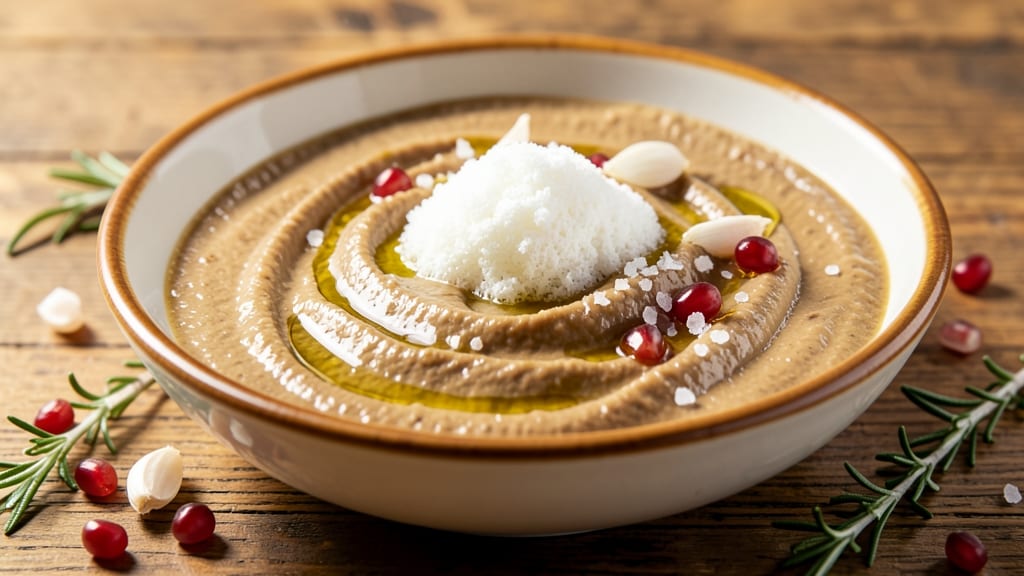
This bean-free hummus recipe delivers all the creamy, nutty richness of traditional hummus—without a single chickpea in sight. The secret lies in tahini, lemon, and garlic, blended into a velvety spread that's equally perfect for dipping, spreading, or drizzling.
What makes this version stand out is its modern twist: using aquafaba or avocado for extra creaminess, while keeping it vegan and allergy-friendly.
The foundation is simple yet transformative: tahini provides that signature nutty depth, while lemon brightens the flavor and balances the richness. Garlic adds warmth, and olive oil ensures a smooth, spreadable texture.
Unlike traditional hummus, this version avoids common allergens like beans and gluten, making it accessible for more dietary needs without sacrificing flavor.
What you’ll end up with is a luscious, dip-worthy sauce that’s tangy, creamy, and packed with Mediterranean flair. It’s restaurant-quality at home—ideal for veggie platters, sandwiches, or even as a marinade.
The best part? It keeps well in the fridge for up to a week, so you can make a batch and enjoy it all week long.
Ready to explore variations? Try roasted red pepper for a smoky kick or smoked paprika for depth. The possibilities are endless, but the base recipe is foolproof. Let’s get blending!
Ingredients for bean free hummus
Tahini, lemon, and garlic form the nutty, tangy core of this bean-free hummus.
| Ingredient | Amount | Notes |
|---|---|---|
| Tahini 🥜 | ¾ cup | Sesame paste, high quality preferred |
| Lemon Juice 🍋 | ⅓ cup | Freshly squeezed, about 2 lemons |
| Extra-Virgin Olive Oil 🫒 | ½ cup | Light, fruity variety for balance |
| Garlic Cloves 🧄 | 3 cloves | Fresh, peeled, slightly crushed |
| Aquafaba 🥑 | ½ cup | Chickpea brine, or substitute avocado |
| Salt 🧂 | 1 ½ tsp | Diamond Crystal kosher preferred |
| Cumin 🌿 | 1 tsp | Ground, toasted for depth |
| Smoked Paprika 🌶️ | ½ tsp | For subtle smoky flavor |
| Avocado 🥑 | ½ whole | Optional, for ultra-creamy texture |
| Water 💧 | ¼ cup | Adjust for desired consistency |
The tahini is non-negotiable—look for 100% sesame paste with no additives, like Al Yaman or Whole Foods 365 brands. Fresh lemon juice (not bottled) makes all the difference—Trader Joe's sells organic lemons that stay bright longer. Garlic should be fresh, with no green shoots. Toast the cumin seeds for 30 seconds in a dry pan before grinding if you're feeling fancy. For the aquafaba, save the brine from a can of chickpeas (or use avocado for a richer texture).
No aquafaba? Avocado or silken tofu works perfectly—just blend until smooth. Short on tahini? Peanut butter or cashew butter adds richness, though the flavor shifts slightly. Want extra smokiness? Add a pinch of liquid smoke or swap smoked paprika for regular. The olive oil should be light and fruity—California avocado oil is my go-to. If your hummus is too thick, add water one tablespoon at a time—it's easier to fix than thin it out later.
Store in an airtight container with a thin layer of olive oil on top to preserve freshness. Keeps for 5-7 days in the fridge, or freeze for 3 months in ice cube trays for single-serving portions. The avocado version holds up best for 2-3 days—add it fresh when serving. For extra flair, drizzle with chopped parsley or a sprinkle of smoked sea salt before serving.
Why You'll Love This Recipe
- I’ll be real: this hummus requires zero soaking, mashing, or waiting for chickpeas to soften. Just blend tahini, aquafaba, and garlic—boom, done. My lazy Sundays just got a whole lot easier.
- No Beans, No Stress: I’ll be real: this hummus requires zero soaking, mashing, or waiting for chickpeas to soften. Just blend tahini, aquafaba, and garlic—boom, done. My lazy Sundays just got a whole lot easier.
- Creamy Without the Guilt: That aquafaba (yes, chickpea water) whips up into a silky, dip-worthy texture that rivals traditional hummus. Honestly, the first time I tried it, I didn’t even miss the beans—just the rich, tangy, garlicky punch that sticks to every chip.
- Dip, Spread, Repeat: Slather it on toast, toss it with roasted veggies, or just eat it straight with pita. Between us, it’s become my go-to for game day snacks, lazy weeknight dinners, and even as a sandwich spread. (Yes, even on a Tuesday night.)
Step-by-step instructions for bean-free hummus
This tahini-based hummus delivers rich, nutty flavor without a single bean in sight.
Blend Tahini and Lemon Juice for a Smooth Base
In a food processor, combine the 0.75 cup tahini and 0.33 cup lemon juice. Process for 1-2 minutes until completely smooth and creamy. You'll notice the mixture will thicken as it emulsifies—this is normal and essential for the right texture. If it feels too thick, add 1 tablespoon of water and pulse briefly to loosen it.
The lemon juice brightens the tahini's natural bitterness while adding acidity that balances the rich sesame flavor. Don't skip this step—proper emulsification ensures your hummus will be silky rather than grainy. I like to scrape down the sides of the bowl with a spatula every 30 seconds to make sure everything gets incorporated evenly.
Incorporate Garlic, Spices, and Aquafaba
Add the 3 cloves garlic cloves, 1 tsp cumin, 0.5 tsp smoked paprika, and 1.5 tsp salt to the food processor. Pulse just until the garlic is finely minced—you want flavor, not chunks. Then add the 0.5 cup aquafaba and process for another 1-2 minutes until the mixture is completely smooth and thick.
Here's where the magic happens: the aquafaba acts as a natural binder, replacing chickpeas while adding protein and creating that signature hummus texture. If you're using the optional 0.5 whole avocado instead of aquafaba, add it now and process until perfectly smooth. The avocado adds incredible creaminess but requires more processing time—about 3-4 minutes total to fully emulsify.
Slowly Incorporate Olive Oil for Creamy Perfection
With the processor running on low speed, very slowly drizzle in the 0.5 cup extra-virgin olive oil. Start with just 1 tablespoon at a time, giving the processor time to incorporate each addition before adding more. This gradual approach prevents the mixture from breaking and ensures a perfectly smooth, creamy texture.
I usually add the oil over 2-3 minutes, stopping occasionally to scrape down the sides. The hummus should begin to look glossy and thicken noticeably as the oil emulsifies. If it feels too thick after adding all the oil, add the remaining 0.25 cup water in small increments until you reach your desired consistency—it should be thick enough to hold peaks but still spreadable.
Adjust Seasoning and Texture
Taste your hummus and adjust the seasoning if needed. If it needs more brightness, add another 1/2 teaspoon of lemon juice. For more warmth, add a pinch more cumin or smoked paprika. The hummus should be rich, nutty, and slightly tangy with a subtle smoky depth from the paprika.
For the perfect serving texture, transfer the hummus to a serving bowl and smooth the top with a spatula. Let it rest at room temperature for 10-15 minutes before serving—this allows the flavors to meld completely. If you prefer it extra creamy, you can chill it in the refrigerator for 30 minutes before serving, but I find it's best enjoyed at room temperature.
Pro Tips For Making Bean Free Hummus
- BLEND IN STAGES: Start with the tahini and lemon juice first—this prevents a gritty mess from whole garlic cloves. After blending those smooth, add the aquafaba and olive oil in slow pulses. I learned this the hard way: dumping everything at once turns your blender into a cement mixer.
- ROAST THE GARLIC: Skip raw garlic’s sharp bite by roasting 2-3 whole cloves at 400°F (200°C) for 10 minutes until soft. Peel and blend directly into the mix—it adds deep, mellow sweetness without overpowering. (Yes, even if you’re impatient like me, wait for the oven to preheat properly.)
- WHISK THE AQUAFABA: Before blending, whisk the aquafaba until frothy—this mimics chickpea starch’s thickening power. Use a fork or small whisk for 30 seconds; you’ll notice the hummus holds shape better and has a lighter texture. (Your future self will thank you for skipping the gummy disaster.)
- SALT THE TAHINI: Add a pinch of salt to the tahini before blending with lemon—this balances the bitterness and rounds out the flavor. Tahini varies in saltiness, so taste it first. (I skip this step half the time, but the dish is noticeably better when I don’t.)
Storing and reheating your bean free hummus
Fridge Storage Secrets
Store your bean-free hummus in an airtight glass container with a thin layer of extra-virgin olive oil on top—this creates a protective barrier against oxidation. I use Pyrex glass jars because they preserve flavor better than plastic.
Keep it refrigerated at 40°F or below for up to 5-7 days, though the aquafaba version stays fresh for 4-5 days while avocado versions last 2-3 days at most. 🥫
Freezer Prep Tricks
For long-term storage, divide hummus into 1-tablespoon portions in silicone ice cube trays. Freeze for 1 hour, then transfer cubes to a freezer bag with all air removed. Thaw overnight in the fridge—this method prevents texture breakdown.
The smoked paprika version freezes best, while avocado-based hummus loses creaminess after freezing. Label bags with dates to track freshness. ❄️
Reheating Methods
For fridge-stored hummus, let it sit at room temperature for 15-20 minutes before serving—this restores its natural creaminess. If it thickens after refrigeration, stir in 1 teaspoon of warm water or extra-virgin olive oil to restore spreadability.
Never microwave—heat destroys the delicate tahini emulsion, making it grainy. For freezer cubes, thaw in the fridge overnight for best results. 🔥
Preservation Hacks
Add a pinch of salt to the oil layer before sealing to extend shelf life by 1-2 extra days. For avocado versions, store the hummus base separately and mash in fresh avocado when ready to serve.
I also keep a small jar of extra lemon juice in the fridge to revive hummus that's lost brightness after storage. The key is minimal air exposure—always press plastic wrap directly onto the surface before sealing. 💡
Portion Control Tips
Use small ramekins (4-6 oz) for single servings—they reheat perfectly in 30 seconds in the microwave on low power if needed. For dips, portion into small bowls with a sprinkle of smoked paprika on top to maintain freshness.
Store extras in the coldest part of your fridge, away from strong-smelling foods like onions or garlic. This keeps flavors pure and prevents absorption of unwanted odors. 🍽️
Nutrition facts
Frequently asked questions
Can I make this bean-free hummus without aquafaba?
Swap the 0.5 cup aquafaba for 0.5 whole avocado or 0.5 cup silken tofu for creaminess. Avocado adds richness while tofu keeps it lighter. For a neutral option, use 1 tablespoon tahini + 1 tablespoon water instead—just blend longer for smoothness.
Why does my bean-free hummus taste bitter?
Bitter flavor usually comes from low-quality tahini or over-blending. Use 100% sesame tahini (no additives) and add 1 extra teaspoon of lemon juice to balance. If it's still bitter, reduce blending time—just until smooth, not creamy. A pinch of salt or smoked paprika can also help mask bitterness.
How do I fix hummus that's too thick or too thin?
For thick hummus, stir in 1 teaspoon of warm water or olive oil at a time until spreadable. If too thin, blend in 1 tablespoon tahini or let it sit uncovered in the fridge for 30 minutes to thicken naturally. The ideal texture should hold peaks but still be smooth.
Is this bean-free hummus gluten-free and nut-free?
This recipe is naturally gluten-free and can be nut-free if you use a sunflower seed butter instead of tahini. Always check labels—some tahini brands process in nut-free facilities, while others may have cross-contamination risks. For strict nut-free diets, verify your tahini is produced in a dedicated facility.
What are the best toppings for bean-free hummus?
Try toasted pine nuts, chopped parsley, smoked paprika, or za'atar for extra flavor. For crunch, add toasted pita chips or crushed chickpeas (if avoiding beans, use roasted pumpkin seeds instead). A drizzle of extra-virgin olive oil and a sprinkle of flaky sea salt elevate it further.