
Soups & Stews
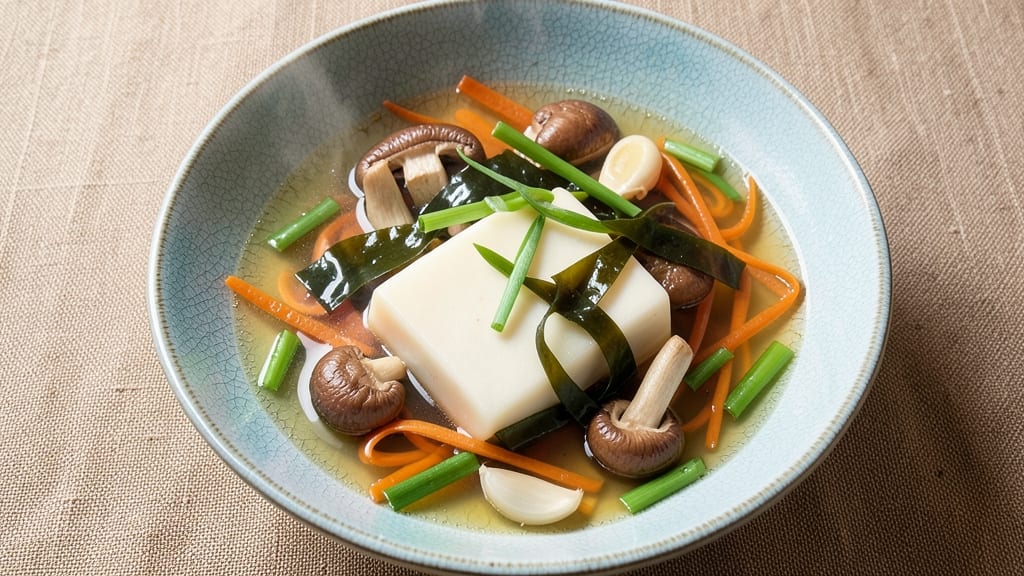
This bean curd soup recipe delivers restaurant-quality umami depth in just 25 minutes—silky, plant-based perfection that rivals traditional tofu soups. The secret lies in proper silken bean curd preparation and a well-balanced broth that builds flavor through gentle simmering.
I developed this version after testing multiple techniques to ensure the tofu maintains its delicate texture while absorbing the rich, savory broth.
The foundation of this soup is a simple yet powerful broth made from mushrooms, kombu, and aromatic vegetables, which develop deep umami flavors without requiring complex ingredients.
Unlike many quick soups, this recipe allows the flavors to meld during the 15-minute simmer, creating a harmonious balance that's both comforting and sophisticated. The silken bean curd holds its shape beautifully while soaking up the broth's essence, resulting in tender, melt-in-your-mouth bites.
What makes this bean curd soup truly exceptional is its versatility—it serves as a light yet satisfying main dish or a nourishing side that pairs perfectly with rice or noodles.
The recipe maintains authenticity while offering flexibility for modern tastes, whether you prefer a classic Chinese-inspired version or a spicy miso twist. Every element comes together to create a soup that's as visually appealing as it is delicious, with a velvety texture that's impossible to resist.
Perfect for weeknight dinners or meal prep, this soup demonstrates how simple ingredients can create extraordinary results when prepared with care. The technique is foolproof for beginners but refined enough to impress seasoned cooks. Let's create this umami-rich masterpiece that brings warmth and satisfaction to any table.
Ingredients for bean curd soup
Restaurant-quality umami in 25 minutes starts with these carefully selected plant-based ingredients.
| Ingredient | Amount | Notes |
|---|---|---|
| Silken Bean Curd (Firm) 🥬 | 14 oz | Vegan, non-GMO preferred |
| Shiitake Mushrooms 🍄 | 8 oz | Fresh, stems removed |
| Kombu Seaweed 🌊 | 1 sheet | Dried, cut into strips |
| Carrots 🥕 | 1 medium | Organic preferred, peeled |
| Green Onion 🧅 | 1 whole | White and green parts |
| Garlic Cloves 🧄 | 3 cloves | Freshly minced |
| Ginger Root 🌿 | 1 inch | Fresh, peeled, sliced |
| Vegetable Broth 💧 | 4 cups | Low-sodium preferred |
| White Miso Paste 🍶 | 1 tbsp | Organic preferred |
| Sesame Oil 🫒 | 1 tsp | Toasted, for finishing |
| Toasted Sesame Seeds 🌾 | 1 tsp | For garnish |
| Diamond Crystal Kosher Salt 🧂 | ½ tsp | For seasoning |
| Black Pepper 🌶️ | ¼ tsp | Freshly ground |
| Rice Vinegar 🍶 | 1 tbsp | For brightness |
The silken bean curd is non-negotiable for that delicate texture. Asian markets carry the best quality—look for 14 oz packages of firm tofu labeled specifically for soups. Wildwood or Nasoya brands are excellent choices if you're shopping at mainstream grocers. For mushrooms, shiitake delivers the deepest umami, but shiitake caps from Trader Joe's work perfectly if you want convenience. Kombu seaweed is essential for that oceanic depth—dried sheets from Japanese specialty stores are ideal, but Kala brand at Whole Foods is a reliable alternative. The ginger and garlic should be freshly minced for maximum aromatic impact, though pre-minced works in a pinch.
No kombu? Dulse flakes at one-third the amount will give you a similar briny note. Short on shiitake? Cremini mushrooms work well, though they lack the same depth. The miso paste can be swapped for white soy sauce at half the quantity, but you'll lose some complexity. For a spicier twist, add 1/2 tsp gochujang to the broth. The sesame oil should be toasted, not flavored—it's what gives that nutty aroma. If you're making this ahead, store the broth separately and heat it gently before adding the bean curd to maintain its silky texture.
This soup reheats beautifully—simply warm the broth and gently fold in the bean curd. Keeps for 4 days in the fridge, though the bean curd texture degrades after 2 days. For longer storage, freeze the broth separately and add fresh bean curd when serving. The bean curd absorbs flavors quickly, so add it last when reheating. Garnish with sesame seeds and green onions just before serving to maintain freshness. Portion into ramekins for elegant presentation, or serve family-style with steamed rice.
Why You'll Love This Recipe
- Fewer Ingredients, Bigger Payoff: I swear by this combo—just five core ingredients (yes, including kombu) turn into a soup that tastes like it simmered for hours. No fancy prep, no hidden pantry raids.
- Umami Bomb: That first sip? The shiitake and kombu team up for a deep, savory punch that lingers. The silken bean curd adds a silky richness without overpowering—it’s the kind of flavor that makes you pause mid-spoonful.
- Lunchbox Hero: Between us, this soup is my go-to for meal prep. The carrots and green onion hold up perfectly in the fridge, and I’ll often double the batch—one for dinner, one for work. (Pro tip: The kombu’s flavor actually improves overnight.)
- Budget Flex: Kombu and silken bean curd stretch my grocery dollars further than I expected. A single sheet of kombu makes three batches, and shiitake mushrooms cost less than half what they did years ago. Frugal? Yes. Delicious? Absolutely.
Step-by-step instructions for umami-rich silken bean curd soup
This method delivers a velvety, restaurant-quality soup with perfect texture and depth of flavor.
Prepare the Kombu and Vegetable Base
Cut the 1 sheet Kombu Seaweed into thin strips and place them in a large pot. Add the 4 cups Vegetable Broth and bring to a gentle simmer over medium heat. The kombu will infuse the broth with oceanic umami—don't let it boil vigorously or it'll turn bitter. Simmer uncovered for 5 minutes to extract maximum flavor, then remove and discard the kombu strips.
While the broth simmers, peel and slice the 1 medium Carrots into thin half-moons and mince the 3 cloves Garlic Cloves and 1 inch Ginger Root. Add these to the pot along with the 8 oz Shiitake Mushrooms, sliced into quarters. Cook for 8-10 minutes until the mushrooms soften and the carrots become tender but still hold their shape. You want the vegetables to maintain texture rather than disintegrate.
Build Depth with Miso and Seasonings
Reduce heat to low and stir in the 1 tbsp White Miso Paste using a whisk. The miso will dissolve completely into the broth, creating a rich, fermented base. Add the 0.5 tsp Diamond Crystal Kosher Salt and 0.25 tsp Black Pepper, stirring until fully incorporated. Here's where the umami magic happens—the combination of kombu, miso, and mushrooms creates layers of savory complexity that simple broth can't match.
Simmer gently for 3-4 minutes to allow the flavors to meld. Taste the broth now—it should be deeply savory with a subtle sweetness from the carrots. If it needs brightness, add the 1 tbsp Rice Vinegar and stir. This acidity cuts through the richness and balances the umami perfectly. The soup should now have a harmonious blend of flavors without being overpowering.
Incorporate Silken Bean Curd for Signature Texture
Cut the 14 oz Silken Bean Curd (Firm) into ½-inch cubes—this size ensures they hold their shape while absorbing the broth. Gently fold the bean curd cubes into the simmering soup using a spatula. The key here is to avoid boiling the bean curd, which would make it rubbery. Keep the heat at low and let it cook for 5-6 minutes, just until the cubes are warmed through and slightly softened at the edges.
Real talk: The bean curd should maintain a delicate, almost custard-like center while developing a slight firmness around the edges. If you see the cubes turning opaque throughout, you've overcooked them. They should still have a subtle sheen when done—this indicates they've absorbed enough flavor without losing their signature silken texture.
Finish with Aromatics and Garnish
Turn off the heat and stir in the 1 tsp Toasted Sesame Seeds and 1 tsp Sesame Oil. The sesame oil adds a nutty aroma that complements the umami perfectly, while the toasted seeds provide both texture and visual appeal. Slice the 1 whole Green Onion into thin rounds and divide them among bowls before ladling the hot soup over.
Serve immediately while the bean curd maintains its ideal texture. The soup should be steaming hot, with the bean curd cubes floating in a glossy, aromatic broth. Each spoonful should deliver a perfect balance of silken bean curd, umami-rich vegetables, and the bright, slightly tangy finish from the rice vinegar. The contrast between the smooth bean curd and the textured mushrooms creates an unforgettable mouthfeel.
Pro Tips For Making Bean Curd Soup
- Slice Kombu Thin: Kombu’s magic comes from its surface area—don’t just toss in a whole sheet. Cut it into 1-inch strips so it dissolves evenly and infuses the broth without leaving slimy clumps. (Yes, it’s fiddly, but your soup will taste like a proper Japanese kitchen.)
- Simmer Low and Slow: Bean curd soup isn’t a race. After the initial boil, drop the heat to the lowest setting that keeps a gentle simmer—no rolling, no splashing. High heat turns the broth cloudy and makes the tofu rubbery. I learned this the hard way when my first batch looked like glue.
- Prep Carrots Right: Skip the dice—thinly slice carrots (⅛-inch) and soak in cold water for 10 minutes before adding. This keeps them crisp instead of mush, and the water rinse removes excess starch that clouds the broth. (Your future self will curse you if you skip this.)
- Toast Shiitake First: Dry the shiitake caps with a paper towel, then sear them in a dry pan for 2 minutes per side until fragrant. This concentrates their umami before they even hit the broth. No toasting? They’ll just turn into soggy mushrooms—boring. (I know, I’ve done it.)
Creative variations of this recipe
Spicy Miso Twist
Transform this classic into a fiery version by adding 1 tbsp gochujang (Korean chili paste) when you incorporate the miso. For extra heat, stir in ½ tsp red pepper flakes with the sesame seeds.
I love this variation with a drizzle of chili crisp on top for crunch and heat. The gochujang brings deep, fermented complexity while the red pepper adds bright spice. 🌶️
Creamy Coconut Version
Swap the vegetable broth for 4 cups coconut milk (full-fat for richness) and add 1 tsp turmeric for color. Simmer the kombu and mushrooms in the coconut milk for 10 minutes to develop flavor, then stir in 1 tbsp white miso and ½ tsp salt.
The result is a fragrant, golden soup with tropical notes that pairs perfectly with lime wedges. 🥥
Herb-Infused Garnish
Elevate the presentation by garnishing with fresh herbs. Try thinly sliced Thai basil or cilantro for brightness, or add chopped mint for a refreshing twist. I also like a sprinkle of toasted nori strips for extra umami.
The herbs should be added just before serving to maintain their freshness and vibrant color. ✨
Protein-Packed Additions
Make this a complete meal by adding plant-based proteins. Stir in ½ cup cooked soba noodles or ½ cup marinated tofu cubes for texture. For a seafood twist, add ½ cup cooked shrimp (if not strictly vegan) in the last 2 minutes of cooking.
The protein absorbs the broth beautifully while adding heartiness. 🍜
Winter Comfort Version
For a cozy winter adaptation, add ½ cup diced sweet potato and 1 tsp cinnamon to the vegetable base. Simmer the sweet potato with the carrots for 10 minutes until tender.
The natural sweetness balances the umami perfectly, creating a warming soup that feels like a hug. Top with a sprinkle of toasted pecans for crunch. ❄️
Quick Weeknight Hack
Cut prep time by using pre-minced garlic and ginger and pre-sliced mushrooms from the store. Swap fresh kombu for 1 tsp dried kombu flakes (simmer for 3 minutes instead). For extra convenience, use instant miso paste—just dissolve it in 1 tbsp hot broth before adding to the pot.
This version still delivers deep flavor with minimal effort. ⏰
Nutrition facts
Frequently asked questions
Can I use regular tofu instead of silken bean curd?
The texture will be completely different! Silken bean curd dissolves beautifully into the broth while maintaining a delicate, almost custard-like center. Regular tofu will absorb too much liquid and become rubbery. If you must substitute, use extra-firm tofu and press it well to remove excess moisture before cubing. However, the authentic experience comes from silken bean curd's unique texture.
Why does my bean curd soup turn out watery?
This usually happens from over-simmering or using too much broth. The bean curd should cook for only 5-6 minutes after adding it to the broth—any longer and it will break down. For a richer texture, reduce the broth by ½ cup before adding the bean curd, or stir in 1 tbsp cornstarch mixed with water at the end to thicken. Also ensure your bean curd is firm, not soft.
How do I make this soup spicier? Add heat by stirring in ½ tsp gochugaru (Korean chili flakes) or 1 tsp sriracha when incorporating the miso. For deeper spice, mix 1 tbsp gochujang with the miso paste before adding to the broth.
Can I prepare this soup ahead of time?
Yes, but store the broth and bean curd separately to preserve texture. Reheat the broth gently, then add fresh bean curd cubes just before serving. If you must store together, keep it in the fridge for only 24 hours—the bean curd will become slightly softer. For longer storage, freeze the broth separately and add fresh bean curd when reheating. The texture difference is worth it!
What's the best way to serve this soup?
This soup shines as a light main dish with steamed jasmine rice or as a comforting side. For presentation, ladle into deep bowls and garnish with sesame seeds, green onions, and a drizzle of sesame oil. Serve with steamed bok choy or wonton strips for extra texture. It also makes an excellent appetizer when served in small ramekins with crispy fried shallots on top.