
Side Dishes
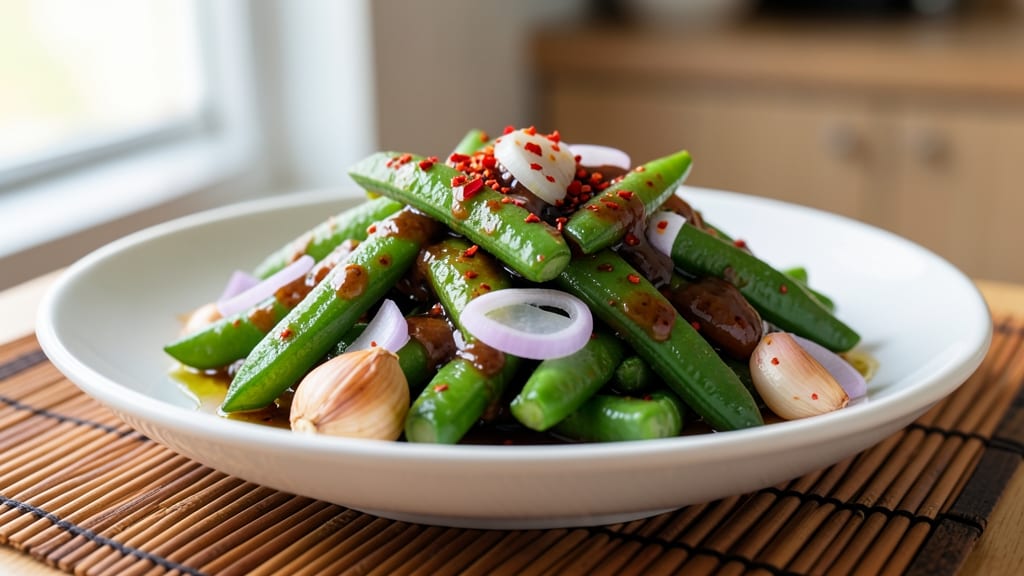
This Asian frozen green bean recipe transforms a pantry staple into a restaurant-worthy side with just five ingredients and 10 minutes of active time. The secret lies in high-heat stir-frying—searing the beans until they're crisp-tender with a caramelized edge, then brightening them with garlic, soy, and a touch of chili. I developed this after realizing frozen green beans could be just as flavorful as their fresh counterparts, provided you cook them properly.
The magic happens in the wok or cast-iron skillet, where the beans develop that coveted crunch while absorbing the aromatic garlic and savory soy sauce.
A splash of rice vinegar at the end cuts through the richness, creating balance that makes this side dish shine alongside grilled proteins or steamed rice. What sets this apart is how it elevates a simple vegetable into something that feels special—no fancy prep required.
By the time you're done, you'll have green beans that are vibrant, crisp-tender, and coated in a glossy garlic-soy glaze with just the right amount of heat. The aroma alone will have everyone at the table asking what's for dinner.
This recipe delivers restaurant-quality results without the fuss, proving that frozen vegetables can be just as impressive as their fresh counterparts when handled right.
Serve immediately over steamed jasmine rice or alongside grilled chicken for a complete meal. The beans stay crisp even when reheated, making this an excellent make-ahead option for busy weeknights. Let's get cooking—they're ready in 15 minutes total.
Ingredients for asian frozen green bean
Five ingredients transform frozen green beans into restaurant-quality stir-fry magic.
| Ingredient | Amount | Notes |
|---|---|---|
| Frozen Green Beans 🥦 | 12 oz | Thawed if frozen, trimmed |
| Extra-Virgin Olive Oil 🫒 | 2 tbsp | High smoke point preferred |
| Garlic Cloves 🧄 | 4 cloves | Minced into fine paste |
| Low-Sodium Soy Sauce 🍶 | 2 tbsp | Kikkoman or similar |
| Rice Vinegar 🍶 | 1 tbsp | Unseasoned preferred |
| Red Chili Flakes 🌶️ | ½ tsp | Adjust for heat preference |
| Sesame Oil 🫒 | ½ tsp | Toasted sesame oil only |
| Toasted Sesame Seeds 🌾 | 1 tsp | For garnish |
| Diamond Crystal Kosher Salt 🧂 | ¼ tsp | Fine grain preferred |
| Steamed Jasmine Rice 🍚 | 2 cups | For serving |
The frozen green beans are the unsung hero here—look for premium brands like Green Giant or Birds Eye in the freezer section. These hold their texture better than generic store brands. Thawing them in a colander under warm water for 3-4 minutes ensures even cooking, but you can also cook them straight from frozen if you're in a rush. The key is to pat them completely dry before stir-frying, which prevents steaming and ensures that signature crisp-tender texture. For extra flavor, I often add a splash of fish sauce (about 1 tsp) if serving with meat, but it's optional for vegetarian versions.
No minced garlic on hand? Garlic powder at half the amount works in a pinch, though fresh is ideal for that aromatic depth. Substituting the soy sauce for coconut aminos gives a slightly sweeter profile, while tamari is a gluten-free alternative. The rice vinegar can be swapped for white vinegar or apple cider vinegar, though rice vinegar's mild sweetness is preferred. For heat, Sichuan peppercorns or gochugaru add different but exciting dimensions. And if sesame oil isn't available, a pinch of toasted cumin seeds can mimic some of its nutty aroma.
This dish is designed to be made ahead—beans reheat beautifully in a skillet over medium heat for 2-3 minutes, with a splash of water to revive their crispness. Store leftovers in an airtight container in the fridge for up to 4 days, or freeze for 3 months by portioning into single servings. The jasmine rice? Cook it in advance and keep it warm in a rice cooker—steaming rice reheats perfectly and pairs beautifully with the stir-fried beans. For presentation, toss the cooked beans with the sesame seeds right before serving to keep them from getting soggy.
Why You'll Love This Recipe
- No-Fuss Pantry Staples: I swear by this recipe because it uses what I already have—no special shopping needed. Frozen green beans? Already in my freezer. Garlic and olive oil? Always open. The soy and rice vinegar just sit in my cabinet waiting for this exact moment. Honestly, it’s the kind of dish that makes me feel like I’m cooking fancy without any effort.
- Umami-Packed in Minutes: That crisp-tender green bean texture with the garlic sizzling in olive oil? Pure satisfaction. The low-sodium soy sauce adds this deep, savory punch while the rice vinegar brightens it up—like a little flavor hug. Between us, it’s the kind of taste that makes me want to eat it straight from the pan.
- Weeknight Meal Prep Hero: I double the batch every Sunday because it reheats like a dream. Toss it over rice, mix it into fried eggs, or serve it cold in lettuce wraps—this stuff works for lunch, dinner, or even a quick snack. My college-aged kid brings it to campus all the time, and he’s not exactly a foodie.
- Budget-Friendly Side Dish: For under $3, I feed four people a side that feels restaurant-worthy. Frozen green beans are cheaper than fresh, and the other ingredients are pantry basics. Plus, leftovers keep for days without getting soggy. I’ll be real: this is my go-to when I’m trying to stretch a grocery budget but still want flavor.
Step-by-step instructions for stir-fried Asian green beans
A perfect balance of crunch, umami, and subtle heat—this method delivers restaurant-quality texture every time.
Prepare the Green Beans for Optimal Texture
Thaw the 12 oz frozen green beans if needed, then trim off any woody ends using a sharp chef's knife. I cut them into 2-inch pieces—this length ensures they stay crisp during stir-frying while cooking evenly. Pat them completely dry with paper towels to remove excess moisture, which prevents steaming instead of searing.
Spread the trimmed green beans on a clean kitchen towel and let them air-dry for 5 minutes while you prepare the remaining ingredients. This extra step creates a better sear and prevents a soggy texture. The beans should feel completely dry to the touch before cooking—if they still feel damp, pat them again with a clean towel.
Build the Garlic-Oil Base for Deep Flavor
Heat a large skillet or wok over medium-high heat until it's properly preheated—you should see a slight shimmer when you sprinkle a few drops of water. Add the 2 tbsp extra-virgin olive oil and let it heat for 30 seconds until it's shimmering but not smoking. The oil should be hot enough to sizzle when the garlic hits it.
Add the 4 cloves minced garlic cloves and stir constantly for 30-45 seconds until they become golden brown and fragrant. Be careful not to let them burn—garlic turns bitter quickly. Once the garlic is perfectly browned, immediately add the 0.25 tsp diamond crystal kosher salt and stir for another 10 seconds to distribute it evenly. This aromatic base forms the flavor foundation for the entire dish.
Stir-Fry the Green Beans to Perfect Crisp-Tender Texture
Working quickly, add the prepared green beans to the skillet in a single layer. Stir-fry for 4-5 minutes over medium-high heat, using tongs to toss them continuously. You're aiming for bright green beans with slightly blistered edges—they should still have a satisfying crunch but be tender enough to pierce easily with a fork.
After 3 minutes, add the 2 tbsp low-sodium soy sauce and 1 tbsp rice vinegar, stirring to coat the beans evenly. The soy sauce adds umami depth while the vinegar brightens the flavor. Continue cooking for another 1-2 minutes until the beans are bright green with crisp edges and the sauce has slightly reduced but still clings to the beans. If the pan starts smoking or the beans look undercooked, reduce the heat slightly.
Finish with Aromatics and Garnish
Remove the skillet from heat and immediately add the 0.5 tsp red chili flakes and 0.5 tsp sesame oil, tossing gently to distribute. The chili flakes add subtle heat while the sesame oil brings nutty depth. Return the pan to low heat for 30 seconds to let the flavors meld—this prevents the sesame oil from becoming harsh.
Transfer the green beans to a serving platter and immediately sprinkle with 1 tsp toasted sesame seeds. Serve over the 2 cups steamed jasmine rice while still hot. The contrast of warm rice with the bright, crisp green beans creates the perfect balance. For best results, serve immediately while the beans maintain their crunch and the aromatics are at their peak.
Pro Tips For Making Asian Frozen Green Bean
- THAW BEANS FIRST: I learned this the hard way—tossing frozen green beans straight into the pan makes them steam instead of sear. Dump them into a colander and run cold water over them for 30 seconds to break up the ice crystals. They’ll cook faster and get that crisp-tender texture you want.
- MINCE GARLIC FINELY: After burning three batches, I finally figured out that "minced" garlic isn’t enough here. Use a knife to chop it into a paste—almost like a wet sand consistency—so it blends smoothly into the oil. No visible specks, no bitter aftertaste.
- SALT THE BEANS MID-COOK: The soy sauce already adds salt, but these beans need extra punch. Toss them with a pinch of flaky sea salt after they’ve hit the pan but before they’re fully cooked. It seasons the surface better than sprinkling it at the end.
- USE A SPLATTER GUARD: This isn’t the prettiest method, but it’s the tastiest—and saves your cabinets. When you add the garlic to the hot oil, cover the pan with a lid (or even a plate) for 10 seconds to render the garlic without spraying oil everywhere. Then remove the lid and finish cooking.
Troubleshooting your asian frozen green bean
Beans Staying Mushy
Overcooking is the #1 culprit for mushy beans. I see this happen when people stir-fry at medium heat instead of medium-high—the beans steam instead of sear. Always use a wok or cast-iron skillet and keep the heat high.
Another fix: don't overcrowd the pan. Cook in batches if needed, but 2-inch pieces should fit comfortably in a single layer. The goal is crisp-tender, not soft—test with a fork after 4 minutes. 🌟
Garlic Burns Quickly
Fresh garlic burns in 30-45 seconds—watch it like a hawk! I've ruined many batches by walking away. Keep your skillet preheated to medium-high heat and stir constantly with a spatula.
If you see smoke, immediately reduce heat to medium and add the beans. For extra insurance, mince the garlic just before cooking—pre-minced garlic releases moisture and burns faster. 🔥
Sauce Won't Stick
The soy sauce and vinegar need time to cling to the beans. If they're sliding around the pan, your heat is too high. After adding the sauce, reduce heat to medium and let it simmer gently for 1-2 minutes.
Another trick: toss the beans with 1 tsp cornstarch before stir-frying—this creates a natural glue for the sauce. For extra adhesion, add ½ tsp xanthan gum to the soy sauce mixture. 💡
Uneven Cooking
Frozen green beans often cook unevenly because of their size. I solve this by cutting all pieces to exactly 2 inches—no longer, no shorter. If you're cooking from frozen, thaw them first in a colander under warm water for 3-4 minutes.
For stubbornly uneven batches, separate the beans by size and cook the smaller pieces first. Always use medium-high heat to ensure even browning. ✨
Lacking Flavor Depth
If your beans taste flat, it's usually from skipping the garlic browning step. The Maillard reaction in garlic creates hundreds of flavor compounds—don't rush this! For extra umami, add 1 tsp fish sauce with the soy sauce.
Another pro move: toast the sesame seeds in a dry pan for 30 seconds before sprinkling—they'll add nutty aroma. For heat, crush 1 dried chili pepper instead of using flakes. 🌶️
Sesame Oil Too Strong
Toasted sesame oil has a bold flavor that can overpower delicate green beans. Use only 0.5 tsp and add it at the very end. For a milder option, replace with ½ tsp neutral oil and sprinkle ½ tsp ground sesame seeds instead.
If you love sesame flavor but want subtlety, heat the oil separately for 10 seconds before adding to the beans—this mellows its intensity. 💛
Nutrition facts
Frequently asked questions
Can I use fresh green beans instead of frozen?
Fresh green beans work beautifully, but you'll need to adjust the prep time. Trim the ends and cut into 2-inch pieces just like frozen beans. The key difference is fresh beans contain more moisture—pat them extra dry and cook for 30-60 seconds less (about 3-4 minutes total) to maintain crispness. Fresh beans also benefit from a quick blanch in boiling water for 1 minute before stir-frying to soften slightly.
How do I make this vegetarian?
This recipe is already vegetarian-friendly, but you can boost umami by adding 1 tsp nutritional yeast or ½ tsp white miso paste with the soy sauce. For extra protein, stir in ½ cup edamame or ½ cup tofu cubes during the last 2 minutes of cooking. The sesame oil and garlic already provide rich flavors without animal products.
Can I make this spicier?
For extra heat, increase the red chili flakes to 1 tsp or add ½ tsp gochujang (Korean chili paste) with the soy sauce. For smoky heat, substitute ½ tsp smoked paprika for half the chili flakes. If you love fresh chili, finely chop 1 Thai chili and add it with the garlic—remove it before serving if you prefer less heat.
What's the best way to reheat these?
Reheat in a dry skillet over medium heat for 2-3 minutes, stirring constantly. Add 1 tsp water to the pan to help revive crispness. For microwave reheating, place beans on a paper towel with ½ tsp water, cover loosely, and heat for 30-45 seconds. The sesame seeds should be sprinkled fresh after reheating to maintain texture.
Can I substitute other Asian vegetables?
Yes! For a similar texture, try bok choy (cut into wedges) or Chinese broccoli (trimmed and cut into 2-inch pieces). For a different flavor profile, substitute shredded cabbage or thinly sliced napa cabbage—these hold up well to stir-frying but may need 1-2 minutes less cooking time. Always cook until crisp-tender, not soft.