
Soups & Stews
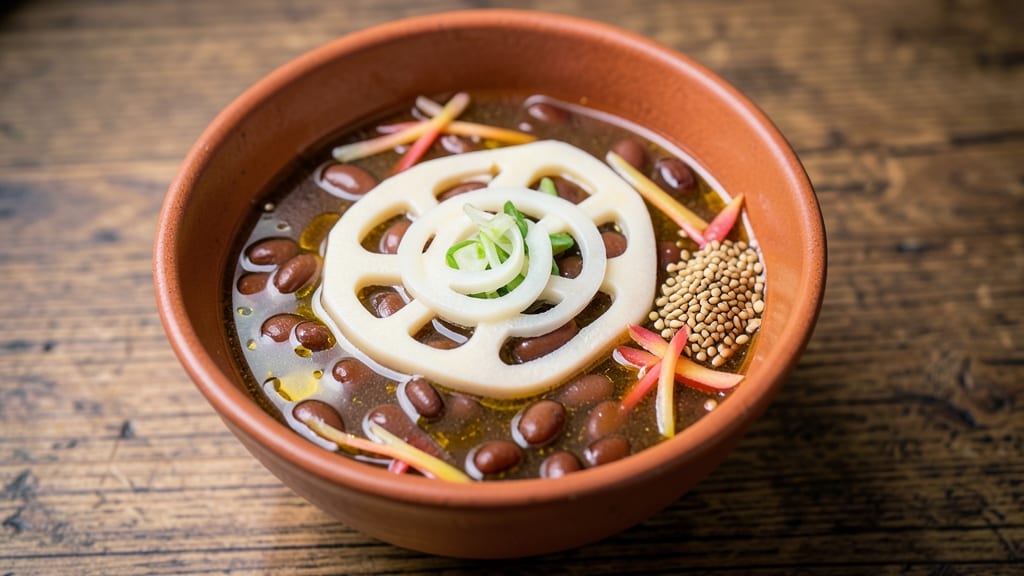
This adzuki bean soup delivers a velvety, umami-rich simmer that balances earthy beans with aromatic broth—perfect for cozy nights or meal prep. 💛 The secret lies in slow cooking the beans until tender while building depth with miso, ginger, and sesame oil.
Unlike quick soups, this recipe transforms simple ingredients into a restaurant-quality bowl with just 45 minutes of hands-on time and 30 minutes of simmering.
Traditionally used in Japanese ankake and Korean kongnamul guk, adzuki beans bring natural sweetness and a silky texture that pairs beautifully with savory broths. What sets this apart is the miso-ginger base, which adds umami without overpowering the beans' natural flavor.
The optional tofu and green onions elevate it into a complete, protein-packed meal—ideal for vegetarians or anyone craving comfort food.
By the time you're done, you'll have a silky-smooth soup with tender beans, fragrant broth, and a touch of nuttiness from toasted sesame. The aroma alone will transform your kitchen into a warm, inviting space.
Serve with steamed rice or crusty bread to soak up every last drop of that rich, velvety broth.
This recipe scales effortlessly for crowds or leftovers—perfect for weeknight dinners or weekend meal prep. The beauty of adzuki bean soup lies in its versatility: keep it classic or spice it up with chili flakes, coconut milk, or a splash of soy sauce.
Here’s how to make it perfectly every time.
Ingredients for adzuki bean soup
These earthy, umami-rich ingredients transform simple adzuki beans into a velvety soup with restaurant-quality depth.
| Ingredient | Amount | Notes |
|---|---|---|
| Adzuki Beans 🌱 | 1 ½ cups | Dried, soaked overnight |
| White Miso Paste 🍶 | 2 tbsp | High-quality, fermented |
| Fresh Ginger 🌿 | 1 tbsp | Grated, aromatic |
| Sesame Oil 🫒 | 1 tbsp | Toasted, for nuttiness |
| Vegetable Broth 💧 | 4 cups | Low-sodium, homemade preferred |
| Silken Tofu 🍲 | 8 oz | Soft, cubed for texture |
| Green Onions 🧅 | ¼ cup | Sliced, for garnish |
| Sesame Seeds 🌰 | 1 tsp | Toasted, for crunch |
| Garlic Cloves 🧄 | 3 cloves | Minced, aromatic |
| Rice Vinegar 🍶 | 1 tsp | Balances richness |
| Sea Salt 🧂 | 1 tsp | Adjusts seasoning |
| White Pepper 🌶️ | ½ tsp | Freshly ground |
| Steamed White Rice 🍚 | 2 cups | For serving, optional |
Adzuki beans are the heart of this soup—look for high-quality dried beans at specialty stores like Whole Foods or Asian markets for the best texture. Soaking overnight ensures tender, silky beans without splitting. White miso paste from Hessian or Marukome brands delivers authentic umami depth, while fresh ginger should be vibrant and aromatic. Sesame oil adds nuttiness, but avoid the cheap, flavorless kind—look for toasted varieties in the international aisle. Vegetable broth is non-negotiable for depth; homemade or low-sodium brands like Pacific Foods work best. Silken tofu provides protein without overpowering the beans' natural sweetness.
No white miso? Substitute with 1 tbsp soy sauce plus 1 tsp sugar for umami, though texture will differ. Fresh ginger too pungent? Use 0.5 tbsp ground ginger, but toast it first for better flavor. Short on sesame oil? Swap for 1 tsp toasted sesame seeds stirred in at the end. Vegetarian broth unavailable? Use water with 1 tsp soy sauce and 1 tsp miso as a quick fix. Green onions can be omitted entirely if you prefer a cleaner presentation. The optional rice vinegar balances the soup's richness—skip if you dislike tang, but it's worth the subtle contrast. For extra richness, add 1 tbsp coconut milk at the end, though traditionalists may prefer to keep it classic.
This soup tastes even better the next day as flavors meld—store in airtight containers for up to 5 days. For freezing, portion into glass containers (plastic absorbs odors) and thaw overnight in the fridge. Reheat gently on low heat, stirring occasionally. The beans will thicken slightly upon reheating, so add 1-2 tbsp broth if too dense. Garnish with toasted sesame seeds and green onions just before serving to preserve freshness. Double the batch for meal prep—it reheats beautifully and makes an excellent lunch the next day.
Why You'll Love This Recipe
- Same recipe, endless uses: serve it steaming in bowls for dinner or pack it in jars for office lunches. Even my picky teen asks for seconds at book club meetings.
- No-Chop Needed: I swear by this—just toss in whole ginger slices and adzuki beans, no dicing required. The broth does all the work while you sip your coffee.
- Umami Bomb: That white miso paste? It’s the secret weapon—creamy, salty, and rich without overpowering. A single spoonful transforms simple broth into something deeply satisfying.
- Weeknight to Potluck: Same recipe, endless uses: serve it steaming in bowls for dinner or pack it in jars for office lunches. Even my picky teen asks for seconds at book club meetings.
Step-by-step instructions for adzuki bean soup
This method delivers a velvety, umami-rich soup with perfectly tender beans and silky tofu.
🍳 Step 1: Sauté Aromatics Until Fragrant
Heat the 1 tablespoon sesame oil in a large pot over medium heat. Add the 3 minced garlic cloves and 1 tablespoon grated fresh ginger, stirring constantly for 30 seconds until the garlic becomes translucent and fragrant. This quick cook prevents bitterness while building flavor.
Next, add the 1.5 cups soaked adzuki beans (drained) and stir to coat them in the aromatic oil. This step ensures every bean absorbs the foundational flavors before simmering. I like to press down gently with a wooden spoon—this prevents the beans from sticking together and promotes even cooking throughout.
🥘 Step 2: Build Depth with Miso and Broth
Reduce heat to medium-low and stir in the 2 tablespoons white miso paste and 1 teaspoon sea salt. Cook for 1 minute until the miso dissolves completely into the oil, creating a thick, glossy paste. This is where the umami magic happens—don't rush this step or you'll end up with miso clumps.
Pour in the 4 cups vegetable broth and bring to a gentle simmer. The soup should bubble softly at the edges but not boil vigorously. Skim off any foam that rises to the surface during the first 5 minutes—this ensures a clean, silky texture. The beans will begin to soften as they absorb the flavorful broth.
🔥 Step 3: Simmer Until Beans Are Tender
Continue simmering uncovered for 45-50 minutes, stirring occasionally, until the adzuki beans are fork-tender but not mushy. You'll know they're ready when a knife slides in easily and the beans hold their shape when pressed between your fingers. The soup should have reduced slightly, concentrating the flavors.
Here's the thing—if the soup reduces too much, add ¼ cup water to maintain the proper consistency. The beans should be just tender enough to melt in your mouth while still retaining their shape. This balance creates that signature silky texture that makes this soup so special.
👨🍳 Step 4: Finish with Tofu and Seasoning
Gently add the 8 ounces cubed silken tofu to the pot. Simmer for an additional 5 minutes to warm through completely. The tofu should absorb the soup's flavors without falling apart—its delicate texture contrasts beautifully with the hearty beans.
Stir in the 1 teaspoon rice vinegar and ½ teaspoon white pepper. Taste and adjust seasoning—you might need a pinch more salt or vinegar to balance the rich miso flavors. Remove from heat and let sit for 5 minutes to allow the flavors to meld completely.
🍽️ Step 5: Serve with Garnishes
Ladle the soup into bowls and garnish with ¼ cup sliced green onions and 1 teaspoon toasted sesame seeds. The green onions add a fresh contrast to the deep umami flavors, while the sesame seeds provide a satisfying crunch. Serve immediately with 2 cups steamed white rice on the side if desired.
Each spoonful should deliver a perfect balance of creamy beans, silky tofu, and complex miso depth. The rice vinegar brightens the richness, and the sesame seeds add a subtle nuttiness that ties everything together. This soup tastes even better the next day as the flavors continue to develop.
Pro Tips For Making Adzuki Bean Soup
- SOAK BEANS OVERNIGHT: I learned this the hard way—skipping the soak leaves your adzuki beans tough as a boot. Toss them in cold water for at least 8 hours (or quick-soak: boil 2 minutes, then rest 1 hour). The longer they soak, the creamier your soup will be, no matter how impatient you are.
- STIR MISO LAST: White miso is delicate—add it to the simmering broth just before turning off the heat, or you’ll end up with a soup that tastes like glue. Mix it into the hot broth, then stir in the sesame oil and ginger right after. This keeps the umami bright and the flavors balanced, not muddy.
- SIMMER GENTLY AFTER BOIL: Once your beans hit a rolling boil, drop the heat to a barely simmer—think tiny bubbles, not a frenzy. I used to rush this, and the beans would split or turn mealy. A low simmer (around 180°F) keeps them intact and lets the broth absorb their sweetness properly.
- GINGER JUICE, NOT SLICES: Sounds weird, but it works: grate the ginger, then squeeze out the juice through a fine-mesh strainer. This removes the fibrous bits that make your soup gritty. Use about 1 tablespoon of juice per recipe—it’s more potent than you’d think, and it keeps the soup smooth without overpowering the miso.
Common mistakes when making this recipe
Over-Soaking Beans
Adzuki beans absorb water like sponges, and while soaking overnight is essential, leaving them too long—more than 12 hours—can cause them to split or develop a mealy texture.
I’ve ruined batches by forgetting them in the fridge for 16 hours, and the beans turned mushy no matter how long I simmered them. Drain and rinse them immediately after soaking to prevent excess moisture from carrying over into your soup. 🌱
Skipping the Miso Bloom
The 1-minute miso bloom is where the magic happens, but many cooks rush this step. If you don’t cook the miso paste long enough, it’ll clump and create a gritty texture instead of dissolving into a silky paste.
Stir constantly over low heat—this ensures the miso’s umami fully integrates. I once skipped this step and ended up with tiny miso granules floating in my soup. Trust me, patience here makes all the difference. 🍶
Boiling the Broth
A rolling boil will toughen the beans and break down their delicate texture, turning them into a mushy paste. Keep the broth at a gentle simmer—small bubbles at the edges, but not a vigorous boil.
I’ve seen home cooks crank the heat too high, and the beans turned to mush in half the time. If you notice the broth bubbling too vigorously, reduce the heat immediately. The goal is a silky, velvety texture, not a thick stew. 🥘
Ignoring the Skimming Step
Those first 5 minutes of simmering produce foam from the beans’ natural starches. Skimming this off prevents a cloudy, starchy broth that can make the soup taste flat. I’ve made this mistake and ended up with a soup that lacked depth—like drinking water with beans.
Use a fine-mesh skimmer or a ladle to remove the foam gently. Your broth will stay clear and flavorful. ❄️
Adding Tofu Too Early
Silken tofu is delicate and will disintegrate if added too soon. Wait until the beans are fully tender before adding the tofu—this ensures it absorbs the soup’s flavors without falling apart.
I once added it at the start, and by the end, it turned into a sad, watery pulp. Add it 5 minutes before serving to keep it intact and creamy. 🍲
Overlooking the Resting Time
Letting the soup rest for 5 minutes off the heat allows the flavors to meld and the tofu to set slightly. Skipping this step means each bite will taste like a different component—some miso-heavy, some ginger-forward.
I’ve served it immediately, and while it’s edible, it lacks that harmonious depth. Give it a moment to come together before serving. ✨
Nutrition facts
Frequently asked questions
Why do I need to soak adzuki beans overnight?
Soaking for 8-12 hours dramatically reduces cooking time and ensures silky, tender beans instead of tough, mushy ones. The beans absorb water and soften, allowing them to cook evenly in just 45 minutes of simmering. Skipping soaking means longer cooking times and risk of splitting.
Can I use canned adzuki beans instead of dried?
Yes, but with adjustments! Use 1 (15 oz) can drained beans and simmer for only 15-20 minutes—they're already pre-cooked. For best texture, add them during the final 5 minutes of simmering to prevent mushiness. The flavor will be slightly less developed than dried beans.
How can I make this soup spicier?
Add ½ teaspoon red pepper flakes when sautéing aromatics or stir in 1 teaspoon gochujang with the miso. For heat lovers, top with sliced jalapeños or a drizzle of sriracha. Balance with extra rice vinegar if needed to prevent bitterness from the chili.
What's the best way to store leftovers?
Transfer to airtight containers and refrigerate for up to 5 days. For freezing, portion into glass containers and store for 3 months. Reheat gently on low heat, adding 2 tbsp broth if the soup thickens. The beans will soften further but remain delicious.
Can I make this soup without tofu?
Omit the tofu and add ½ cup chopped mushrooms or 1 cup baby spinach during the final 5 minutes of cooking. For extra protein, stir in ½ cup cooked quinoa or serve with a side of edamame. The soup will still be hearty and satisfying.